
Sustainable Fashion
30 articles
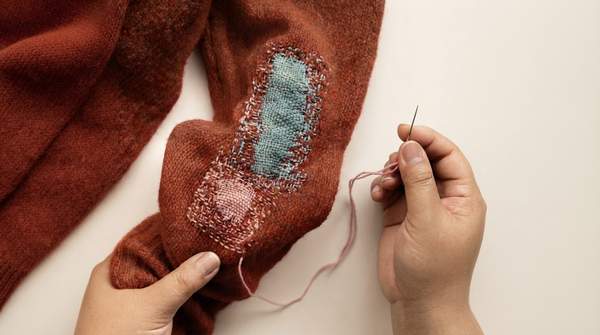
How to Practice Slow Fashion: A Four-Part Framework for Every Purchase You Make
Slow fashion is a mindset focused on mindful consumption, quality, material sourcing, and ethical production, applied through a four-part framework for every purchase. It also involves extending the life of your existing wardrobe through care and repair.

Circular Textile Design: Three Principles, and the Design Choices That Make Them Real
Circular textile design integrates principles of the circular economy to create garments for longevity, repair, reuse, and efficient recycling. Design choices made early in the process are crucial for minimizing environmental impact and enabling material circulation.
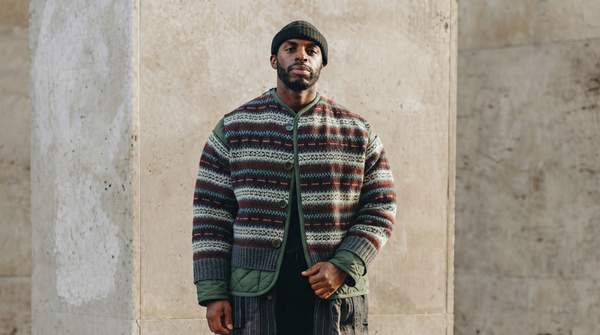
Five Enduring Winter 2026/2027 Trends Worth Your Wardrobe Space
Explore enduring Winter 2026/2027 fashion trends such as the ladylike blazer, understated ankle boots, and meaningful layering. This guide helps you select versatile, long-lasting pieces and verify sustainable sourcing to build a conscious wardrobe.
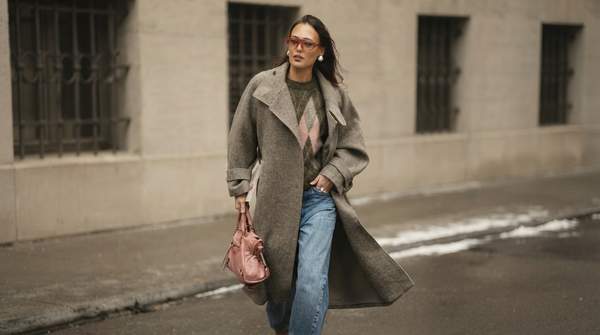
Four Autumn/Winter 2026 Trends Worth Buying Into — and How to Judge Which Deserve Your Money
This season's Autumn/Winter 2026 trends make selective shopping unusually easy, highlighting four genuinely wearable directions. Learn how to judge which pieces deserve your money using a decision matrix focused on styling versatility, sustainable sourcing, and long-term relevance.
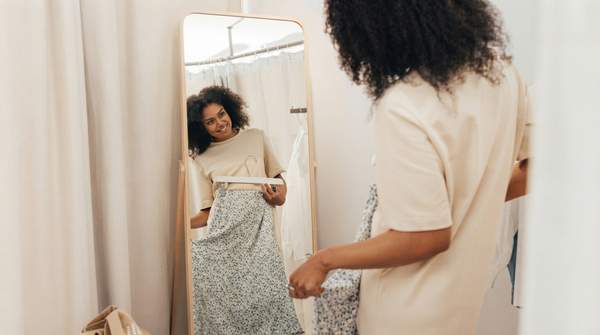
Before You Buy: A Simple Test for Micro-Trends Versus Personal Style
The article guides readers to differentiate between fleeting micro-trends and enduring personal style to make more sustainable and authentic wardrobe choices. It offers a simple decision framework to evaluate purchases, helping to build a wardrobe of cherished, identity-reflecting items.
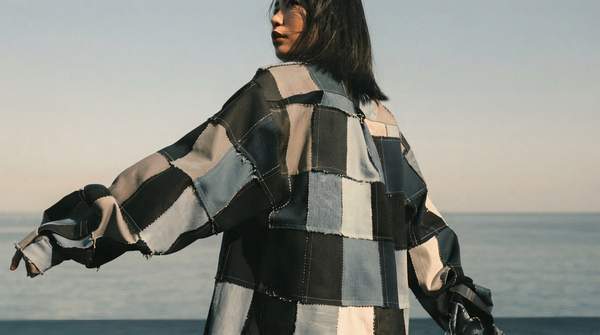
How to Decide Whether a Garment Deserves a Place in Your Wardrobe: A Slow Fashion Checklist
Slow fashion prioritizes quality, versatility, and ethical production over fleeting trends. This article offers a structured checklist to evaluate potential purchases, ensuring garments earn their place in your wardrobe for years to come.
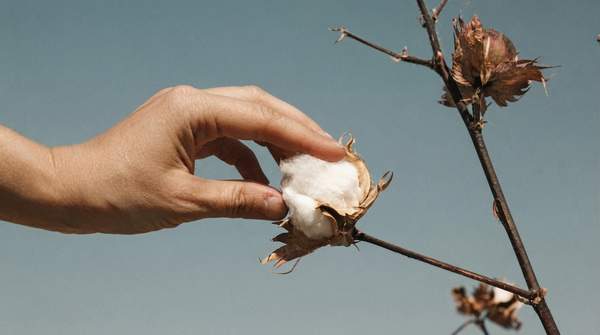
How to Tell a Sustainable Fashion Brand From Greenwashing: A Consumer's Checklist
Evaluate fashion brands for sustainability by asking three key questions: Does the brand disclose its supply chain, can its materials be verified through third-party certification, and does it evidence fair labor practices? This guide offers a consumer checklist to help you spot greenwashing and make informed choices.
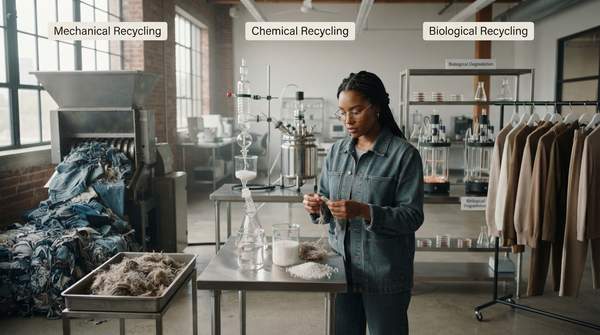
Three Recycling Technologies, One Circular Wardrobe: How Mechanical, Chemical, and Biological Methods Stack Up
Textile recycling relies on mechanical, chemical, and biological technologies, each with trade-offs depending on garment composition. Understanding these methods is key to evaluating circular fashion claims, especially for complex blended fabrics.
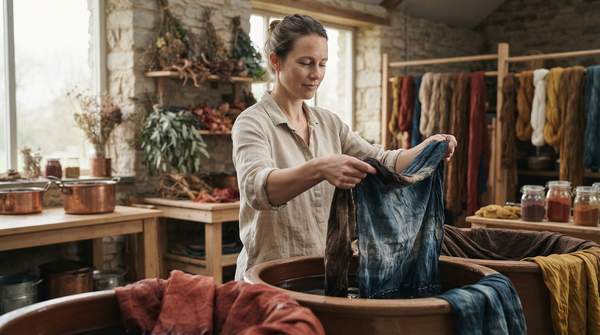
Natural Dyes Return to Fashion: Heritage Techniques and Bacterial Color Redefine Sustainable Textiles
Natural dyes are returning to fashion due to their connection to cultural heritage and their role in mitigating the environmental damage caused by synthetic dyeing. This revival encompasses both traditional plant-based methods and innovative scientific approaches like microbial dyeing.

5 Ways Sierra Hotel Hoodies Embodies the 'Quiet Luxury' Trend in Premium Leisurewear
Sierra Hotel Hoodies embodies the 'quiet luxury' trend in premium leisurewear through understated designs, sustainable cotton, American-made production, and versatile pieces that move from relaxed moments to everyday outings. The brand focuses on polished pieces, refined materials, and versatile silhouettes that prioritize quality and subtle elegance.

How Upcycled Fashion Reduces Waste by Transforming Old Garments
Upcycled fashion offers a creative and sustainable solution to textile waste by transforming discarded garments into new, higher-value clothing. This practice directly reduces landfill burden, conserves resources, and lowers carbon emissions compared to traditional fashion.
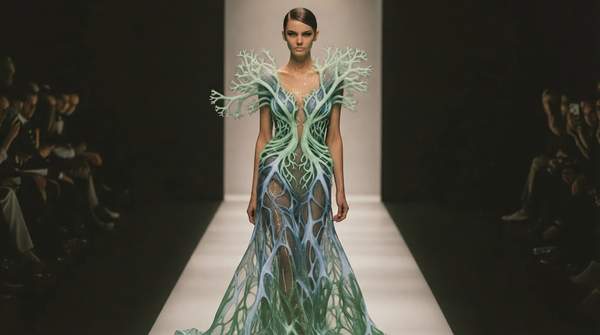
How Nature's Designs Are Remaking Sustainable Fashion
Biomimicry, inspired by nature's designs, is revolutionizing sustainable fashion by emulating natural forms, processes, and entire ecosystems. This approach aims to create materials and systems that are cleaner, stronger, and designed for circularity and regeneration.

What is the Après-Padel Luxury Athleisure Trend?
Forget bright neons and purely functional gear: the latest luxury athleisure trend, inspired by padel, demands sophisticated earthy tones and pieces that transition seamlessly from the court to a chic

Autumn Winter 2026 Fashion Embraces Sustainability Beyond Recycled Materials
At Louis Vuitton's Autumn/Winter 2026 show, architectural cloaks inspired by Turkish kepeneks emerged, a clear signal that luxury and plant-based alternatives are now deeply intertwined.

Sustainable Fashion: Unpacking Ethical Claims in 2026
A Zara hoodie from its 'Join Life' sustainability line, priced at €26.

Rails Blake Jacket Highlights 2026 Transitional Fashion Trends
As summer heatwaves extend into fall 2026, designers are pushing $190 zip-front jackets and $124 wide-leg jeans as new staples for a season that defies traditional boundaries.

Social Media's Cultural Shifts Fueling Faster Fashion Trends in 2026
Fairy-tale fashion, a captivating blend of medieval elements and the dark coquette aesthetic, is already a dominant force on Fall 2026 runways, gracing collections from luxury houses like Chanel, Robe

11 Enduring Fall 2026 Fashion Trends for Women's Wardrobes
For Fall 2026, designers are issuing a clear directive: buy less, but buy better.

What Are Circular Economy Principles in the Fashion Industry?
Between 10% and 40% of garments made are never sold, creating a massive textile waste problem, even as Patagonia has successfully sold an estimated 120,000 repurposed items through its Worn Wear progr

Why Consumers Are Embracing Sustainable Styles Over Flashy Winter Jewelry
This winter, shoppers are increasingly choosing gold vermeil and recycled silver over solid gold.

Sustainable Luxury Feels Easier to Choose With Style Me Up
Style Me Up offers a sustainable luxury alternative for occasionwear, allowing customers to hire designer dresses for specific events instead of buying them. This service promotes reuse and accessibility, challenging traditional luxury fashion's emphasis on ownership.

Bullet Proof Country Club vs. Mainstream Streetwear: Which Is a Smarter Investment in 2026?
This article contrasts niche streetwear brands like Bullet Proof Country Club, which prioritize longevity and quality, with mainstream streetwear, often seen as disposable. It explores how high-quality clothing can be a smarter long-term investment due to superior materials and construction.

Resale Market to Hit $367B by 2029: Conscious Consumerism's Paradox
The global secondhand apparel market is set to hit $367 billion by 2029.

What Is Minimalist Fashion and Why Does It Matter?
Some women-led brands championing minimalist fashion and capsule wardrobes are not just about conscious consumption; they harbor billion-dollar aspirations.

Modular Fashion: The Paradox of Sustainable Wardrobes
Modular garments, often hailed as sustainable innovation, harbor a dirty little secret: they could actively foster overconsumption.

What Is Sustainable Fashion and Why Does It Matter for the Future?
The sustainable apparel market, valued at USD 120.

The Viscata Story: Inside the 600-Year Tradition of Spanish Espadrille Craftsmanship
Viscata continues the 600-year tradition of Spanish espadrille craftsmanship, emphasizing authenticity through handmade production in Spain, time-honored techniques, and natural materials. This commitment also positions them within the sustainable fashion movement.

Secondhand Luxury Soars as Sustainable Fashion Shift Accelerates
Brioni listings on eBay grew 59 times year-over-year, while Rodarte's average sales price increased 721% in Q1 2026, according to The Ethos.

Sustainable Fashion: Consumer Values vs. Rising Consumption
The average person is buying 60 percent more clothing than 15 years ago, yet keeping each item for only half as long.

Why Moss Apparel Turns Everyday Clothing Into Conservation Action
Moss Apparel transforms everyday clothing purchases into conservation action by offering nature-inspired apparel with a give-back model. A percentage of every sale supports verified nonprofit partners dedicated to wildlife research, habitat support, and regional conservation.