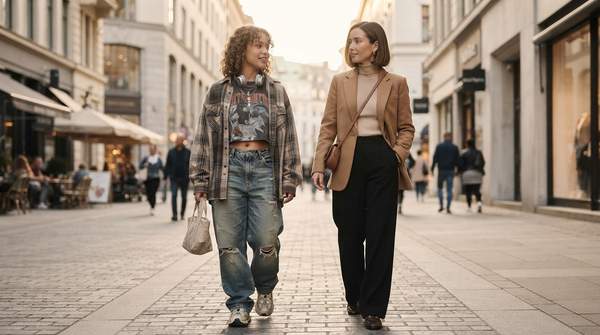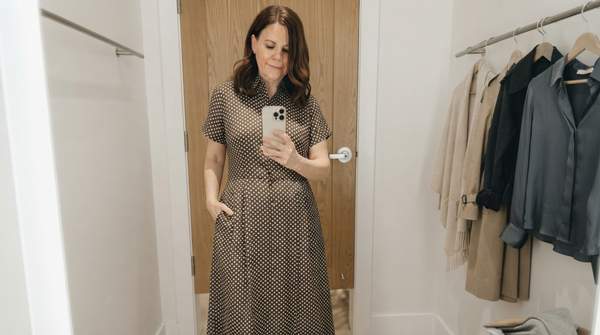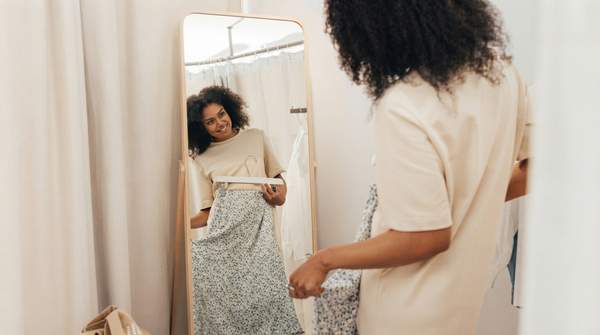
The fastest way to make more sustainable and authentic wardrobe choices is to ask one question before any purchase: does this item reflect who I actually am, or only what is popular right now? The distinction matters because micro-trends, the short-lived styles amplified across social media, have lifecycles so compressed that a piece can feel dated before the parcel reaches your door. Personal style, by contrast, is built slowly, reflects individual preferences and routines, and tends to hold its value in your wardrobe for years.
The Fashion Dilemma: Micro-Trends vs. Personal Style
Fashion has always recycled itself, but the tempo has changed. As reporting in The Daily Orange observed, the difference now is speed: with social media, trends spread and lose relevance faster than ever, and micro-trends can rise and fall within a single season. This acceleration collides with a human desire for authenticity. A 2026 piece in Fashion Times noted a visible shift toward individual fashion as people seek styles reflecting personality rather than a single trend direction.
The tension is not merely aesthetic. NBC News, reporting on young shoppers in late 2024, found that the constant churn of online microtrends had, in many of their own accounts, erased personal style and popularized overconsumption. One 20-year-old law student described purchases that had already fallen out of favor by TikTok's volatile standards. The result is a wardrobe that churns without maturing.
Decoding Micro-Trends: Characteristics of Fleeting Fashion
The clearest signal of a micro-trend is its packaging. Global Fashion Agenda describes how micro trends take already common notions and make them marketable, pointing to "Cinnamon Cookie Butter hair" as simply a new way to market brunette hair. The catchy, meme-ready name is itself a marker: it exists to accelerate a purchase, not to serve a lasting preference.
Three further characteristics recur across sources. First, origin: micro-trends typically surface through social platforms and influencers, as Fashion Times outlines, with fast fashion brands producing trend-based items quickly. Second, lifecycle: they spread and fade within weeks or a season. Third, consequence: brands latching onto every aesthetic that permeates feeds facilitate overconsumption in an entirely new way, according to Global Fashion Agenda's analysis, because the latest trend may be old news by the time it arrives.
Cultivating Enduring Personal Style: Principles for Authenticity
If a micro-trend is something done to you by an algorithm, personal style is something you build. Fashion Times identifies its structural elements: consistent color palettes or silhouettes, a preference for certain fabrics or fits, clothing that aligns with daily routines, and confidence when wearing familiar pieces. These are observable traits you can audit in your own closet.
Practically, Fashion Times recommends building a base of timeless staples, introducing trends only in small, manageable ways, prioritizing fit and comfort over trend appeal, and revisiting favorite outfits rather than constantly replacing them. Grazia India adds a useful caution drawn from psychologist Tal Ben-Shahar's "arrival fallacy": personal style is not a destination but an ongoing process of evolution. Even admired style icons, the piece notes, have felt the sting of hindsight.
The motivations differ, too. WGSN's Jessica Seddon, a senior strategist for buying, observed that trends were "too saturated in the market between 2023 and 2024 and it wasn't sustainable, in terms of the environment but also personal spending." Her assessment was that this saturation has driven consumers back toward personal style and more considered consumption.
Your Personal Style Decision Framework
Use this checklist on any potential purchase. Answering "yes" to the left-hand signals points toward a micro-trend; the right-hand answers point toward a durable personal-style piece. Most items will not be purely one or the other, so use the pattern across all four questions rather than a single answer.
| Question | Micro-trend signal | Personal-style signal |
|---|---|---|
| Where did I first see this? | I encountered it through a feed, influencer or algorithmic recommendation, possibly under a catchy marketed name. | I found it independently, or it is a familiar silhouette, fabric or fit I already prefer. |
| How long will it stay relevant? | It rose fast and is tied to this season; by standard micro-trend pacing it may fade within weeks. | I can imagine wearing it for years, and it would not embarrass me if the "trend" ended tomorrow. |
| Does it integrate with my wardrobe? | It is a standalone statement that matches my recent impulse buys more than my older pieces. | It pairs with at least three items I already own and fits my consistent palette and daily routine. |
| What is my honest motivation? | Popularity, novelty, or fear of missing out; I would not choose it if no one had shown it to me. | Self-expression and comfort: it reflects my personality and makes me feel confident. |
Scoring is deliberately simple. If most answers fall in the left column, the item is riding a hype cycle that the sources associate with churn and overconsumption, and the reasonable signal is to pass or wait. If most fall in the right column, it aligns with the longevity, cohesion and self-expression that Fashion Times and Global Fashion Agenda describe as the basis of a considered wardrobe. Waiting a week also works as a tiebreaker: micro-trend appeal decays quickly, while genuine preference tends to survive the pause.
Embrace Intentionality for a Sustainable Wardrobe
The decision, supported across these analyses, is to prioritize purchases that align with your evolving personal style over fleeting micro-trends to foster authenticity and sustainability. The measurable indicator is a wardrobe composed of versatile, cherished items that consistently make you feel confident and reflect your identity, reducing the frequency of new purchases.
Two boundaries keep this honest. This is a guide for individual consumers, not an analysis of the fashion industry's production cycles, and it concerns aesthetic rather than financial decision-making. It also offers no list of good or bad trends, only a framework for your own evaluation. Global Fashion Agenda closes on a point worth keeping: many of today's trending looks might instead inspire us to dig deeper into our closets and rediscover items unworn for years. The next milestone is your own, the next time you stand at a checkout, you can ask which column the item belongs in.
Sources
- Internet’s many microtrends kill authenticity, personal style — The Daily Orange
- From Trends to Timeless: Personal Style vs Trends and the Shift to Individual Fashion — Fashion times
- Microtrends are killing personal style and making shopping a nightmare — NBC News
- Discover the rise of micro trends and their influence on fashion — Global Fashion Agenda
- Can Personal Style Exist In A World Of Micro Trends? — GRAZIA
- Swinging from throwaway microtrends to personal styling — WGSN