Practicing slow fashion comes down to two habits: evaluating new purchases against a consistent set of principles, and extending the life of the clothes you already own. Slow fashion is, at its core, a mindset rather than a shopping list — you do not need to discard your current wardrobe or buy a new "ethical" one to take part. What follows is a working framework built on four dimensions — mindful consumption, quality and durability, material sourcing, and ethical production — that you can apply to any garment, from any brand, before money changes hands.
What Is Slow Fashion?
Slow fashion is best understood as the deliberate opposite of fast fashion. The European Parliament, as summarized in a sustainable fashion guide from Kleiderly, describes fast fashion as resting on mass production, low prices, and high sales volumes. Slow fashion inverts each of those: smaller production volumes, fair prices for items built to last, and fewer purchases overall.
Academic research gives the concept a more formal footing. Writing in the Journal of Sustainability Research, scholars note that the approach aligns with sustainability and circular-economy principles, aiming to reduce waste, extend product lifecycles, and minimize environmental impact. Jung and Jin's Consumer Orientation to Slow Fashion scale, developed for research use, captures five dimensions of the mindset: equity, authenticity, functionality, localism, and exclusivity — reflecting concerns for fair trade, appreciation of craftsmanship, a preference for versatile and durable clothing, support for local production, and a desire for unique items.
The practical takeaway is that slow fashion is not a certification or a brand category. It is a way of deciding what, when, and how much to buy — a point the Journal of Sustainability Research emphasizes when it observes that consumers ultimately determine clothing's environmental and social footprint, because they are the ones who decide what, when, and how much to buy.
The Four Pillars of Slow Fashion
Francesca Sterlacci, writing for the University of Fashion blog, identifies mindfulness as the most crucial aspect of the movement: a consumer works to become more conscious of what they are consuming. Importantly, she notes, this does not mean throwing out all your old clothes and refilling your closet with ethical brands. The wardrobe you already own is the starting point, not an obstacle.
The remaining pillars concern the garment itself. A widely cited guide from DORUZOVA defines quality as investing in well-made garments that will withstand years of wear rather than disintegrating after a season, and responsibility as considering the full lifecycle of a garment — from raw material sourcing through manufacturing to eventual disposal or recycling. Mindfulness, in that guide's framing, means being aware of where your clothes come from, who made them, and what impact their production has on the planet and people.
Material sourcing and ethical production complete the picture. Research on how perceived sustainability influences clothing preferences, published through the National Library of Medicine, treats material sourcing as a distinct evaluative dimension — considering the sustainability of raw materials such as organic cotton, recycled polyester, or wool to reduce reliance on natural resources. On the ethics side, transparency is the hallmark: brands genuinely practicing slow fashion typically disclose where materials originate and how their garments are made.
Your Slow Fashion Decision Framework
Use this matrix before any new purchase. Work through the questions in order — the first dimension filters out impulsive buys, and the remaining three assess the garment and the brand behind it. A purchase that fails the first dimension should be skipped regardless of how well it scores on the others; a garment that passes the first but fails the later ones is a candidate for a more transparent alternative.
| Dimension | Questions to ask | What a strong answer looks like |
|---|---|---|
| Mindful Consumption | Is this a true need or a passing want? Does it fill a genuine gap in my wardrobe, or duplicate something I own? Will I still wear it in three years? | The item integrates with existing pieces and addresses an identified gap — a personal assessment of your own wardrobe, not a marketing impulse. |
| Quality & Durability | Is the garment well-constructed? Does the fabric feel substantial? Is the design versatile enough for repeated, long-term wear? | Construction and fabric quality suggest the garment is designed to last, reducing the need for frequent replacement. |
| Material Sourcing | Does the brand disclose what the garment is made of and where materials come from? Are lower-impact materials — organic cotton, recycled polyester, wool — used where relevant? | Clear disclosure of material origins and environmental considerations, not vague "eco" language. |
| Ethical Production | Who made this garment, and under what conditions? Does the brand publish information about its manufacturing processes and labor practices? | Supply-chain transparency — fair wages and safe working conditions — which is a hallmark of genuine slow fashion brands. |
Two cautions apply. First, this framework provides criteria, but ultimate verification may require deeper research beyond a simple checklist — a brand's silence on any dimension is itself an answer. Second, the framework guards against greenwashing precisely because it asks for specifics: a claim of "sustainable" that cannot name a material, a factory, or a wage standard fails the test on its face. And remember that the framework evaluates any brand equally — the point is the criteria, not a curated list of approved labels.
Extending the Life of Your Existing Wardrobe
The most immediate way to practice slow fashion costs nothing. EBSCO's research overview, cited in Kleiderly's guide, names durable clothes, buying used items, and extending usefulness through repairs or alterations as key principles of the movement. That last element — repair — is where most wardrobes hold untapped value.
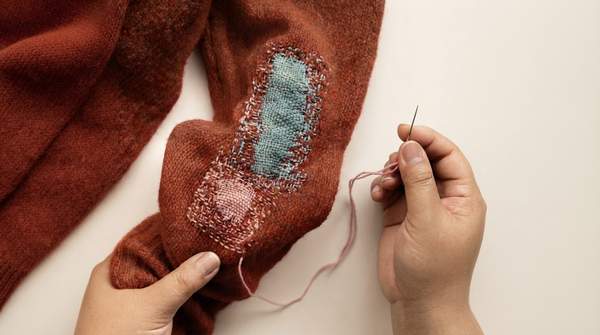
Start small and concretely. Kleiderly's guide suggests repairing or restyling one item you already own as a first step. That might mean mending a seam, replacing a button, taking a garment in for alterations, or simply restyling a forgotten piece with what you already have. Each repair extends the garment's lifecycle and reduces both waste and demand for new production — the same outcome the academic literature identifies as slow fashion's core environmental logic.
Mindful care belongs here too. Since quality garments are meant to withstand years of wear, how you wash, dry, and store them determines whether they actually do. Treating the clothes you own as worth maintaining — rather than as disposable — is the mindset shift that makes the purchasing framework easier to follow, because a wardrobe of well-kept, loved pieces generates fewer genuine gaps to fill.
Embrace a Sustainable Wardrobe: Your Next Steps
Adopt a slow fashion mindset by consciously evaluating new purchases and actively extending the life of existing garments. This is individual empowerment through purchasing and wardrobe decisions — not systemic industry change — but it is real leverage: as the Journal of Sustainability Research puts it, consumers decide what, when, and how much to buy, and clothing production's environmental burden follows from those decisions.
The measurable indicator of progress is a reduction in impulsive clothing purchases and an increase in garment repair or restyling activities. Track it simply: count the items you buy on impulse each month and the items you repair, alter, or restyle. When the second number climbs and the first falls, the framework is working — and your wardrobe, not a brand's marketing, is doing the talking.
Sources
- Slow Fashion Explained: Principles and Simple Ways to Start – Sustainable Fashion Guide — Kleiderly
- Cross-Cultural Validation of COSF and LOHAS Scales — Journal of Sustainability Research
- Sustainable and Responsible Consumption: An Investigation of Consumer Motivations for Adopting a Capsule Wardrobe — Journal of Sustainability Research
- SLOW FASHION & THE CONSCIOUS EDIT - 4 Basic Principles of Slow Fashion - University of Fashion Blog
- Slow Fashion: What It Is and How to Start — DORUZOVA
- How perceived sustainability influences consumers’ clothing preferences - PMC