Circular textile design means designing textile products for long life, repair, reuse and efficient recycling — decisions that, as the Swedish research institute RISE puts it, are largely determined at the design stage. It is the garment-industry application of the circular economy, a framework the Ellen MacArthur Foundation defines through three principles driven by design: eliminate waste and pollution, circulate products and materials at their highest value, and regenerate nature. This article unpacks each principle and maps it to the concrete design strategies — material selection, construction, and end-of-life planning — that determine whether a garment can actually keep circulating.
What is Circular Textile Design?
Today's fashion industry is linear, in the Ellen MacArthur Foundation's blunt assessment: clothes are made, worn, and discarded. The foundation notes that every second, the equivalent of a rubbish truckload of clothes is burnt or buried in landfill. Circular design is the countermeasure at the point of origin.
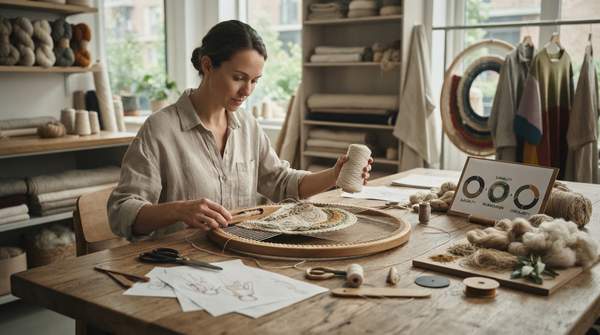
What makes it distinctive is its perspective. Traditional design considers the needs of the end user; circular design, as the foundation's own educational material explains, considers the entire system within which the design will exist. That includes what happens after the wearer is finished with it. RISE, whose textile-design guidance centers on material selection and product longevity, frames circular textile design as a design-stage discipline: the product's capacity for repair, reuse and recycling is largely decided before anything is cut or sewn.
The stakes are quantified in the foundation's design-focused material: more than 80 percent of all environmental impacts from products are determined at the design stage. Circular design is not a finishing touch; it is where the outcome is set.
The Three Core Principles of Circularity in Textiles
The Ellen MacArthur Foundation's three principles, applied specifically to fashion, work as follows:
- Eliminate waste and pollution. Waste and pollution are designed out from the outset rather than managed afterward. In garment terms, this means fewer mixed materials, avoiding trims that are hard to separate, and planning for safer chemistry, as the Circular Economy Alliance translates it into apparel decisions.
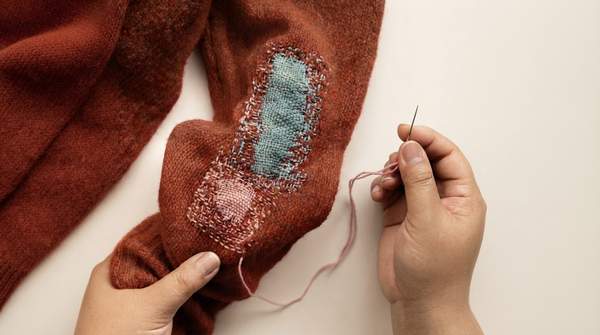
- Circulate products and materials. Keep items in use at their highest value — through care, repair, resale and rental — and, when a garment can no longer be worn, route the textiles into high-value recycling where feasible.
- Regenerate nature. Go beyond doing less harm and build products from materials that support ecological health — safe, recycled or renewable inputs that can, where appropriate, return safely to the biosphere.
These principles now reach beyond voluntary practice. The same circular design ideas underpin European regulation, with the European Commission's 2030 vision that all textile products on the EU market be durable, repairable and recyclable — a driver of design change that this article flags without exploring policy in depth.