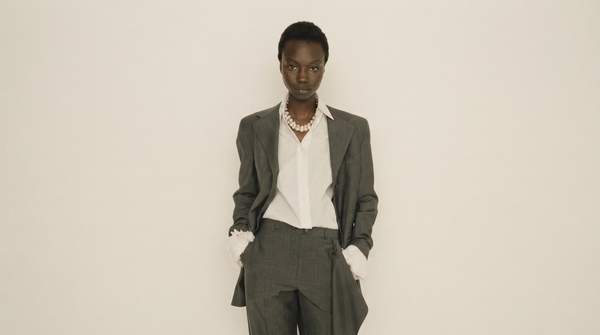
At Louis Vuitton's Autumn/Winter 2025 show, architectural cloaks inspired by Turkish kepeneks emerged, a clear signal that luxury and plant-based alternatives are now deeply intertwined. This collection, Vogue noted, featured eclectic ensembles adorned with sheep motifs, revealing fashion's evolving purpose. Designers aren't just making clothes; they're spinning entire narratives, weaving sustainable practices into a grander vision of creative expression.
The fashion industry famously thrives on constant newness and consumption. Yet, leading designers are now increasingly embedding sustainable practices and materials directly into their collections. This inherent tension—between perpetual novelty and ecological responsibility—doesn't just define Autumn/Winter 2026 trends; it forces brands to square their commercial ambitions with urgent environmental demands.
This means we'll likely see a continued, if gradual, pivot toward more responsible production, fueled by both innovation and shifting consumer desires, all while fashion clings to its creative soul. High fashion's Autumn/Winter 2026 collections are particularly adept at this, deploying fantastical narratives and whimsical aesthetics to strategically normalize and elevate radical sustainable materials and upcycled everyday items. Ecological responsibility isn't just a duty; it's becoming a coveted luxury.
Louis Vuitton, for its part, didn't just trot out those architectural Turkish kepenek-inspired cloaks and sheep-adorned ensembles. This blend of traditional craftsmanship and imaginative flair established an early blueprint for a season Nicholas Ghesquière dubbed "a new folklore." It's clear luxury now prioritizes compelling storytelling and resourceful innovation over pristine newness. Designers are proving environmental consciousness doesn't stifle creativity; it ignites it, embedding sustainability into the very DNA of their fantastical visions.
Innovating Materials: From Lab to Runway
- Vegetal Fur — Louis Vuitton integrated vegetal fur collars into its Autumn/Winter 2025 collection. Meanwhile, Collina Strada embraced Biofluff's 100% plant-based, plastic-free alternative for a brown fluffy jacket and a leopard-print coat, according to Vogue. Major luxury houses are clearly embracing advanced, animal-free fur alternatives.
- Brewed Protein — Stella McCartney teamed up with Brewed Protein, crafting fisherman knits from an animal-free, lab-fermented wool alternative, according to Vogue. Fashion's serious investment in biotechnology for sustainable fiber production is demonstrated by this partnership.
- Recycled Denim and Vintage Materials — Coach put post-consumer waste denim to work, also crafting bags from a vintage football and old baseball mitt, according to Vogue. This is upcycling in action, giving existing materials a stylish second life.