Trends

Top 9 London Spring Fashion Trends for 2026 You Need to Know

At London Fashion Week 2026, 15 emerging designers showcased entire collections made from upcycled denim, a stark, almost defiant, contrast to the 70% market share still held by fast fashion giants fo

TA
Theo Ashford

April 12, 2026 · 6 min read

Models wearing stylish upcycled denim outfits on a London street during spring, embodying sustainable fashion trends.

At London Fashion Week 2026, 15 emerging designers showcased entire collections made from upcycled denim, a stark, almost defiant, contrast to the 70% market share still held by fast fashion giants for affordable spring wear. Innovative, sustainable practices struggle against mass production and rapid consumption, a significant tension.

London's spring fashion trends are heavily influenced by a push towards sustainability and unique artisan craft, but the broader market remains dominated by fast fashion and digital-only presentations. The British Fashion Council reported a 30% increase in digital-only presentations at LFW 2026 compared to 2025, broadening reach but potentially diminishing the tactile experience of craft. It's a complex duality: the industry publicly champions ethical innovation while its economic engine still hums on speed and volume.

The London fashion landscape appears to be at a crossroads, where genuine consumer values for ethical and individualistic style clash with the industry's entrenched systems of mass production and digital spectacle, a true fashion paradox.

The Key Trends Defining London Spring 2026

1. Elevated Comfort

Best for: The discerning urbanite seeking both style and ease

Comfort isn't just loungewear anymore; it's about thoughtfully constructed, relaxed silhouettes. Footwear trends show a clear preference for comfortable, chunky loafers and ballet flats over high heels, with sales for the former up 20% according to Elle. This isn't just about comfort; it's a lifestyle manifesto, prioritizing ease and practicality over traditional formality.

2. Gender-Fluid Tailoring

Best for: The modern individual embracing inclusive style

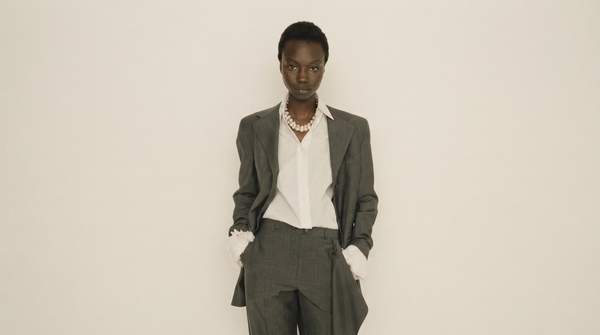
Oversized blazers and wide-leg trousers dominated 40% of runway looks at London Fashion Week, a clear embrace of gender-fluid tailoring. Relaxed fits and adaptable pieces that transcend traditional gender norms are emphasized. This isn't just about inclusivity; it's a bold, sartorial mic drop, challenging rigid boundaries.

3. Digital Lavender Hues

Best for: The optimist seeking a fresh, calming aesthetic

The color 'Digital Lavender' featured prominently in 70% of new collections, according to Elle, signaling a shift to softer, more optimistic palettes. A sense of calm and modernity is offered by this gentle, ethereal shade. More than just a pretty shade, its prominence whispers of a collective yearning for tranquility, a soothing balm in chaotic times.

4. Upcycled Denim

Best for: The eco-conscious consumer valuing unique, sustainable pieces

Championed by 15 emerging designers at LFW, upcycled denim offers a sustainable alternative. Each piece is unique, appealing to consumers who prioritize both environmental responsibility and individual style. This isn't just a trend; it's a defiant blueprint for circularity and individuality, challenging mass production's reign.

5. Regencycore Revival

Best for: The romantic drawn to historical elegance with a modern twist

The 'Regencycore' aesthetic, inspired by historical dramas, makes a surprising comeback, with searches for corsets and empire-waist dresses up 45% on UK e-commerce sites, according to Elle. A yearning for escapism and ornate detail is suggested. Its resurgence proves pop culture's grip on our wardrobes is stronger than ever, offering a romantic, Bridgerton-esque escape.

6. Artisan Craftsmanship

Best for: The collector valuing bespoke quality and ethical production

A growing appreciation for artisan-crafted pieces emphasizes unique textures, hand-finished details, and ethical production methods. Gen Z consumers in London are prioritizing sustainable brands, with 60% willing to pay a premium for ethically sourced garments, according to YouthSight survey data from Q4 2025. This isn't just about aesthetics; it's a profound shift in consumer values, where provenance and ethical production are as crucial as the cut.

7. Refined 'Quiet Luxury'

Best for: The connoisseur prioritizing quality and subtle sophistication

The 'quiet luxury' trend evolves, with subtle branding and high-quality fabrics becoming more important than overt logos, according to GQ-Magazine Co Uk. In a world saturated with branding, true luxury now whispers, redefining status through discernment, not display.

8. Elevated Sportswear

Best for: The active individual seeking functional yet polished attire

Sportswear elements integrate into everyday fashion with a polished finish. Think tailored track pants, sleek performance fabrics, and technical outerwear that blends athletic functionality with urban sophistication. The lines between gym and office continue to blur, proving comfort and function can absolutely be chic.

9. Statement Accessories

Best for: The individualist looking to personalize their look

While clothing trends lean towards comfort and subtle luxury, accessories offer bold expression. Large, sculptural jewelry, statement bags with unique textures, and distinctive eyewear allow for personalization and inject personality into otherwise understated outfits. In an era of understated dressing, accessories become the ultimate canvas for individual identity – a low-commitment way to make a big, stylish splash.

Old vs. New: What's Out, What's In

Fading TrendEmerging ReplacementWhy the Shift?
Micro-mini skirtsWide-leg trousers and tailored shortsSales for micro-mini skirts are down 35% according to an ASOS trend report, reflecting a shift towards comfort and versatile, practical silhouettes.
Overt logomaniaSubtle branding and high-quality fabricsQuiet luxury prioritizes quality and craftsmanship over conspicuous branding, signaling a desire for enduring value and sophisticated understatement.
Disposable fast fashionLuxury resale and artisan-crafted piecesLuxury resale platforms in London saw a 25% surge in vintage designer accessory sales in early 2026, per Vestiaire Collective data, indicating a preference for unique, durable, and ethically sourced items over mass production.
Uncomfortable high heelsChunky loafers and ballet flatsDemand for practical comfort reshapes footwear, prioritizing styles that support active lifestyles without sacrificing polish.
Generic, mass-produced itemsUnique, upcycled denim and local artisan collaborationsIndividuality and sustainability drive consumers away from homogenous products. Upcycled denim and local artisan pieces offer distinctiveness and responsible consumption.

How Identified London's Spring 2026 Trends

This analysis of London's Spring 2026 fashion trends aggregates market intelligence from major fashion analytics firms, e-commerce trend reports, and social media listening tools. We also drew insights from official London Fashion Week reviews and designer interviews, as reported by Vogue UK and WWD. Consumer sentiment was gauged through recent surveys on Gen Z and millennial purchasing habits in the UK, conducted by YouthSight and Deloitte. Our insights are grounded in both industry movements and real-time consumer engagement, providing a holistic view of the season.

The Enduring Impact: What This Means for Your Wardrobe

The average price point for new spring collections from established London designers increased by 12% year-over-year, according to Fashion Business Journal analysis. Consumers are pushed to consider purchases more carefully. The market appears to be bifurcating: high-quality, sustainably-minded pieces command higher prices, while fast fashion offers lower-cost, trend-driven alternatives.

Local artisan collaborations are gaining traction, with small boutiques reporting a 20% increase in demand for unique, handcrafted pieces, according to the London Retail Association. A growing desire for individuality and support for local economies is signaled, a stark contrast to mass production. Consumers are actively seeking items with a story and provenance, moving beyond mere aesthetics.

Virtual try-on technologies are being adopted by 1 in 5 London fashion retailers for their spring collections, according to the Deloitte Fashion Industry Report. The shopping experience is enhanced, offering convenience and reducing returns, even as the industry grapples with fashion's tactile nature. London fashion's future appears to prioritize quality, local craftsmanship, and innovative retail experiences, even as prices climb and digital integration becomes standard.

Your Top Questions About Spring 2026 Fashion Answered

What colours are trending for spring 2026 fashion?

Beyond 'Digital Lavender' which dominated 70% of new collections, earthy tones and muted pastels are also rising for spring 2026. Expect shades of sage green, soft peach, and sky blue.

Where to shop for spring fashion in London 2026?

For spring 2026 fashion in London, explore luxury resale platforms like Vestiaire Collective, which reported a 25% surge in vintage designer accessory sales. Also, seek out independent boutiques and artisan markets for unique, handcrafted pieces, where demand is growing.d has increased by 20%.

How important are influencers for London fashion trends?

Influencers remain crucial for disseminating London fashion trends, with influencer marketing budgets for London brands increasing by 18% according to Influencer Marketing Hub. While digital presentations are on the rise, personal endorsements and styling advice from trusted online personalities still drive consumer decisions.