Trends

Why Gen Z Is Embracing 90s Fashion Trends Over New Styles

Gen Z creators aren't just replicating Carolyn Bessette's 1990s looks; some are actively visiting her old New York City haunts, seeking an authentic connection to her minimalist aesthetic.

TA
Theo Ashford

April 12, 2026 · 4 min read

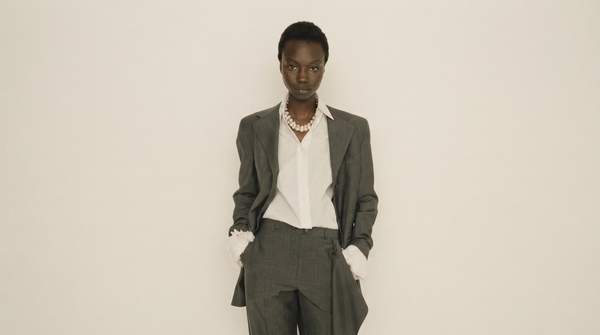
Gen Z fashion influencer channeling Carolyn Bessette's 90s minimalist style on a New York City street during golden hour.

Gen Z creators aren't just replicating Carolyn Bessette's 1990s looks; some are actively visiting her old New York City haunts, seeking an authentic connection to her minimalist aesthetic. These pilgrimages, documented across social platforms, transform historical fashion into a tangible, contemporary experience for Spring 2026. Profound engagement from a new generation signals that the current '90s fashion revival is more than a fleeting stylistic imitation; it's a deep cultural immersion.

While fashion trends often cycle broadly, the current '90s revival is hyper-specific, driven by a single style icon and a concurrent media event. This focused attention marks a departure from diffuse nostalgic waves, establishing a new precedent for celebrity-driven trend cycles. This tension between broad cyclical trends and highly concentrated influence defines the current moment.

The Spring 2026 fashion season will likely see a surge in demand for authentic vintage and high-quality minimalist staples, moving beyond mere inspiration to direct emulation. This shift could alter consumer behavior towards more curated, less trend-driven wardrobes, reflecting a desire for enduring style over ephemeral fads. The cultural significance of '90s fashion, particularly Bessette's influence, appears poised to dominate.

More Than Just a Throwback

The '90s are back, sure, with Glamour reporting a return of tailored trousers and sleek, understated designs for Spring 2026. But this isn't just any throwback. While general '90s pants are trending, Art Threat and theguardian confirm a laser focus on Carolyn Bessette's specific minimalist aesthetic. Consumers aren't just dabbling in nostalgia; they're actively chasing her refined elegance, elevating this trend beyond mere imitation. This hyper-specific pursuit suggests a deeper cultural resonance, pushing aside other '90s or Y2K aesthetics. The implication? Brands need to understand the why behind the '90s revival, not just the what.

The Numbers Don't Lie

  • 150% — Searches for “Carolyn Bessette style” have increased by 150% on Google, according to theguardian.
  • 67% — Searches for Levi’s vintage 517 style jeans are up 67% month on month on the resale site Depop, according to theguardian.

These numbers aren't just vanity metrics. The dramatic surge in "Carolyn Bessette style" searches, coupled with the spike in Levi's vintage 517s, proves a powerful, measurable demand for her specific minimalist aesthetic. This isn't passive consumption; it's a digitally-fueled, youth-led trend, aspirational and actionable. It means consumers are actively seeking out her look, not just any '90s vibe. The implication? Brands should be tracking specific icon-driven searches, not just broad category trends.

The Media's Role in Resurrecting an Icon

Carolyn Bessette's minimalist style isn't just trending; it's dominating, thanks in part to the FX Love Story finale, which Art Threat reports aired on March 26, 2026. This isn't just an amplifier; it's a direct catalyst for Spring 2026 fashion. The series transforms a historical figure into a contemporary muse, proving media narratives are now strategically orchestrating trend peaks. This focused attention makes the '90s revival hyper-specific, less organic, and more manufactured for maximum impact. The implication? Entertainment content is the new runway, dictating what's hot with precise timing.

From Runway to Real Life: Specific Style Manifestations

Cropped pants are back for Spring 2026, Glamour reports, but it's more than just a silhouette. The emphasis is on specific items like Levi's vintage 517 jeans, not just any '90s vibe. Consumers are seeking out distinct, authentic pieces that define Bessette's minimalist sensibility, moving beyond broad interpretations to curated selections. This desire for quality and timelessness means tangible items are appearing in both designer collections and booming resale markets. The implication? Fast fashion's broad strokes won't cut it; precision and authenticity are the new currency.

The Future of the '90s Revival

Gen Z's active pilgrimages to Carolyn Bessette's old New York haunts, reported by Art Threat, prove this isn't just a fleeting fashion moment; it's a full-blown cultural immersion. This tangible, real-world engagement, fueled by digital influence, suggests a sustained interest far beyond a single season. Coupled with the media-orchestrated peak of the FX Love Story finale in Spring 2026, Bessette's minimalist aesthetic isn't just influencing; it's poised to dominate. The implication? Future trend cycles will increasingly be dictated by a blend of authentic fan engagement and strategically timed media events, blurring the lines between historical reverence and manufactured hype.

Actionable Insights for Consumers and Brands

  • Brands ignoring hyper-specific, icon-driven nostalgia are missing a measurable market opportunity, given the 150% surge in 'Carolyn Bessette style' searches on Google and 67% rise in Levi's vintage 517 searches on Depop, per theguardian.
  • Resale platforms and brands known for timeless minimalist pieces are poised to thrive. Consumers are prioritizing authenticity and quality over fleeting trend cycles.
  • Gen Z content creators adept at translating historical fashion into contemporary trends will see their influence grow, driving widespread adoption.
  • Fast fashion and designers pushing maximalist or overtly Y2K aesthetics may find their offerings out of sync with this dominant, curated '90s minimalist movement.

The demand for authentic, enduring pieces like Levi's 517s signals a clear shift towards quality and timelessness. By Q2 2026, established purveyors of classic minimalist designs, such as Ralph Lauren and Calvin Klein, will likely see increased sales as consumers gravitate towards this enduring aesthetic.