Australian Fashion Week 2026 Unveils Deconstructed Forms and Resurgent Glamour

At Australian Fashion Week 2026, designers like Alix Higgins presented polo shirts cut in half to form bottomwear, a radical embrace of deconstruction and individual expression, according to The Guard

TA
Theo Ashford

May 19, 2026 · 3 min read

Models walk the runway at Australian Fashion Week 2026, displaying a striking juxtaposition of deconstructed avant-garde clothing and high-glamour evening wear under dramatic lighting.

At Australian Fashion Week 2026, designers like Alix Higgins presented polo shirts cut in half to form bottomwear, a radical embrace of deconstruction and individual expression, according to The Guardian. Yet, this raw aesthetic clashed with the hyper-glowy, polished beauty and overt glamour also on display. The Carla Zampatti show, for instance, opened with a 'polished and balmy' beauty look, per NZ Herald, creating a palpable tension between perfected artifice and authentic imperfection across the runways. The industry, it seems, navigates a dual path: high-gloss luxury coexists with a growing demand for authenticity and visible craftsmanship. Personal expression often trumps uniform perfection, as seen in Beare Park's focus on individual skin glow using Emma Lewisham's Sunceutical SPF50 Mineral Glow Serum, also noted by NZ Herald.

Deconstructed Forms and Authentic Textures

  • COMMAS Resort 27 presentation featured 'post-surf' hair, described as natural and quietly elevated, enhancing texture rather than controlling it, according to NZ Herald.
  • Lee Mathews' Resort 27 collection featured raw hems, exposed finishes, and layered fabrication, making the garment's evolution visible, according to Marie Claire.
  • Alix Higgins presented reworked polo shirts cut in half to form bottomwear, incorporating ribbons, internet-forward patterns, and droopy headgear, according to The Guardian.
  • Nagnata introduced denim totes, styled by looping them over a model's head and belting, according to The Guardian.

These collections aren't just casual; they champion an aesthetic where the natural state and visible process of creation are celebrated, actively moving away from overt perfection. The juxtaposition of hyper-glowy skin with 'post-surf' hair implies that 'natural' beauty here is less about effortlessness and more about a highly curated, *achieved* imperfection. Designers like Higgins and Mathews are signaling that fashion's future lies in deconstruction that invites wearer interaction and garment evolution, rather than static, finished pieces. It's about clothes that tell a story, not just present a facade.
Resurgent Glamour and Cultural Narratives

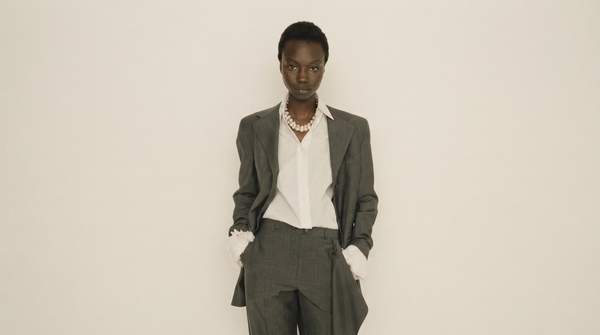
Amidst the deconstruction, overt glamour refused to fade. L'IDÉE WOMAN channeled 1970s disco with sculptural pleating, liquid shine, and statement sequins, according to Marie Claire. This collection offered a vibrant, structured counterpoint to the raw aesthetics seen elsewhere. Carla Zampatti further underscored this with a playful shift to lilac and crimson, ditching traditional neutrals, per The Guardian, reinterpreting luxury with a bold palette. Beyond sparkle, fashion also served as a vehicle for deeper cultural narratives. Ngali's Resort 2027 collection, 'Wander with Wonder,' featured a 24-piece capsule rooted in the Wiradjuri concept of Yindayamarra, according to ELLE Australia. While the industry flirts with radical deconstruction, bold glamour, historical references, and profound cultural storytelling remain powerful forces. Traditional luxury isn't just surviving; it's evolving, challenged to find new ways to coexist with raw authenticity and meaningful narratives.

Broader Industry Shifts

Australian Fashion Week 2026 wasn't just about clothes; it revealed a macro-shift in consumer and designer priorities. There's a clear demand for authenticity and personal expression, pushing designers beyond conventional boundaries. The focus on visible craftsmanship and natural aesthetics suggests a rejection of purely artificial standards, favoring garments that tell a story of their making and evolution. This evolving landscape rewards brands and consumers who value individuality, while traditional, highly structured, and overtly artificial standards that prioritize conformity are losing ground. The industry is clearly responding to a desire for more relatable, less prescriptive forms of style.

The tension between polished glamour and raw individuality, alongside a growing embrace of cultural narratives, suggests Australian fashion is likely to continue its dynamic evolution, blending contrasting aesthetics to create truly unique and personally expressive styles well into late 2026.