
Camila Roque
Editorial byline
Camila Roque is an editorial byline for The Modern Dispatch, with a focus on Food & Drink, Travel, Experiences. Biographical credentials and external profiles are published only after verification.
Learn more about our editorial process and use of automation in our AI & Automation disclosure.
Coverage Areas
Latest Articles

How to Tell an Ethical Wildlife Tour From a Marketing Pitch: A Three-Stage Checklist
Identify ethical wildlife tours by evaluating operators through a three-stage checklist: pre-booking research, direct inquiry, and on-site observation. Prioritize animal welfare and natural behavior over guaranteed close encounters.
Nov 18, 2026 · 5 min read
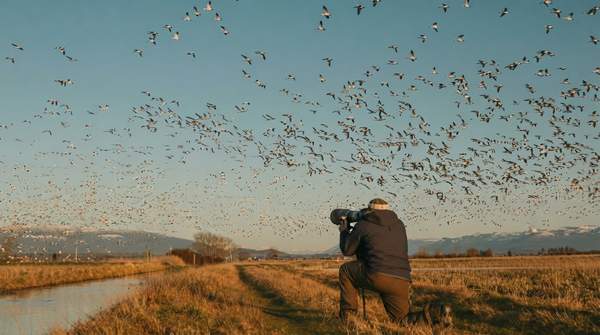
How to Evaluate Any Wildlife Tour or Encounter Against Ethical Viewing Standards
Evaluate wildlife tours and encounters using a simple checklist: maintain distance, never feed, avoid contact, protect habitat, and choose responsible operators. Applying these criteria helps judge the ethics of any wildlife viewing experience.
Nov 17, 2026 · 6 min read
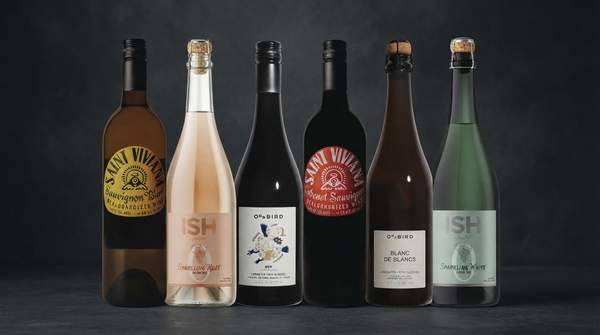
How Non-Alcoholic Spirits Get Their Flavor: Two Pathways, One Science
Non-alcoholic spirits are crafted through two main pathways: dealcoholization of existing spirits or building flavor from a non-alcoholic base using botanical extraction. Understanding these methods reveals how producers replicate taste, aroma, and mouthfeel.
Nov 16, 2026 · 5 min read
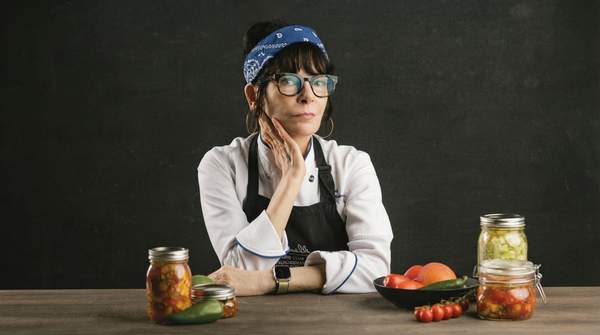
Koji, Garum and Lacto-Fermentation: How Chefs Turn Scraps into Umami
Modern chefs utilize koji, garum, and lacto-fermentation to transform food scraps into umami-rich ingredients, driving culinary innovation and significantly reducing waste. These techniques unlock deep savory flavors by breaking down proteins and sugars using microbial agents.
Nov 15, 2026 · 6 min read
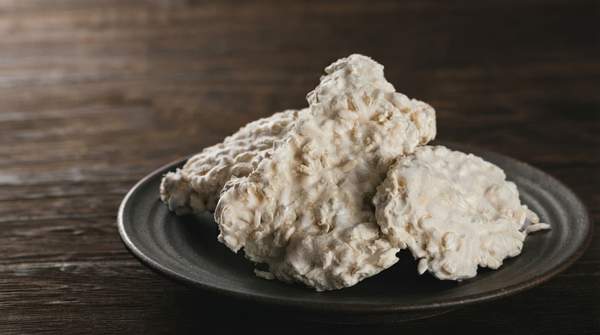
Koji's Two Enzymes: How a Mold Turns Starch Into Sweetness and Protein Into Umami
Koji, a mold culture of Aspergillus oryzae, transforms food through its two key enzymes: amylase, which breaks starches into sugars for sweetness, and protease, which breaks proteins into amino acids for umami. This enzymatic action underpins both traditional Japanese ferments and modern culinary innovations.
Nov 14, 2026 · 5 min read
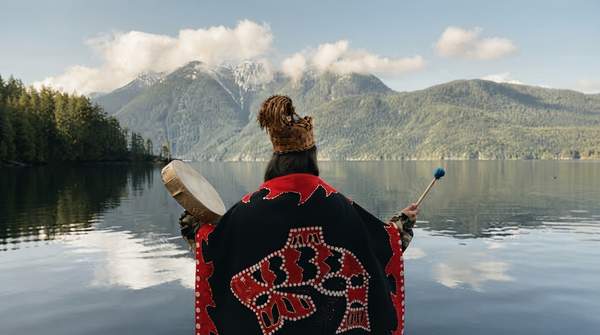
Three Tribal Resorts Compared: Where Hands-On Heritage Meets Four-Diamond Luxury
Discover how three distinct tribally-owned resorts in the US—Coeur d'Alene, Pechanga, and Tulalip—offer unique blends of hands-on cultural immersion and Four-Diamond luxury. Compare their approaches to heritage, art, and amenities to find your ideal immersive getaway.
Nov 13, 2026 · 5 min read

Slow Travel, Decoded: How to Plan a Trip Built on Depth, Not Distance
Slow travel is a philosophy that prioritizes depth, local connection, and sustainability over speed and checklist sightseeing. It offers a planning framework to make intentional choices that foster genuine understanding and minimize environmental and cultural impact.
Nov 13, 2026 · 4 min read
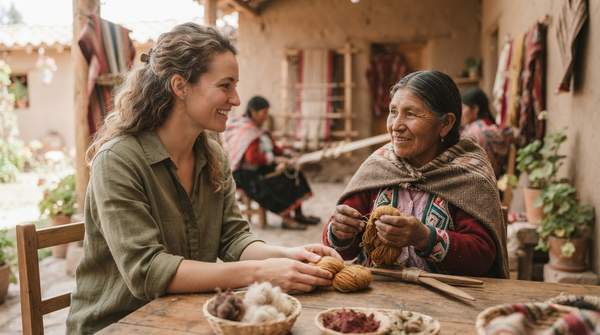
How to Spot Real Community-Based Tourism: A Traveler's Decision Framework
Learn how to distinguish genuine community-based tourism (CBT) from superficial "community-themed" tours. This framework helps travelers identify initiatives that ensure local ownership, equitable economic benefits, and true cultural exchange.
Nov 11, 2026 · 5 min read

Warm Escapes or Snowy Cities: How to Choose the U.S. Winter Destination That Fits You
This guide helps you choose between warm U.S. winter escapes and snowy cities by contrasting travel styles and activities. It uses descriptive insights and data-backed rankings to guide your decision based on climate preference and desired experiences.
Nov 7, 2026 · 5 min read

Not All Food Labels Are Equal: How to Tell Certified Ethics From Marketing Fluff
Not all food labels are created equal; some are legally regulated and third-party verified, while others are mere marketing fluff. This guide helps you distinguish between genuine ethical certifications and vague claims to make informed, value-aligned purchasing decisions.
Nov 7, 2026 · 4 min read

Wildlife Comes Before the Photograph: A Field Guide to Ethical Wildlife Photography
The paramount rule of ethical wildlife photography is prioritizing animal welfare above all else. This guide provides a practical checklist for preparation and in-field conduct to minimize disturbance and respect wildlife.
Nov 6, 2026 · 4 min read
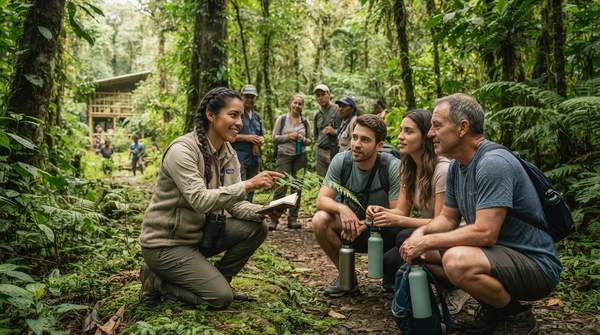
How to Spot a Genuinely Ethical Ecotourism Operator (and the Greenwashers Who Aren't)
Choosing an ethical ecotourism operator involves more than just checking certifications; it requires direct, specific questioning about conservation impact, community benefit, and transparency. This guide provides a method to vet operators and avoid greenwashing.
Nov 5, 2026 · 5 min read

Beyond Bali: Four Indonesian Destinations for Culture-First and Eco-Minded Travelers
Explore Indonesian destinations beyond Bali, focusing on cultural immersion and eco-conscious travel. Discover Yogyakarta's historical depth, Sumba's sustainable reputation, and the varied island paradises of the Gili Islands.
Nov 1, 2026 · 5 min read

No Straw Wins Everywhere: What Life-Cycle Assessments Reveal About Plastic, Paper, Bioplastic and Reusable Options
Life-cycle assessments reveal that no single straw option is universally "best," as each alternative presents unique environmental trade-offs from production to disposal. The optimal choice depends on local waste infrastructure and individual usage frequency.
Nov 1, 2026 · 5 min read

How to Choose an Ethical Wildlife Tour: Red Flags, Positive Signs, and the Questions to Ask Before You Book
Choosing an ethical wildlife tour requires identifying red flags like animal performances and guaranteed sightings, while looking for positive indicators such as expert guides and transparent conservation support. Thorough research and asking key questions ensure your travel benefits wildlife and local communities.
Oct 31, 2026 · 5 min read

From Prompt to Itinerary: How AI Travel Tools Actually Turn Your Preferences Into Recommendations
AI travel planners operate through a layered pipeline, gathering data, processing intent, and generating recommendations. Understanding this process helps users leverage their strengths in brainstorming and complex itineraries while being aware of their real-time and niche limitations.
Oct 30, 2026 · 4 min read
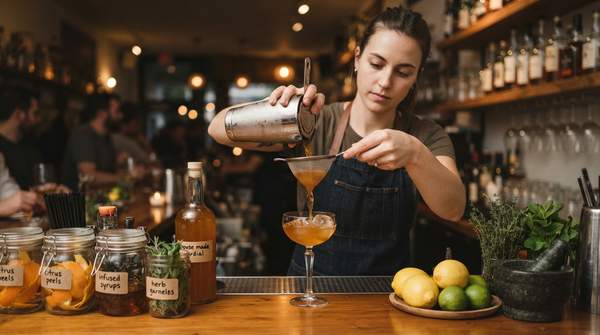
From Peels to Products: A Practical Framework for Closed-Loop Mixology
Closed-loop mixology transforms bar byproducts like citrus peels and herb stems into valuable new ingredients, shifting from a linear "use and discard" model to a circular approach. This framework offers practical techniques for repurposing waste, minimizing landfill contributions, and enhancing cocktail creativity.
Oct 30, 2026 · 5 min read
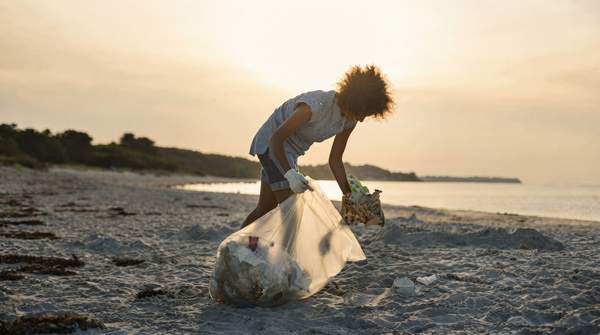
Regenerative Travel, Explained: The Principles and the Checklist That Separate Real Impact from Green Buzz
Regenerative travel asks not "how do I do less harm?" but "how does my trip leave this place better than I found it?" This guide explains the concept, its principles, and provides a checklist to evaluate real impact versus green buzz.
Oct 28, 2026 · 5 min read

Beyond Kimchi: Tepache, Tempeh, and Fermented Hot Sauce, Compared
Discover tepache, tempeh, and fermented hot sauce as exciting alternatives to common fermented foods. This guide compares their unique origins, flavors, and culinary applications to help you expand your kitchen's fermented repertoire.
Oct 27, 2026 · 4 min read

Natto, Doubanjiang, or Tepache? A Guide to Picking Your Next Ferment
Explore three unique fermented foods—Natto, Doubanjiang, and Tepache—as exciting alternatives to common options like kimchi and sauerkraut. Discover their distinct flavor profiles and culinary applications to find your next fermented adventure.
Oct 23, 2026 · 4 min read