Modern high-end kitchens have turned fermentation into a dual-purpose tool: a way to build the deep, savory taste we call umami, and a way to stop usable food from reaching the bin. Three techniques dominate that shift—koji-based fermentation, garum, and lacto-fermentation of vegetables. Each works through a different microbial agent, each thrives on different inputs, and each converts material a kitchen would once have discarded into something worth plating.
Modern Fermentation: A Culinary Revolution
Fermentation began as preservation, and that origin still shapes how kitchens use it. As the culinary education resource The Culinary Pro frames it, fermentation was traditionally "used as a preservation technique, but it also enhances the nutritional value of food, making it more digestible." The modern turn is that chefs now reach for fermentation for what it adds, not only for what it keeps.
The same source makes the waste connection explicit: fermentation "can reduce food waste by preserving surplus produce or transforming scraps into flavorful components." That single sentence captures the practical logic driving adoption in ambitious restaurants. A crate of imperfect mushrooms, a tray of protein trim, or a glut of vegetables is not a disposal problem—it is raw material for a sauce, a pickle, or a paste that carries more character than the pristine version would.
This shift also reflects a change in how cooks think. The Institute of Culinary Education observes that scientific understanding "changes how chefs cook"—instead of memorizing recipes, they work from principles, which is precisely what a living, variable process like fermentation demands.
Unlocking Umami: The Science Behind Fermentation
Umami is the taste of certain amino acids, most notably glutamic acid, and fermentation is one of the most reliable ways to liberate them. The mechanism is protein breakdown: enzymes dismantle long protein chains into their component amino acids, and those free amino acids are what the tongue registers as savory depth.
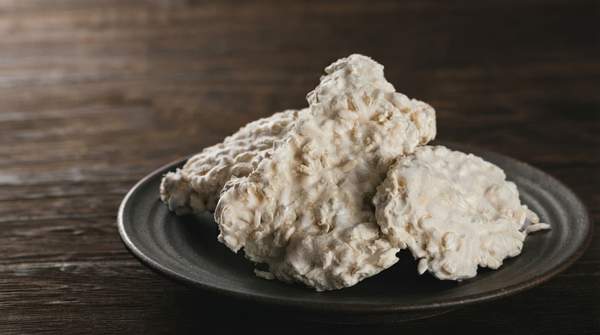
Fermentation-based foods illustrate the principle clearly. As food-law and industry writer Dario Dongo notes for FoodTimes, soy sauce contains "substantial amounts of umami compound glutamic acid," produced through extended fermentation that enables "comprehensive protein hydrolysis." Tempeh, he writes, follows the same logic, breaking soybean proteins "into bioavailable amino acids, contributing to sustained umami flavour development." Vegetables can take a parallel route: Korean traditions, in Dongo's account, "emphasise vegetable-based umami development through lactic acid fermentation combined with traditional salt-curing techniques."
The practical takeaway for a professional kitchen is that umami is not an ingredient you buy so much as a state you create. Given time, salt, and the right microbes, almost any protein- or sugar-rich input can be pushed toward savory intensity.