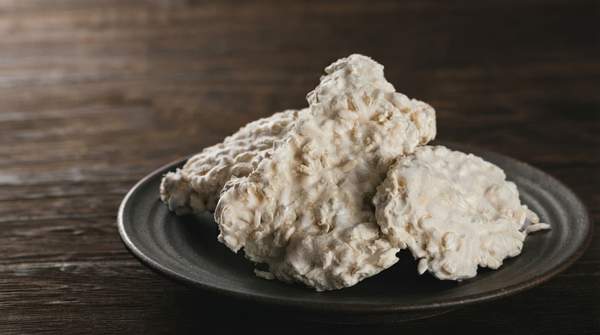
Koji is a culture of the mold Aspergillus oryzae grown on grains, and its entire culinary power comes down to two kinds of enzymes it secretes: amylases, which break starches down into sugars, and proteases, which break proteins down into amino acids. Those amino acids — most notably glutamate — are what give koji-fermented foods their savory depth. From miso and soy sauce to koji-aged charcuterie and cereal-based chocolate alternatives, the same enzymatic logic underlies every application.
What is Koji? The Microorganism Behind the Magic
Koji begins as seed spores, known as tane koji, sprinkled over steamed rice, barley, or soybeans. The fungus is then cultivated under temperature conditions chosen to suit its growth. As the mold propagates through the grains, its enzymes break down the starches and proteins within them into sugars and amino acids, transforming a plain cooked grain into a living flavor engine.
The Tokyo Foundation, which has documented koji's role in Japanese food culture, notes that the finished culture varies depending on the seed koji and grain used — rice koji, barley koji, and bean koji each behave differently. That variety matters because brewers and cooks select particular koji for particular products: soy sauce, miso, sweet rice wine, vinegar, shochu, amazake, and pickles all begin with a culture tailored to the job.
It is worth being precise about terminology. Koji is not the mold alone, and it is not the finished food. It is the grain-and-fungus culture stage — the moment when Aspergillus oryzae has digested its substrate just enough to be useful. Everything koji does downstream, whether in a miso vat or a modern restaurant kitchen, follows from what happens during that cultivation.
The Science of Flavor: How Koji's Enzymes Work
The scholarly literature describes koji bluntly as a "powerhouse of enzymes." A study of koji's global marketplace, citing work by Shih and Umansky, attributes this reputation to the high concentration of amylases and proteases the mold produces. These enzymes do something no human cook can do directly: they dismantle the large, flavorless molecules that store energy and structure in food and convert them into small molecules the tongue can taste.
Each enzyme is a specialist. Amylases target starches; proteases target proteins. The outputs are chemically simple — sugars on one path, amino acids and flavor peptides on the other — but sensorially rich. The sugars read as natural sweetness; the amino acids, above all glutamate, read as umami, the savory "fifth taste" that makes broths and aged foods feel deep and rounded.
What makes koji unusual among fermentation agents is that this enzymatic work happens before any other microbe needs to be involved. Yeasts and bacteria arrive later and consume what koji has prepared, as a review of Aspergillus oryzae protease research explains: the amino acids and peptides protease produces supply nutrients for yeasts and lactic acid bacteria, forming the material basis for further flavor formation in products like soy sauce.