Ask where Antico Pizza Napoletana gets its inspiration, and Naples seems like the obvious answer. The restaurant’s name announces its Italian roots, its ovens came from Naples, and its menu celebrates the ingredients and techniques associated with traditional Neapolitan pizza.
Yet Giovanni Di Palma, the man who opened Antico in Atlanta in 2009, has always given a more expansive answer. When Eater Atlanta asked about his inspiration in 2012, he credited his experiences in New York and Naples, along with visits to other celebrated pizzerias.
That mixture of influences helped shape the restaurant whose pizzas eventually became the foundation of Antico Casa. The story begins with two cities that love pizza intensely, even if they have developed rather different ways of making and eating it.
Naples Was the Inheritance
Di Palma’s connection to Naples reaches into his family history. His grandparents came from an Italian village near the city, and he later traveled there to reconnect with relatives and spend time learning traditional pizza-making methods.
In a 2013 interview with Restaurant Informer, he described working in local pizzerias and learning the Verace Artigianale approach. The experience shaped his belief that pizza making was a skilled craft requiring practice, commitment, and respect for ingredients.
Those convictions were visible when Antico opened in Atlanta. The restaurant used Italian flour, San Marzano tomatoes, buffalo mozzarella, and ovens imported from Naples, making its culinary inspiration apparent before anyone took a bite.
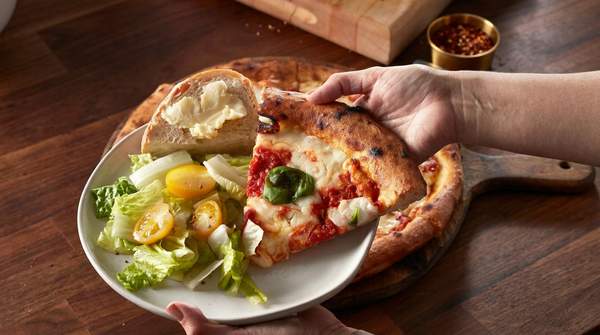
Traditional Neapolitan pizza has a particular character. The dough is shaped into an individual pie with a raised outer rim, then baked rapidly at high temperature. The crust develops browned spots and an airy edge while the center remains comparatively soft.
Its best-known topping combinations are similarly restrained. Margherita uses tomato, mozzarella, basil, and olive oil, allowing the ingredients and dough to define the pizza without an elaborate collection of additions.