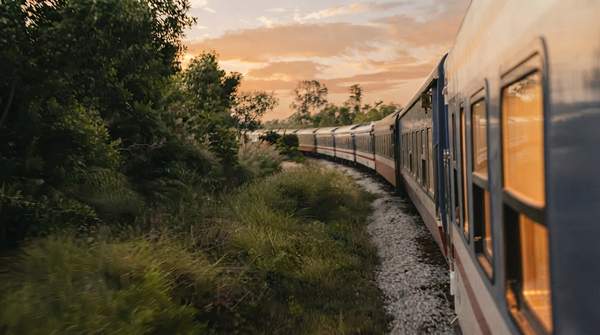
Slow travel is a way of seeing the world that swaps speed and checklist sightseeing for longer stays, local connection, and lighter-footprint choices. It is not merely about moving slowly; it is a planning philosophy that shapes how you get there, where you sleep, and what you leave in your wake. The good news for the discerning traveler is that the mindset converts directly into concrete decisions — a framework you can apply to your very next booking, one choice at a time.
What Is Slow Travel? Beyond Just "Traveling Slowly"
Slow tourism emerged over recent decades as a direct response to mass tourism, which — as the European policy platform Interreg Europe describes it — "often prioritizes quantity over quality, leading to environmental degradation, cultural erosion, and unsustainable practices." The movement traces its lineage to the broader slow philosophy, and most accounts anchor it to Slow Food, which began in Rome in 1986 as a reaction against fast-food culture. As the travel site Nature Travel Lab summarizes its lineage, the core principles have held steady ever since: less rush, more quality, and greater attention to local identity.
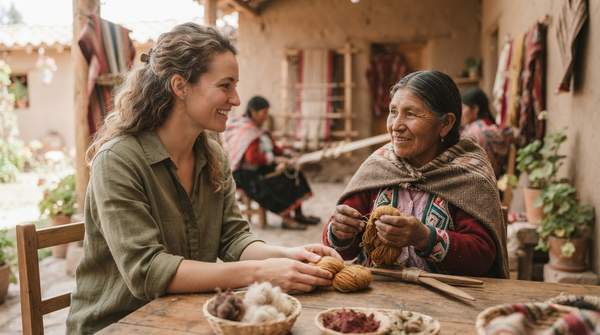
Synthesizing the definitions across sources, three pillars carry the philosophy. Sustainability means minimizing environmental impact through low-impact transport, support for local economies, and responsible behavior that protects natural and cultural resources — an approach Interreg Europe frames as helping preserve both environment and community for future generations. Cultural authenticity means engaging with local customs, traditions, and ways of life rather than observing them from a tour bus window. Deceleration means extended engagement in one place — the deliberate opposite of what researchers call the "checklist" mentality of rushing through destinations to see as many sites as possible.
A manifesto-style articulation from the Italian retreat Casa di Langa, writing from the movement's home territory, frames the philosophy as "a conscious and authentic way of traveling, inviting travelers to live each stage of their journey with intensity and sensitivity" — favoring a calmer pace that permits complete immersion, active participation in local traditions, and spending that favors local accommodations, artisans, and producers to promote balanced and sustainable economic growth.
What distinguishes slow travel from an ordinary long holiday is intention. A slow traveler does not simply stay somewhere longer; the longer stay is the mechanism through which genuine understanding happens. As Casa di Langa puts it, cultural immersion leads to a deep grasp of the unique peculiarities and nuances of a territory, leaving indelible memories far removed from a simple tourist visit. The length of stay is the means; the depth of connection is the end.