The Mediterranean and Greek diet is not merely a collection of recipes, but a centuries-old philosophy for a vibrant life. Its principles are deeply intertwined with the culture, history, and sun-drenched landscapes of the Mediterranean Sea. This way of eating celebrates fresh, whole foods, focusing on abundance and nourishment rather than restriction.
In a world of fleeting dietary trends and complex nutritional rules, the Mediterranean diet stands apart. It’s not a modern invention but an enduring pattern of eating observed for generations in countries like Greece, Italy, and Spain. This approach has garnered significant attention for its focus on plant-based foods and healthy fats, but to truly understand it is to appreciate its holistic nature. According to a study in PMC, the word "diet" itself derives from the Greek "diaita," which means "lifestyle" or "way of life." This single word captures the essence of the approach: it’s a social and cultural practice, encompassing everything from how food is grown and harvested to the cherished act of sharing a meal.
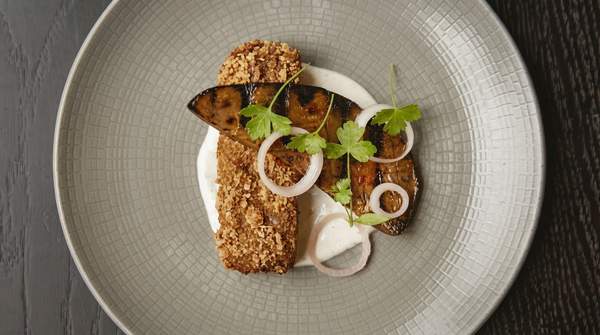
What Is the Mediterranean Diet?
The Mediterranean diet is a flexible framework emphasizing vegetables, fruits, nuts, legumes, fish, and whole grains, built on traditional dietary patterns of the Mediterranean region. Its foundation is overwhelmingly plant-based, drawing richness from the earth. Healthy fats, primarily from olive oil, provide signature silkiness and satiety, creating a culinary approach focused on balance, flavor, and deep-seated nourishment.
This dietary pattern is defined by its abundant inclusions rather than restrictions, focusing on nutrient density and flavor to create satisfying, wholesome meals. Its core components form a powerful nutritional philosophy:
- An Abundance of Plant Foods: Vegetables, fruits, legumes (like lentils, chickpeas, and beans), nuts, and seeds form the foundation of every meal.
- Whole Grains: Foods like whole-wheat bread, brown rice, quinoa, and barley are preferred over refined grains, providing essential fiber and nutrients.
- Healthy Fats: Extra-virgin olive oil is the principal source of fat, used for everything from cooking to dressing salads. Avocados, nuts, and seeds also contribute beneficial unsaturated fats.
- Lean Proteins: Fish and seafood are consumed regularly, at least a couple of times a week, while poultry, eggs, and dairy (like cheese and yogurt) are eaten in moderate portions.
- Limited Red Meat and Sweets: Red meat is eaten infrequently, often reserved for special occasions, and sugary foods and drinks are treated as occasional indulgences.
Key Components of the Traditional Greek Diet
The culinary traditions of Greece and Crete are the cradle of the Mediterranean diet, where its principles are woven into the fabric of daily life. A small village on the Cretan coast exemplifies this, with air seasoned by wild oregano and Aegean spray. A deceptively simple lunch—a salad of sun-ripened tomatoes, crisp cucumber, briny Kalamata olives, glistening under golden-green extra-virgin olive oil, and topped with tangy feta—profoundly showcases this way of eating.
The historical roots of this diet are deep. The PMC article notes that its origins can be traced to Middle Ages eating habits, which themselves were influenced by ancient Roman and Greek traditions that identified bread, wine, and oil as foundational symbols. This ancient trinity remains central. The olive tree, in particular, is an icon of the region, and its fruit yields the liquid gold that defines Mediterranean cooking. According to the Mayo Clinic, healthy fats, especially extra-virgin olive oil, are a cornerstone of the diet, replacing butter and other less healthy fats.
The Mediterranean diet's food list allows all fruits and vegetables, encouraging variety and seasonal eating, as noted by MyCardiologist.com. This source also lists specific cheeses like yogurt (regular or Greek), Mozzarella, Blue cheese, and Swiss cheese as part of the diet, typically enjoyed in moderation. A typical Greek table might feature:
- Horiatiki (Village Salad): The classic Greek salad, which never includes lettuce but is a vibrant mix of fresh tomatoes, cucumbers, red onion, and olives, seasoned with oregano and dressed simply with olive oil.
- Legumes as a Mainstay: Dishes like fasolada (a hearty white bean soup) or fakes (a simple lentil soup) are staples, turning humble legumes into deeply satisfying meals.
- Seasonal Greens (Horta): Wild or cultivated greens are often foraged, boiled, and served with a squeeze of lemon and a drizzle of olive oil—a testament to the diet's connection to the local landscape.
- Fresh Seafood: Grilled octopus, baked sardines, or a simple piece of sea bass seasoned with herbs reflect the diet's reliance on the sea for lean protein.
The Nutritional Landscape of the Mediterranean Plate
The Mediterranean diet's appeal stems from its nutritional profile, which prioritizes the overall quality and synergy of whole foods over macronutrient ratios or calorie counting. PMC research characterizes the diet by its balanced use of foods rich in fiber, antioxidants, and unsaturated fats. Each component plays a specific, supportive role, creating a beneficial and delicious eating pattern that researchers study as a whole, not isolated parts.
In fact, a Harvard source, available via dash.harvard.edu, reports on an evaluation of the contribution of nine widely accepted components of the Mediterranean diet, underscoring the scientific interest in understanding how these elements work together. The high intake of vegetables, fruits, nuts, legumes, and fish contributes a wealth of vitamins, minerals, and phytonutrients. The emphasis on whole grains provides sustained energy and dietary fiber, which is crucial for digestive health. Meanwhile, the reliance on extra-virgin olive oil delivers monounsaturated fats and polyphenols, compounds known for their antioxidant properties.
The Mediterranean plate is compelling due to its nutrient synergy: tomatoes offer lycopene, spinach provides iron and folate, and grilled salmon contributes omega-3 fatty acids. This holistic system ensures every ingredient serves a purpose, enhancing flavor, texture, and nutritional integrity. Focusing on diverse whole foods naturally limits processed items, added sugars, and unhealthy saturated and trans fats, creating an inherently balanced and nourishing diet.
How to Incorporate Mediterranean Principles Into Your Daily Life
Adopting the Mediterranean diet involves making gradual, sustainable shifts in everyday habits, not a dramatic overhaul. This 'diaita,' or way of life, is flexible, inviting intentional cooking and eating with more color and flavor. The easiest way to begin is by focusing on additions rather than subtractions.
Transform your pantry and plate with these simple steps:
- Make Olive Oil Your Primary Fat: Swap butter and other cooking oils for extra-virgin olive oil. Use it to sauté vegetables, create salad dressings, or even drizzle over finished dishes for a pop of peppery flavor. The aroma of garlic gently sizzling in warm olive oil is the quintessential start to so many Mediterranean meals.
- Build Your Plate Around Vegetables: Aim to fill at least half of your plate with vegetables at every meal. This could be a large salad, a side of roasted broccoli, or a medley of grilled zucchini and bell peppers. Experiment with seasonal produce to keep things interesting.
- Eat Fish Twice a Week: Incorporate fatty fish like salmon, mackerel, herring, and sardines into your weekly routine. They are rich in omega-3 fatty acids. Try baking a fillet with lemon and herbs or adding canned sardines to a whole-wheat pasta dish.
- Rethink Your Relationship with Meat: Treat meat as a supporting actor rather than the star of the show. Use small amounts of red meat to flavor a vegetable stew or a pot of beans, rather than serving a large steak as the centerpiece. Prioritize poultry and save red meat for occasional meals.
- Embrace Legumes and Whole Grains: Make beans, lentils, and chickpeas a regular part of your diet. Add them to soups, salads, or make hummus for a satisfying snack. Switch from white bread and pasta to their whole-grain counterparts to increase your fiber intake.
- Snack Smarter: Reach for a handful of unsalted nuts, a piece of fresh fruit, or a bowl of Greek yogurt instead of processed snacks. These options provide sustained energy and valuable nutrients.
- Savor Your Meals: Perhaps the most important principle is to embrace the social and pleasurable aspects of eating. Whenever possible, share meals with family and friends. Take your time, put away distractions, and truly taste your food. This mindful approach is a core part of the Mediterranean lifestyle.
Why This Ancient Way of Eating Matters Today
The Mediterranean diet's history is a fascinating story of cultural exchange, offering a connection to something deeper than just healthy eating. A PMC article explains its foundations in ancient Greek and Roman traditions were enriched by other cultures: Muslim influence introduced sugar cane, rice, citrus, eggplant, and spinach; the Americas brought potatoes, tomatoes, corn, and peppers. This evolution demonstrates it is a living, adaptable tradition, not a static museum piece.
The Mediterranean diet addresses contemporary sustainability concerns by emphasizing plant-based foods and local, seasonal produce. This naturally leads to a smaller environmental footprint compared to diets heavy in red meat and processed foods. Prioritizing plants nourishes the body and supports the planet, aligning with the desire to understand food origins explored in our guide to product sustainability labels.
The Mediterranean diet highlights food as a source of joy, connection, and vitality. It encourages a return to the kitchen, emphasizing the pleasure of cooking with fresh ingredients and gathering at the table as a place of community. This approach nourishes the body, mind, and spirit, fostering vibrancy in communities and transforming the act of eating into a daily celebration of life.
Frequently Asked Questions
Is the Mediterranean diet the same as the Greek diet?
The Greek diet is a primary example of the Mediterranean diet, but they are not exactly the same. The Mediterranean diet is a broader term describing the eating patterns of various countries bordering the Mediterranean Sea. The traditional Greek diet, especially that of Crete, is often considered the gold standard or archetype because it was one of the first to be extensively studied and is a very pure representation of the core principles: high intake of olive oil, fruits, vegetables, and legumes.
Can I drink wine on the Mediterranean diet?
Moderate consumption of wine, particularly red wine, with meals is a traditional component of the Mediterranean lifestyle. As noted in historical research from PMC, wine, along with bread and oil, formed a symbolic trinity in the region's culinary traditions. However, moderation is key. This typically means no more than one glass per day for women and up to two glasses per day for men, always enjoyed as part of a meal.
What kind of cheese is allowed on the Mediterranean diet?
Cheese and other dairy products are eaten in moderation. According to a food list from MyCardiologist.com, allowed varieties include yogurt (both regular and Greek), as well as cheeses like Mozzarella, Blue cheese, and Swiss cheese. Traditional Greek cheeses like feta are also common. They are typically used as a flavorful garnish on salads or as part of a savory pie, rather than being consumed in large quantities.
Do I have to count calories on the Mediterranean diet?
The Mediterranean diet does not involve counting calories or tracking macronutrients. Instead, it focuses on the quality, type, and variety of foods consumed. By emphasizing whole, nutrient-dense foods—like vegetables, fruits, whole grains, and healthy fats—the diet naturally satiates and aids portion control. It encourages mindful eating, listening to hunger and fullness cues, and savoring food's flavors and textures.
The Bottom Line
Beyond simple dietary recommendations, the Mediterranean diet offers a flavorful, flexible, and satisfying approach to eating and living. It emphasizes an abundance of plant-based foods, healthy fats from olive oil, and the joy of sharing meals with others. To begin adopting this lifestyle, simply add more vegetables to your plate and make extra-virgin olive oil your primary fat in the kitchen.


