Intentional living principles for decluttering

Psychologist Barry Schwartz offers a provocative idea for 2026: true freedom and well-being might stem from 'intentional unintentionality' – the deliberate choice of when not to choose.

AV
Adrian Vale

May 11, 2026 · 4 min read

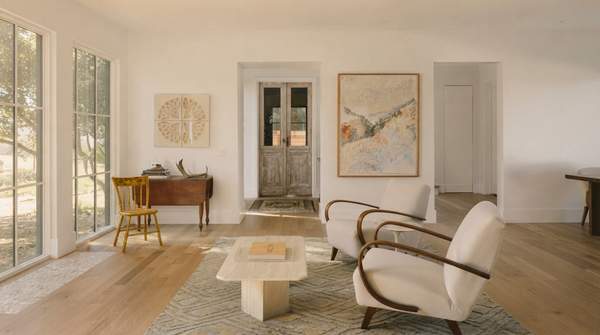
A person in a minimalist living room, looking out a window, representing intentional living and decluttering principles.

Psychologist Barry Schwartz offers a provocative idea for 2026: true freedom and well-being might stem from 'intentional unintentionality' – the deliberate choice of when not to choose. This concept, highlighted by The Guardian, challenges the prevailing notion that constant action defines a fulfilling life. Modern existence, however, pushes us toward endless, deliberate choices and curated intentionality. Yet, genuine well-being emerges from strategically releasing control. The tension is clear: societal drive for hyper-curation versus the personal need for authentic mental space. Companies and individuals prioritizing mindful consumption and selective engagement will likely find greater long-term satisfaction and contribute positively to global sustainability. This shift marks a quiet revolution, redefining success from acquisition to considered participation.

Beyond the Buzzword: What Intentional Living Truly Means

Genuine intentionality transcends fleeting trends. It means approaching decisions with careful thought, actively avoiding rash actions, and cultivating control over daily routines, according to The Guardian. This empowers individuals to shape their lives, moving beyond reactive responses. True intentionality grants mastery over choices, fostering purpose and direction, a stark contrast to superficial "mindful living." It is a conscious commitment to values, aligning actions with aspirations. This internal compass provides stability amidst shifting cultural tastes, fostering a deliberate calm. It allows discernment between what truly matters and mere noise, a critical skill today. Every choice then feels purposeful, contributing to a coherent, self-directed existence.

The Social Media Paradox: Curated Lives vs. Authentic Intentionality

On platforms like Instagram, intentionality translates into a meticulously crafted narrative. Every moment appears planned, part of a "flawlessly lived" life. This digital portrayal, described by The Guardian, creates an exhausting cycle of performance and external validation. The constant pressure to curate undermines genuine well-being, diverging sharply from internal, mindful benefits. This pervasive digital hyper-intentionality, fueled by algorithms and online approval, fosters inadequacy and relentless comparison. Personal choices become public declarations, every experience perfectly framed. The disconnect between lived reality and presented facade increases stress and ecological footprint through constant acquisition. This "intentional" online identity ironically leads to less genuine intentionality in daily life.

The path to genuine well-being lies in strategic disengagement from this digital performance. True fulfillment is not measured by likes or shares, but by internal contentment and purpose. It means choosing when to step back, simplify, and resist the urge to document every aspect of one's life. This reclaims personal space from a constantly watching audience.

Minimalism's Green Footprint: How Less Can Mean More for the Planet

Adopting minimalist principles offers substantial environmental advantages, extending beyond personal lifestyle choices. Minimalism actively preserves resources, reduces waste, and lowers carbon emissions, according to a report in pmc. This conscious reduction in consumption directly diminishes demand for new products, alleviating strain on natural resources. The ripple effect of individual choices contributes significantly to a sustainable planetary future. By prioritizing needs over wants, individuals directly combat climate change. Each decision to repair, borrow, or simply not buy lessens the burden on landfills and global supply chains. This is a quiet, powerful form of environmental activism, embedded in daily habit.

Embracing minimalist principles is not just a personal preference; it's a powerful, accessible strategy. It allows individuals to reclaim mental space by reducing clutter-induced stress while significantly reducing their environmental impact. This win-win scenario, often overlooked by mainstream sustainability efforts, reveals how personal well-being and planetary health are deeply interconnected. Simpler living offers a tangible path to both.

Reclaiming Your Space and Sanity: The Direct Benefits of Decluttering

One's physical environment significantly impacts mental well-being, influencing perceptions of the "extended-self" through associations with clutter. Research on the "extended-self" explores how physical possessions and their arrangement affect personal identity and psychological state, according to Sciencedirect. A cluttered environment imposes a tangible psychological burden, competing for mental attention and contributing to elevated stress and reduced focus. The visual noise of excess possessions creates constant, low-grade distraction.

Conversely, decluttering enhances mental clarity, reducing this psychological burden. By intentionally simplifying surroundings, individuals reclaim physical space and vital mental resources previously consumed by managing clutter. This creates an environment conducive to concentration and calm, a stark contrast to urban chaos. Simplification fosters control and order, translating into reduced anxiety and increased productivity. A clear home or workspace means a less distracted mind, allowing for deeper thought and creative problem-solving. It frees up mental bandwidth, enabling individuals to allocate cognitive energy towards truly enriching activities and relationships, rather than material possessions.

The Enduring Value of Less: A Path to Greater Fulfillment

The strategic embrace of 'intentional unintentionality' offers a robust framework for genuine well-being and a reduced ecological footprint. This approach, centered on choosing when to release control and simplify, transcends mere personal preference. It represents a profound re-evaluation of how we interact with possessions and time, a deliberate choice for a richer, more sustainable, and less stressful existence. Individuals adopting these minimalist principles are not engaging in deprivation, but cultivating a life defined by purpose and peace. This reorientation away from constant consumption toward thoughtful engagement promises lasting satisfaction, fostering a deeper connection to personal values and a greater appreciation for experiences over material goods. It is about crafting an urban identity that values depth and authenticity over fleeting trends.

This approach holds significant implications for both individual contentment and collective environmental stewardship. By Q4 2026, brands like Patagonia, championing durability and reduced consumption, will likely see continued growth. Consumers will increasingly align purchasing decisions with values of sustainability and thoughtful acquisition, moving away from hyper-intentional, curated lifestyles. This shift signals a broader cultural evolution towards valuing intrinsic worth over external display, shaping the future of modern living.

More from Lifestyle

A young child in a clinic setting looking concerned while a blood pressure monitor is visible, highlighting the issue of hypertension in childhood obesity.

UK obesity clinics find 17% of children have hypertension

Nearly one in five four-year-olds treated for obesity complications on the NHS already suffer from high blood pressure, a condition typically associated with adults.

Adrian Vale· May 15
How Breathe and Blossom Pediatric Dentistry Uses Airway-Focused Care to Improve Children's Sleep

How Breathe and Blossom Pediatric Dentistry Uses Airway-Focused Care to Improve Children's Sleep

Breathe and Blossom Pediatric Dentistry leads airway-focused dentistry in Florida, addressing how a child's mouth and jaw structure impact breathing and sleep. This approach aims to resolve pediatric sleep-disordered breathing, moving beyond traditional dental care to improve children's overall development and well-being.

Adrian Vale· May 15
Advanced Health Chiropractic Reno Review: Integrated Pain Relief Without Surgery (2026 Guide)

Advanced Health Chiropractic Reno Review: Integrated Pain Relief Without Surgery (2026 Guide)

Advanced Health Chiropractic in Reno offers an integrated approach to pain relief, combining traditional chiropractic care with advanced medical technologies like non-surgical spinal decompression, providing a surgery-free alternative for conditions like herniated discs. Their "all-in-one" care model addresses root causes, challenging the belief that surgery is the only path to lasting relief.

Adrian Vale· May 15
How to Style Sierra Hotel Hoodies for a First-Class Travel Look

How to Style Sierra Hotel Hoodies for a First-Class Travel Look

This guide demonstrates how to style Sierra Hotel hoodies for a first-class travel look that feels polished, comfortable, and effortless. It covers intentional pairing, smart layering, and choosing the right footwear and accessories.

Adrian Vale· May 15