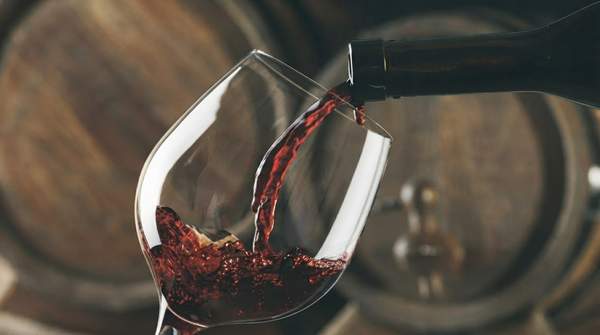
In a recent study, scientists screened over 30,000 grapevine genes, identifying 102 clusters whose expression, covering 80% of total variance, is significantly shaped by soil conditions. This genetic mapping reveals how a vineyard's unique environment directly manipulates the vine's blueprint, influencing future food and beverage flavors. It offers a tangible glimpse into the molecular choreography defining a wine's character.
For generations, terroir has been an elusive, mystical quality—a romanticized 'sense of place' whispered among vintners. Now, science precisely quantifies its genetic and microbial underpinnings, moving beyond anecdote to concrete biological evidence.
As this understanding deepens, producers will gain unprecedented control over flavor profiles. This could lead to more consistent, high-quality products and new definitions of authenticity, redefining what it means to craft a distinctive wine or food.
Defining the 'Sense of Place'
The International Organisation of Vine and Wine (OIV) formally defined vitivinicultural terroir in 2010, acknowledging its multifaceted nature. This definition broadly includes natural environmental factors and human practices, suggesting a holistic view where human intervention is as integral as geology. However, scientific studies increasingly isolate terroir's drivers to genetic and microbial interactions influenced by natural conditions, diverging from the OIV's broader scope. Research in PMC shows environmental conditions and cultivation practices influence vine physiology and grape quality, including aromatic characteristics, tied to varietal behavior and plasticity. This scientific focus shifts understanding from cultural practice to quantifiable biological response, suggesting a future where terroir is less about tradition and more about precise biological engineering.
The Environmental and Genetic Blueprint
Specific environmental elements directly translate into a genetic response within grapevines, forming a unique biological blueprint for flavor. Limited water supply, for instance, is critical for achieving suitable grape composition in high-quality red wines, as discussed in Elements Magazine. This stress forces the vine to concentrate resources, intensifying compounds crucial for color and flavor. Varying site altitude and distinct pedoclimatic conditions also lead to diverse berry ripening dynamics, according to research in PMC. These variations directly affect technological parameters and the development of phenolic compounds, key contributors to a wine's aroma, taste, and mouthfeel. The vine's genetic 'plasticity' adapts its expression to these local conditions. This means winemakers can potentially manipulate these environmental levers to sculpt specific flavor profiles, moving beyond reactive farming to proactive flavor design.
The Unseen Architects: Microbial Communities
Beyond the vine's genetic response, unseen microbial communities act as architects of terroir, significantly shaping fermented products. Research in PMC shows bacterial and fungal diversity differs significantly across fermentation stages in both vineyard and winery. This dynamic population contributes unique metabolic byproducts, directly influencing a wine's aromatic complexity and texture. The same study even discovered members of the Hyphomicrobium genus in winemaking for the first time. These previously unknown genera introduce novel enzymatic activities and fermentation pathways, adding layers of complexity to terroir expression. This means a wine's 'sense of place' extends to the microscopic life thriving within the vineyard and winery, offering a new frontier for targeted flavor development.
From Soil to Sensory: Impact on Quality
Understanding terroir's genetic and chemical underpinnings directly impacts product quality and flavor. Analysis of grapevine gene clusters revealed soil significantly affects functional categories, with the top 30 clusters accounting for about 70% of total gene expression variance, according to Eurekalert. This shows soil conditions profoundly influence the genetic machinery for grape development and wine characteristics. While soil minerals aren't directly tasted, specific concentrations can impact flavor. For example, aluminum (Al) above 5 mg/L in wine creates a metallic taste and hydrogen sulfide smell, per PMC. This clarifies that while general soil might not be tasted, specific elements can introduce undesirable sensory notes. Terroir's influence is dual: it fosters desirable traits through optimal interaction but can also introduce defects if conditions are imbalanced. Grasping these genetic and chemical influences is crucial for enhancing desirable characteristics and preventing undesirable ones, allowing winemakers to mitigate risks and cultivate specific profiles.
Common Questions About Terroir
What is terroir and how does it affect wine?
Terroir, formally recognized by the OIV, combines unique natural environmental factors and human viticultural practices. It shapes grapevine gene expression and fosters distinct microbial ecosystems, dictating grape development and fermentation. This intricate connection yields wines with a characteristic 'sense of place,' moving beyond intuition to quantifiable scientific drivers.
How does soil type affect food taste?
Soil minerals and character are not directly tasted in wine. Instead, their effect on the grape ripening process imparts a 'sense of place,' as noted in Elements Magazine. Soil influences taste indirectly by mediating water supply and nutrient uptake, altering the plant's metabolic activity and developing flavor compounds within the fruit.
Examples of terroir in food and drink?
Terroir extends beyond wine. High-altitude volcanic soils in Ethiopia yield coffee beans with distinct floral and citrus notes. Parmigiano-Reggiano cheese gains its unique profile from local grasses and the specific microbial environment of its aging caves in Italy. These examples show how local conditions impart unmistakable characteristics to diverse culinary items.
Can climate change impact terroir?
Climate change significantly challenges established terroirs by altering crucial environmental factors like temperature, rainfall, and growing seasons. These shifts disrupt the delicate balance defining a region's unique products, potentially changing grape ripening, flavor development, and crop viability. Adapting viticultural practices and varietal selection becomes essential to preserve terroir's authenticity.
The Future of Flavor and Place
The scientific quantification of terroir's genetic and microbial underpinnings signals a revolution in winemaking. Traditional intuition is giving way to precision agriculture and genetic engineering, promising unprecedented control over wine quality and regional distinctiveness. Producers will gain tools to navigate environmental challenges and enhance product attributes. Ignoring these precise mechanisms risks leaving land and varietals untapped, clinging to a romanticized terroir that science is demystifying. Embracing these advancements is crucial for the future of flavor. Research into varietal 'plasticity' further shows terroir's dynamic influence. A study on the Glera grapevine, used for Prosecco, across varying altitudes and pedoclimatic conditions (PMC) highlighted how a single grape variety expresses vastly different characteristics based on its terroir. This adaptability suggests that in the coming years, vintners like those at the Consorzio Tutela Prosecco DOCG will likely leverage advanced genetic profiling to optimize vineyard management, enhancing Glera's unique qualities and ensuring Prosecco's distinctiveness in a changing climate.