The Modern Dispatch
LifestyleCultureProductsFood & Drink
The Modern Dispatch

Curating Contemporary Culture, Thoughtfully Delivered.

The Modern Dispatch explores the intersection of lifestyle and culture, offering insightful perspectives on trends, travel, food, and the people shaping our world. We deliver quality content with a sophisticated edge, providing readers with a curated view of modern living.

Sections

  • Lifestyle
  • Culture
  • Products
  • Food & Drink
  • Travel
  • Trends
  • Experiences

Writers

Meet our writers →

Trending Topics

Mental HealthSummer FashionTravel TipsWell BeingMarket TrendsTrendsArt Therapy

About

  • Contact
  • Privacy Policy
  • Terms of Service

© 2026 The Modern Dispatch. All rights reserved.

  1. Home
  2. /Food & Drink
  3. /What Is the Science Behind Fermentation and Its Modern Health Benefits?
Food & Drink

What Is the Science Behind Fermentation and Its Modern Health Benefits?

Fermented vegetables boast vitamin B12, a crucial nutrient that isn’t otherwise available from plant sources, according to Cedars-Sinai .

CR
Camila Roque

July 10, 2026 · 7 min read

Close-up of bubbling fermentation jars filled with vibrant vegetables and grains, illustrating the science of microbial transformation for health.

Fermented vegetables boast vitamin B12, a crucial nutrient that isn’t otherwise available from plant sources, according to Cedars-Sinai. This unique capacity to deliver vital nutrients through microbial action expands dietary possibilities for many individuals. The process transforms simple ingredients into complex, nutrient-rich foods that nourish the body in unexpected ways, offering a distinct flavor profile from the subtle tang of lacto-fermented carrots to the deep umami of miso.

However, while ancient fermentation techniques offer significant health benefits, their reliance on undefined microbial communities can introduce modern safety and consistency concerns. This tension arises from traditional practices meeting contemporary food safety standards, creating an inherent variability in the final product. The very methods that bestow these benefits also carry unquantifiable risks for consumers and producers alike.

While the scientific understanding of fermentation's benefits is growing, the future of fermented foods will likely involve a balance between traditional wisdom and controlled, scientifically-backed production methods to ensure both efficacy and safety. This approach aims to harness the full potential of fermented foods responsibly by 2026, delivering reliable health outcomes.

The International Scientific Association of Probiotics and Prebiotics (ISAPP) formally defines fermented foods as products created through desired microbial growth and enzymatic conversions of food components, as reported by Gutmicrobiotaforhealth. A formal recognition of fermented foods highlights a shift from anecdotal tradition to scientific scrutiny, acknowledging the complex biological processes involved. The transformation of raw ingredients into items like tangy kimchi or effervescent kombucha challenges conventional dietary wisdom by making unexpected nutrients accessible and creating distinct sensory experiences.

The Microbial Alchemy: How Fermentation Transforms Food

Microorganisms like bacteria and yeast initiate the complex process of fermentation, converting starches and sugars in food into a variety of new compounds, including alcohol, lactic acid, and carbon dioxide, according to Gutmicrobiotaforhealth. This intricate transformation alters the food's texture, flavor, and chemical composition, often imbuing it with a pleasant tartness or a deeper, more savory character. For instance, the crispness of a fresh cabbage evolves into the distinctive crunch and sourness of sauerkraut, a testament to the microbes' transformative power.
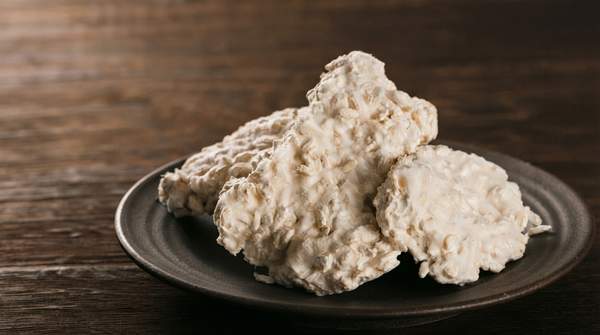

Lactic acid bacteria (LAB) are particularly active in this process, producing lactic acid, acetic acid, ethanol, and additional carbon dioxide as primary end products, as detailed in fermented foods, health and the gut microbiome - pmc. These microbial byproducts are not merely waste; they are central to the preservation and unique characteristics of fermented foods. The pungent aroma of aged cheese or the sharp tang of sourdough bread are direct results of this microbial activity, creating distinct culinary profiles that have been cherished for centuries.

The accumulation of these organic acids and alcohol significantly increases the food's acidity, which actively inhibits the growth of spoilage-causing microorganisms and enzymes. This natural acidification extends the shelf-life of foods, a critical benefit in ancient culinary practices, also noted by fermented foods, health and the gut microbiome - pmc. Fermentation thus stands as a complex biochemical process where microbes convert food components into new compounds, fundamentally altering its composition and extending its viability, making foods last longer while enhancing their flavor and nutritional profile.

Beyond Basic: Nutritional Enhancement and Bioactive Compounds

Lactic acid bacteria (LAB) actively synthesize essential vitamins and minerals during the fermentation process, further enhancing the nutritional profile of foods, according to health benefits of fermented foods. These industrious microbes also produce biologically active peptides, which are small protein fragments with various physiological functions, and work to remove non-nutrients, improving the food's bioavailability and overall health impact. This means a humble cabbage becomes a powerhouse of enhanced nutrition through microbial transformation, offering more than its raw form.

Fermented foods often contain live, or sometimes inactive, microorganisms capable of populating the gut with beneficial bacteria, thereby boosting the food's nutritional value and promoting healthy digestion, states Cedars-Sinai. The presence of these microbes adds a dynamic element to the food, contributing to a more balanced internal environment. The tangy bite of yogurt, for example, delivers not only protein but also a living community designed to support digestive wellness, contributing to a richer and more complex internal ecosystem.

The microbial activity during fermentation extends beyond simple digestion, actively enriching foods with essential nutrients and beneficial compounds that support overall health. This intricate biochemical interplay transforms basic ingredients into functional foods, offering more than just sustenance. Companies shipping traditionally fermented products, while touting benefits like plant-based B12, are implicitly asking consumers to trust an "undefined microbial community" that could deliver inconsistent nutrition or introduce safety hazards, as noted by Nature. This tension between claimed benefits and inherent variability remains a significant challenge for consumers seeking consistent health outcomes.

The Gut Connection: Shaping Your Inner Ecosystem

Consumers who regularly incorporate fermented foods into their diets exhibit subtle differences in their gut microbiota structure, according to research published in consumption of fermented foods is associated with .... Variations in gut microbiota structure suggest a direct influence on the complex microbial communities residing within the digestive tract, indicating that dietary choices can actively sculpt our internal microbial landscape. The intricate balance of bacteria, fungi, and other microorganisms shifts in response to consistent dietary patterns, including the regular intake of fermented products.

Fermented foods possess the capacity to affect the gut microbiome over both short and long durations, as discussed by fermented foods, health and the gut microbiome - pmc. Their impact is not fleeting but can lead to sustained alterations in the body's inner ecosystem, promoting a more resilient and diverse microbial community. The consistent consumption of fermented foods can lead to measurable, sustained alterations in the gut's microbial ecosystem, contributing to long-term health. However, the observed "subtle differences" in gut microbiota among fermented food consumers, despite broad health claims, suggest that traditional fermentation acts as a blunt instrument for gut health, failing to consistently deliver the precise microbial interventions needed for significant therapeutic impact. A gap between potential and realized health outcomes is highlighted, suggesting a need for more targeted approaches.

Broader Health Horizons: Immune Support and Beyond

Fermented foods offer potential health benefits that extend beyond direct nutritional value, including the provision of nutrients for indigenous gut microbes and the capacity of their beneficial microbes to survive gastric transit, allowing interaction with the gut microbiome, according to fermented foods, health and the gut microbiome - pmc. This resilience enables the microbes to exert their effects throughout the digestive system, influencing systemic health by modulating immune responses and nutrient absorption. The subtle yet powerful influence of these living foods contributes to a more robust internal defense system.

Significant health benefits of fermented foods have been proposed for severe conditions such as inflammatory bowel diseases (IBD), as well as other immune-related pathologies like arthritis and sclerosis, states the International Scientific Association of Probiotics and Prebiotics (ISAPP). These therapeutic potentials suggest a far-reaching impact on overall well-being and chronic disease management, moving beyond simple digestive support. The benefits of fermented foods extend far beyond basic nutrition and gut health, offering therapeutic potential for a range of systemic and immune-related conditions. However, the same microbial processes that synthesize vital nutrients and extend shelf-life in fermented foods also create a delicate balance, where undefined microbial communities in traditional methods risk undermining their inherent preservative qualities and introducing food safety hazards, creating a dilemma for consumers seeking health without compromise.

Navigating the Landscape: Consistency and Safety Concerns

What are the primary risks associated with traditional fermentation methods?

Traditional fermentation methods often rely on undefined microbial communities, which can introduce safety and consistency concerns.can introduce instability, inconsistency, and significant food safety concerns, according to Nature. Without precise control over the microbial populations, there is an increased risk of undesirable microorganisms thriving, potentially leading to spoilage or the production of harmful compounds. This contrasts sharply with controlled fermentation, where specific starter cultures ensure predictable outcomes and a safer product.

How does scientific standardization address these risks in modern culinary uses?

Scientific standardization in modern culinary applications involves using defined starter cultures and controlled environmental conditions to ensure consistent microbial activity and product safety. This approach minimizes the variability seen in traditional methods, allowing for predictable nutritional profiles and flavors. By leveraging microbiological science, producers can guarantee a safer and more reliable fermented food product for consumers by 2026, ensuring consistent quality and beneficial effects.

Are there specific regulatory challenges for traditionally fermented products?

Regulatory bodies face challenges in categorizing and overseeing traditionally fermented products due to their undefined microbial communities, creating a definitional conflict with scientific ideals of controlled fermentation. This makes it difficult to apply standardized safety protocols or nutritional labeling, unlike products made with established starter cultures. This lack of consistent regulation can complicate market access and consumer trust for certain traditional items, requiring careful navigation for both producers and consumers.

The Future of Fermentation: Science Meets Tradition

The journey of fermentation, from ancient preservation technique to a modern health trend, reveals a complex interplay between traditional wisdom and scientific advancement. While fermented vegetables uniquely offer plant-based vitamin B12 and support gut health, the undefined microbial communities in traditional methods mean these specific nutritional and probiotic benefits are not consistently guaranteed, leaving consumers with an unpredictable health gamble. This inherent variability underscores the tension between the profound potential benefits and the practical challenges of traditional approaches, requiring a thoughtful path forward.

The International Scientific Association of Probiotics and Prebiotics (ISAPP) defines fermented foods by "desired microbial growth," yet Nature identifies "undefined microbial communities" in traditional fermentation. This fundamental definitional conflict makes it challenging to consistently categorize or regulate traditional fermented products under modern scientific standards, creating a dilemma for the industry. Consumers seeking enhanced nutrition and gut health, alongside the scientific community advancing controlled fermentation, stand to benefit most from resolving this tension through innovation and scientific rigor.

As scientific understanding grows, the future of fermented foods will likely blend ancient wisdom with modern microbiological control, maximizing both their health benefits and safety. This evolution will allow for the consistent delivery of vital nutrients and precise microbial interventions, moving beyond the "blunt instrument" of traditional methods towards more targeted health solutions. By Q4 2026, major food manufacturers like Danone and General Mills are expected to expand their lines of scientifically controlled fermented products, focusing on guaranteed probiotic counts and verified nutritional content to meet increasing consumer demand for reliable health benefits and robust safety standards.

Related Coverage from Food & Drink

  • 6 Sugar-Free Artisan Pickles I’m Absolutely Obsessed With in 2026
  • How to Find the Best Wine Pairings for Everyday Meals

Tags

FermentationHealth BenefitsGut HealthProbioticsNutritionFood ScienceVitamin B12Microbiome
CR

Camila Roque

Food & Travel Writer

Camila covers culinary scenes and travel experiences across global cities, offering a sensory-rich perspective on the world's most exciting destinations.

More from Food & Drink

What Pala Bakery Serves in West Buckhead From Pinsa Romana to Gelato

What Pala Bakery Serves in West Buckhead From Pinsa Romana to Gelato

Finding authentic Italian baked goods can be a challenge, but for residents of West Buckhead, the search leads to a local panificio and gelateria. Pala Bakery brings classic Roman-style baking and frozen desserts to Atla…

Adrian Vale· Jul 9
A sophisticated dining table setting featuring a delicious meal and two glasses of wine, symbolizing perfect food and wine pairings.

How to Find the Best Wine Pairings for Everyday Meals

Instead of fearing the wine aisle, imagine effortlessly pairing a crisp brut Champagne with a rich liver paté—a daring combination that defies conventional wisdom yet ignites the palate.

Camila Roque· Jul 9
A diverse group of young adults enjoying colorful, sophisticated mocktails in a modern bar setting, highlighting the rise of alcohol-free social gatherings.

The Rise of Mocktails: Trends, Drivers, and US Market Growth

The global mocktails market reached $5.

Camila Roque· Jul 8
6 Sugar-Free Artisan Pickles I’m Absolutely Obsessed With in 2026

6 Sugar-Free Artisan Pickles I’m Absolutely Obsessed With in 2026

The search for snacks that are both delicious and health-conscious is leading many food lovers to rediscover classic favorites with a modern twist. For pickle enthusiasts, this means moving beyond options loaded with sug…

Adrian Vale· Jul 8

Trending Now

1
Visitors marveling at a futuristic immersive art installation with dynamic light patterns, holographic projections, and interactive elements, creating a unique sensory experience.

7 Best Immersive Art Installations and Interactive Exhibits for 2026

Experiences· 19 views
2
Models on a Miami beach at sunset wearing futuristic 2026 swimwear with metallic details and thin ties, embodying high fashion.

Key Summer 2026 Swimwear Trends You Need Now

Trends· 8 views
3
Models showcase Summer 2026 fashion trends, pairing tailored suits with sophisticated flip-flops on a modern runway.

Top 10 Summer 2026 Fashion Trends: Flip-Flops to Stilettos

Trends· 8 views
4
Travelers gathered around a glowing world map showing different international travel advisory levels, with a focus on a Level 2 alert.

State Department Explains Level 2 Travel Advisories for Travelers

Travel· 4 views
5
Fashion-forward individual wearing luxurious leather flip-flop sandals on a sunny New York City street, embodying summer 2026 sandal trends.

Summer 2026 sandal trends for fashion-forward individuals

Trends· 3 views
6
A person isolated in a dark room, overwhelmed by the blue light and chaotic content of a social media feed on their phone.

Social media trends will worsen digital wellness

Lifestyle· 3 views