Despite an 8% decline in overall adult alcohol consumption since 2023, Gen Z's reported drinking in the last six months surged from 46% in 2023 to 70% in 2025, according to Extension Psu. This generational split creates a complex market for food and beverage providers. They must navigate a fragmented landscape where wellness and value are paramount, yet social consumption among younger demographics remains a key driver. Chartwells Higher Education, for instance, identifies five Fall 2026 campus dining trends: college students crave sensory experiences, convenience, and targeted wellness, signaling a shift towards personalized consumption, especially among this demographic.
Gen Z's Evolving Palate and Social Habits
Gen Z simultaneously increases alcohol consumption while prioritizing wellness, functional foods, and smaller portions. Alcohol appears integrated as a controlled social indulgence within a broader health-conscious lifestyle. This demographic drives demand for innovative, health-conscious, and flexible dining options, even as their social drinking habits diverge sharply from older generations.
1. No/Low ABV Beverages
Best for: Health-conscious consumers seeking social alternatives.
Spirit-free cocktails surged 404%, and no/low spirits rose 129%, according to Mosaicflavors. The surge in spirit-free cocktails and no/low spirits caters to individuals reducing alcohol intake while maintaining social engagement, indicating a desire for mindful celebration.
Strengths: Broad appeal; aligns with wellness. | Limitations: Perceived as less "fun" or "authentic"; premium pricing deters some. | Price: Moderate to premium.
2. Gen Z-driven Cocktail Culture
Best for: Younger adults prioritizing social and experiential drinking.
Gen Z's reported drinking in the last six months jumped from 46% in 2023 to 70% in 2025, according to Extension Psu. They favor low-ABV spritzers, dessert-inspired cocktails, small-format drinks, and the 'daycap'. Gen Z's favor for low-ABV spritzers, dessert-inspired cocktails, small-format drinks, and the 'daycap' signals a shift toward controlled, social indulgence, creating a distinct generational divide in alcohol consumption that masks the overall decline. Brands must innovate to capture this evolving social ritual.

Strengths: Captures a growing demographic; encourages mixology innovation. | Limitations: Requires constant adaptation; potential for over-indulgence. | Price: Moderate to high, often experiential.
3. Functional Foods & Beverages
Best for: Wellness-focused individuals seeking health benefits from diet.
College students prioritize targeted wellness, with functional meals and beverages at the forefront, according to Prepared Foods. Protein now drives daily choices, even in indulgent categories. 22% of students favor electrolyte drinks, and 14% choose prebiotic sodas, according to ircagroup (data from previous years). The clear demand for health-conscious, protein-enriched options, with 22% of students favoring electrolyte drinks and 14% choosing prebiotic sodas, signals a market hungry for nutrition-packed convenience.
Strengths: Addresses specific health concerns; commands premium pricing. | Limitations: Requires clear scientific backing; regulatory scrutiny. | Price: Often premium.
4. Premiumization of Alcohol ('Drink Less, Buy Better')
Best for: Discerning adult consumers reducing quantity for quality.
Adult alcohol use dropped 8% from 2023 to 54% in 2025, according to Extension Psu (data from previous years). Shoppers now choose one great bottle over stocking up, according to topshelfstores. The choice of shoppers to buy one great bottle over stocking up marks a clear shift from staple consumption to targeted, quality-driven purchases, demanding brands elevate their craft and narrative.
Strengths: Higher profit margins; appeals to sophisticated palates. | Limitations: Smaller market volume; requires strong brand storytelling. | Price: High, justifying quality.
5. Right-Size Indulgence & Smaller Portions
Best for: Consumers managing diet while still enjoying treats.
Right-size indulgence redefines treats with mini formats, smart portions, and versatile bites, according to ircagroup. Students, for example, favor smaller, more frequent portions, driving concepts like customizable protein bento boxes and snacking street foods, according to Prepared Foods. The trend of right-size indulgence and smaller portions supports controlled consumption and flexible dining, a crucial adaptation for a health-conscious market.
Strengths: Reduces guilt; allows variety; aligns with GLP-1 drug impact. | Limitations: May require complex packaging; lower total sales volume per item. | Price: Often perceived as value for controlled portions.
6. Multi-Sensory & Texture-Rich Food Experiences
Best for: Adventurous eaters seeking novel and engaging dishes.
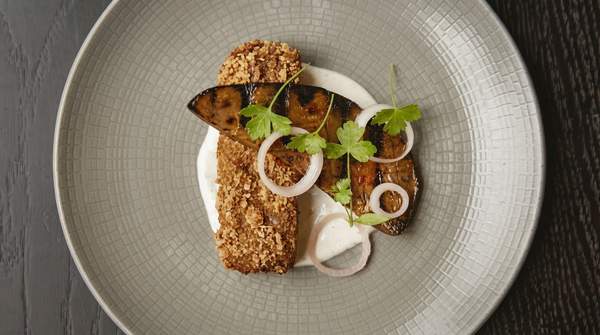
Consumers crave richer, multi-sensory food experiences, according to ircagroup. Texture-rich dishes are top of mind for students in Fall 2026, according to Prepared Foods. The demand for dishes engaging more than just taste, with consumers craving richer, multi-sensory food experiences and texture-rich dishes, creates a premium perception and challenges chefs to innovate beyond flavor.
Strengths: Creates memorable dining; justifies higher prices. | Limitations: Complex to execute consistently; requires chef creativity. | Price: Premium, based on experience.
7. Reimagined Comfort Classics
Best for: Consumers seeking nostalgic flavors with a modern twist.
Comforting classics return with a modern attitude, reimagined with premium ingredients, new textures, and contemporary twists, according to ircagroup. 51% of shoppers cite comfort flavors influencing purchases, according to Mosaicflavors (data from previous years). The enduring preference for familiarity, with 51% of shoppers citing comfort flavors influencing purchases, elevated with innovation, proves that nostalgia sells when paired with culinary ambition.
Strengths: Broad appeal; evokes positive emotions; allows culinary innovation. | Limitations: Risks alienating traditionalists; requires careful balancing. | Price: Moderate to premium.
8. Cross-Cultural Flavors
Best for: Consumers exploring diverse global cuisines.
Cross-cultural flavors go mainstream, inspiring new interpretations in sweet goods, according to ircagroup. 84% of consumers enjoy spicy food, according to Mosaicflavors (data from previous years). The broadening of consumer palates, with 84% of consumers enjoying spicy food, and consistent demand for diverse culinary influences opens doors for bold, authentic fusions.
Strengths: Appeals to adventurous palates; offers novelty. | Limitations: Requires diverse ingredient sourcing; potential for misinterpretation. | Price: Moderate, often perceived as exotic value.
9. Terroir-Driven & Sustainably Sourced Ingredients
Best for: Ethically conscious diners valuing origin and environmental impact.
Diners gravitate toward deeper expressions of terroir—ingredients telling a story of place, especially those grown regeneratively or stewarded by Indigenous or local producers, according to jamesbeard. Chefs use ferments to extend growing seasons, preserve abundance, and reduce waste. The growing interest in origin, story, and ethical/environmental impact, with diners gravitating toward deeper expressions of terroir and chefs using ferments, demands transparency and authentic narratives from producers.
Strengths: Supports ethical consumption; commands premium pricing; strong storytelling. | Limitations: Higher sourcing costs; limited availability. | Price: Premium, reflecting ethical and quality sourcing.
10. Emerging International Beverages (e.g. Carajillo)
Best for: Curious drinkers seeking new global beverage experiences.
Carajillo boasts 34% awareness and 55% interest among consumers, according to Datassential (data from previous years). Arak (21% awareness, 31% interest), Chicha (22% awareness, 40% interest), and Dampfbier (21% awareness, 50% interest) also show traction. The figures for Carajillo, Arak, Chicha, and Dampfbier reveal a niche but growing category of global drinks, ripe for adventurous palates and innovative menus.
Strengths: Offers novelty and cultural exploration; potential for high-margin specialty items. | Limitations: Requires consumer education; limited initial market penetration. | Price: Moderate to premium.
The Broader Shift: Alcohol Consumption and Economic Realities
The broader adult population reduces alcohol intake and faces increased food costs, challenging traditional food and beverage businesses. Overall adult alcohol consumption declined 8% since 2023, according to Extension Psu (data from previous years). The mean number of alcoholic drinks consumed weekly dropped from 4.0 in 2023 to 2.8 in 2025 (data from previous years). The stark contrast between the broader adult population reducing alcohol intake and Gen Z's rising consumption creates a fragmented market, demanding nuanced strategies beyond simple decline narratives.
| Factor | Overall Adult Alcohol Consumption | Food Prices |
|---|---|---|
| Trend Direction (2023-2025) | Declined by 8% (2023-2025) | Forecast to rise about 3% in 2026 (1.7% food-at-home, 4.6% food-away-from-home) |
| Mean Drinks/Week (2023 vs. 2025) | 4.0 in 2023 to 2.8 in 2025 | N/A |
| Impact on Consumers | Reduced intake, shift to premiumization or no/low options | Increased household spending pressure, demand for value |
| Implication for Businesses | Challenges traditional alcohol brands; need for targeted Gen Z strategies | Requires cost-effective sourcing and value-driven product development |
Disruptors: Health Trends and Consumer Spending Habits
Households cut grocery spending by an average of 5.3% within six months of starting GLP-1 weight-loss (data from previous years)s drugs, according to Extension Psu. This silent, profound market contraction reshapes CPG product development and marketing, demanding a focus on nutrient density and smaller portions over volume.
Further, 82% of consumers report changing shopping behavior due to high prices, according to Extension Psu (data from previous years). Food service providers, especially those catering to younger demographics, must navigate the paradox of consumers demanding both value and premium, sensory-rich experiences. This necessitates tiered offerings that justify higher prices through unique functional or experiential benefits. New health technologies and persistent inflation force consumers to adjust food budgets, demanding greater value and efficiency from providers.
Navigating the Future of Food and Drink
The food and beverage landscape for Fall 2026 appears poised for a dynamic period, where success will hinge on the ability to simultaneously cater to Gen Z's evolving social drinking habits and the broader adult population's demand for value, wellness, and sensory-rich, right-sized indulgences, especially as health technologies like GLP-1 drugs continue to reshape consumer spending.