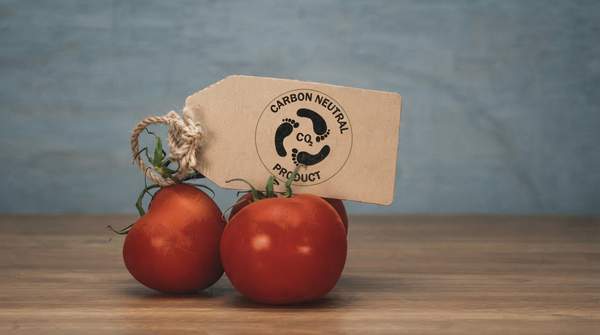
"Ethically sourced" is one of the most seductive phrases on a menu or a label—and one of the least defined. For a discerning food enthusiast, the term can signal anything from genuine fair-wage commitments to little more than marketing. The way through the fog is not to trust or dismiss the claim outright, but to break it into parts you can actually evaluate. Ethical sourcing, as described in supply-chain guidance from the sustainability consultancy Greenly, rests on assessable practices: how suppliers treat workers, how they affect the environment, what they contribute to their communities, and how openly they disclose all of it. Those four dimensions form a reusable decision framework for evaluating any product or restaurant.
The Four Pillars of Ethical Sourcing: A Decision Framework
Greenly's implementation guidance describes ethical sourcing as a process that begins with buyers evaluating potential suppliers against specific criteria—labor practices, environmental standards, and transparency—before formalizing commitments through codes of conduct and ongoing supplier training. That corporate checklist translates neatly into a consumer one. When a producer or restaurant claims its ingredients are ethically sourced, you can ask what, concretely, is being done on each of four pillars: fair labor, environmental sustainability, community impact, and transparency. A claim that survives all four is credible; a claim that survives only one is a partial truth.
The matrix below organizes the pillars into indicators you can look for and the verification methods that support them. It is a classification tool: use it to sort a company's claims into substantiated strengths, weaknesses, and gaps.
| Pillar | Key Indicators to Look For | Verification Method |
|---|---|---|
| Fair Labor Practices | Fair wages, safe working conditions, and respect for workers' rights throughout the supply chain | Third-party certifications that address labor conditions, such as Fair Trade Certified |
| Environmental Sustainability | Efforts to minimize negative environmental impacts, conserve resources, and use eco-friendly production methods | Environmental certifications; disclosure of practices such as buffer zones and soil monitoring |
| Community Impact | Supplier investment in local communities, including education and healthcare improvements | Company reporting on sourcing regions; certifications covering community resiliency across the supply chain |
| Transparency | Openness about sourcing practices, supplier identities, and material origins | Public codes of conduct, named suppliers, and willingness to answer direct questions |