Food & Drink

FDA eases 'no artificial colors' claims, impacting food dye innovation

Last year, the FDA banned Red Dye No.

CR
Camila Roque

April 10, 2026 · 4 min read

Vibrant natural food dyes like beetroot red and spirulina extract displayed under laboratory lights, with a subtle FDA logo shadow in the background.

Last year, the FDA banned Red Dye No. 3 due to cancer concerns, yet now delays the effective dates for natural alternatives like vibrant beetroot red and spirulina extract. The regulatory pause, set for 2026, directly impacts food brands striving for cleaner labels. It creates a complex landscape for manufacturers, who must navigate evolving safety standards for these very alternatives while consumer demand for natural ingredients intensifies.

The FDA signals a shift towards natural food colors, but its delays in approving new natural dyes actively slow industry innovation. A regulatory paradox is created: the agency removes a synthetic dye for health, yet simultaneously impedes the adoption of its natural, eagerly awaited replacements.

Consequently, food manufacturers will likely prioritize leveraging relaxed labeling rules and existing natural color options. The focus on relaxed labeling rules and existing natural color options will overshadow heavy investment in developing new, unapproved natural dyes, leading to a slower, more cautious evolution in the natural color space.

Brands Gain Labeling Flexibility, But Face Innovation Hurdles

The FDA has relaxed rules, allowing food labels to claim 'no artificial colors' even when products contain natural dyes, provided they are free of petroleum-based colorants (everydayhealth, APNews). The relaxed rules offer immediate marketing advantages, letting brands align with consumer demand for cleaner labels without waiting for new natural dye approvals. The implication: companies may now prioritize leveraging existing approved natural options over investing in developing novel, unapproved dyes.

Balancing Safety and Demand: The FDA's Rationale

The FDA juggles its intent to approve natural dyes with rigorous safety reviews, leading to amendments and delays for even previously accepted ingredients. Conflicting reports highlight this tension: APNews noted approvals for beetroot red and expanded spirulina extract, while Food Dive and Supermarket Perimeter reported delays for these same dyes. The evolving landscape means initial approvals can quickly face further scrutiny and postponements.
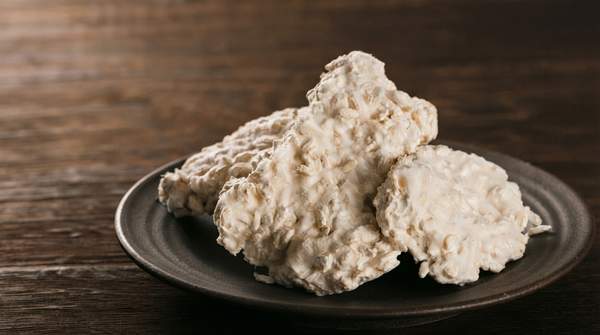

For instance, the FDA plans to amend spirulina approval to lower heavy metal thresholds, following a petition from Obelisk Tech Systems (Food Dive). The FDA's plan to amend spirulina approval demonstrates the agency's commitment to stricter safety, even while promoting natural dyes. Such necessary amendments, however, fuel bureaucratic delays, slowing the industry's critical shift from synthetic colors. Manufacturers face profound uncertainty regarding which natural dyes are truly market-ready, despite the FDA's broader push.

Market Uncertainty and Innovation Slowdown

The FDA's ongoing delays for natural dyes like beetroot red and spirulina extract create significant market uncertainty (Supermarket Perimeter, Food Dive). The regulatory bottleneck hinders new product development and forces food brands striving for 'clean labels' to make tough choices: delay launches or risk consumer backlash by retaining synthetic options. Such uncertainty cripples long-term product planning.

The FDA's actions—banning Red Dye No. 3, relaxing 'no artificial colors' labeling, yet delaying natural alternatives—reveal a regulatory body signaling change without forging clear pathways for industry adaptation. A costly, uncertain transition is created, forcing manufacturers to navigate conflicting signals and stalled approvals.

The Future of Food Coloring: A Phased Transition

The FDA's 2025 plan to phase out six synthetic dyes and 'fast-track' natural alternatives (Vocal Media) signals an inevitable shift. Yet, the FDA's 2025 plan directly contradicts current delays for dyes like beetroot red and spirulina extract (Food Dive, Supermarket Perimeter). The gap between policy and practice creates a challenging environment. While the FDA's broader goal is clear, delayed approvals mean the transition to an all-natural color palette will be slower and more complex than initially suggested. Companies must invest heavily in robust R&D for existing, approved natural colors, rather than solely relying on new, unapproved options.

Consequently, the market will likely see increased reliance on established natural colorants like turmeric, annatto, and paprika, while the industry awaits clearer pathways for newer innovations.

Clarifying Spirulina Extract's Status

What natural food dyes are affected by the FDA pause in 2026?

The FDA's 2026 pause specifically impacts the effective dates for beetroot red and spirulina extract in human foods. Though spirulina extract received initial approval, its commercial use remains on hold, signaling ongoing regulatory scrutiny.

Which brands use natural food dyes impacted by the FDA decision?

Many 'clean label' food and beverage brands, particularly in confectionery and dairy, rely on natural dyes like spirulina extract for vibrant blue and green hues. These brands must now navigate delayed effective dates, potentially impacting product launches slated for 2026.

When will the FDA lift the pause on natural food dye approvals?

The FDA has not set a definitive timeline for lifting the pause on natural food dye approvals, including for spirulina extract. Delays stem from ongoing safety reviews and potential amendments, such as lowering heavy metal thresholds. This uncertainty demands flexible product development and exploration of alternative coloring solutions from brands.