At New York Bridal Fashion Week, designers showcased a future where wedding dresses are no longer exclusively white. Muted pastel pinks and blues emerged as popular alternatives, signaling a seismic shift in bridal trends. Collections, unveiled from April 7 through April 10, according to L'OFFICIEL USA and detailed by The Zoe Report, championed individual expression over rigid convention.
Traditional white wedding gowns still hold undeniable cultural significance. Yet, designers are increasingly pushing bold alternatives: tailored separates, vibrant hues, and silhouettes that defy expectation. This creates a palpable tension between historical expectations and the surging demand for modern, personalized options.
Based on these collections, the bridal market isn't just evolving; it's segmenting. A growing emphasis on personalization and a clear break from conventional norms suggests a far more diverse, exciting future for wedding attire.
Beyond White: Key Trends Redefining Bridal Wear
- Lace, a perennial favorite, appeared in nearly every preview, according to Vogue. Designers are clearly not abandoning tradition, but rather twisting it, using lace in both classic and strikingly modern constructions.
- Asymmetrical details—think sashes artfully placed or subtle sheer cutouts—were a notable trend. These elements inject a contemporary edge, pushing bridal beyond its formal confines.
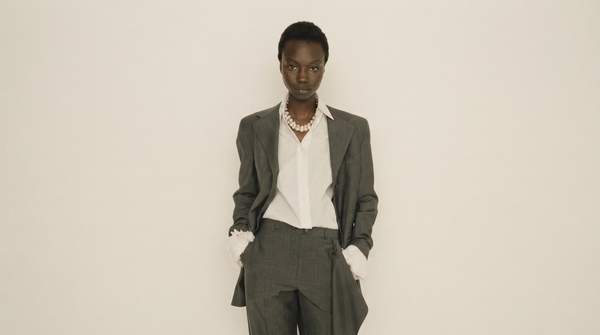
- Tailoring and separates are on the rise for wedding attire. This isn't just about options; it's about offering brides modular, reusable pieces that extend beyond a single day.
- Muted hues—pastel pinks, blues, deep creams, soft grays—are poised to dethrone traditional white. This isn't just a color swap; it's the bridal space finally embracing broader fashion sensibilities.
- The bridal market has seen a major shake-up, with vintage retailers now making a significant mark. Vintage retailers making a significant mark highlights a consumer base hungry for uniqueness and sustainability, a clear challenge to mass-produced uniformity.
These trends paint a vivid picture: bridal wear is shedding its staid image for something far more contemporary, fashion-forward, and deeply customizable. The continued presence of lace, even as colors shift dramatically, suggests a nuanced evolution. Designers aren't discarding history; they're remixing it, crafting a bridal identity that is both classic and audaciously new. This fusion implies that future brides won't have to choose between tradition and trend, but can seamlessly blend both.
The Rise of Individual Expression in Bridal Design
Designers aren't just adding options; they're actively deconstructing the traditional bridal silhouette. Elements like asymmetrical details and tailored separates offer a customizable, less formal aesthetic. This empowers brides to craft a look that truly reflects their personal style, rather than conforming to a singular, imposed vision.
By integrating these bold details and non-white hues, designers are fundamentally challenging the very definition of 'bridal.' This pushes the market towards a more inclusive, fashion-forward aesthetic—a move that might ruffle the feathers of purists but promises a far broader, more engaged appeal. The implication is clear: bridal fashion is no longer about a singular ideal, but a spectrum of authentic self-expression.
Cultural Shifts Driving Bridal Innovation
The widespread embrace of muted pastel hues is more than a trend; it's a strategic integration of bridal wear into broader fashion. This allows garments to be re-worn, effectively blurring the line between wedding attire and high-end occasion wear. Brides, it seems, are increasingly demanding versatility and lasting value from their wedding day investments.
This adoption of tailored separates and diverse color palettes, as reported by Vogue, confirms the bridal industry is actively courting a consumer base that prioritizes reusability and personal style over the singular, one-day-only white gown. The desire for unique, personalized experiences, already evident in the rise of vintage options, is now fundamentally reshaping mainstream bridal design. The implication? Designers must innovate or risk becoming irrelevant to a clientele that values individuality above all.
What This Means for Future Brides
The continued prevalence of lace, even amidst radical shifts in color and form, isn't a contradiction; it's a nuanced evolution. Designers are reinterpreting traditional fabrics, not abandoning them. This creates a compelling 'modern traditional' hybrid, offering brides options that feel both classic and undeniably contemporary. Future brides can expect to find gowns that honor heritage while embracing truly forward-thinking design, a perfect blend for the discerning individual.
As designers continue to push these boundaries, future bridal seasons will likely see even greater innovation and personalization. This means wedding attire will become a truer reflection of individual style, moving decisively away from any one-size-fits-all approach. The implication is a marketplace brimming with diverse options, empowering brides to curate a celebration that authentically represents them, not just a trend.
The implications for the wider bridal industry are stark. Traditional manufacturers like David's Bridal will likely need to significantly diversify their offerings. They must embrace tailored separates, muted color palettes, and a broader vision to remain competitive against designers championing personalized, non-white options. The future of bridal isn't just about what's new; it's about what truly resonates with a generation demanding authenticity.