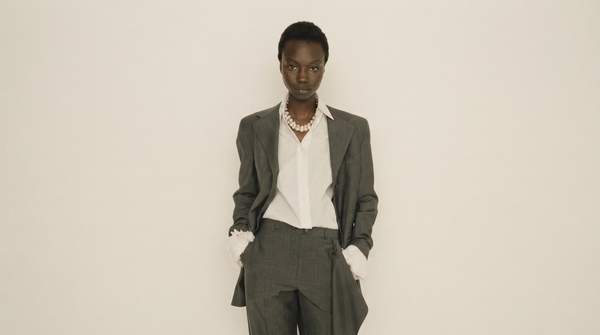
Tailored pants were presented as a striking alternative to traditional gowns at New York Bridal Fashion Week Spring 2027 collections, signaling a bold shift in bridal attire. This season's showcases moved beyond mere stylistic variations, offering a complete reimagining of the core garment for brides. The presentations from designers at New York Bridal Fashion Week provided a clear view of emerging Spring 2027 wedding dress trends, indicating a broader embrace of personal choice.
Classic bridal elements like lace and elevated ruching remain prominent, but unconventional alternatives such as tailored pants and muted color palettes are strongly emerging. The strong emergence of unconventional alternatives indicates a deliberate market fragmentation, offering brides radically different, yet equally fashionable, visions for their wedding day attire. The tension between enduring tradition and modern innovation defines the current bridal market.
The Spring 2027 bridal season will likely be defined by a celebration of diverse personal styles, moving beyond a singular 'bridal look' towards a more individualized expression of love and commitment. The celebration of diverse personal styles actively challenges the traditional gown's dominance by elevating unconventional alternatives to equally valid, high-fashion statements. Brides are increasingly seeking attire that mirrors their unique identities.
The Rise of Unconventional Bridalwear
- Tailored pants were presented as an alternative to dresses for brides, according to The Zoe Report.
- Asymmetrical details, such as one-sided sashes and subtle sheer cutouts, were frequently observed in wedding looks this season, as reported by Vogue.
Designers are actively challenging conventional bridal norms, providing bold, contemporary choices that prioritize individual expression. The explicit presentation of tailored pants as a direct, high-fashion alternative to traditional gowns fundamentally redefines the silhouette of a bride. The redefinition of the bride's silhouette moves beyond mere stylistic variations to a complete re-imagining of the core garment. Asymmetrical elements further contribute to a desire for distinctiveness over uniform tradition.