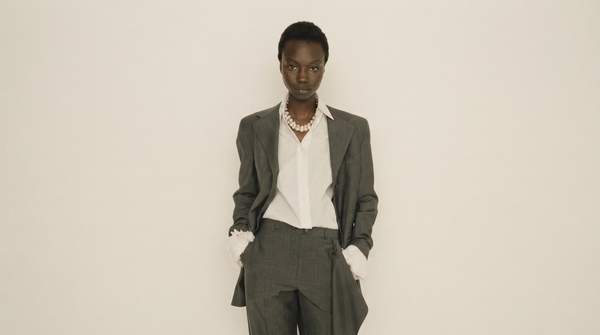
For Spring 2026, bridal designers offered tailored trousers as a chic alternative to traditional gowns, signaling a radical shift in wedding attire. Lein presented tailored trousers that provided a modern, sleek option for brides. Alexandra Grecco layered pants beneath a vest, according to The Zoe Report. The shift to tailored trousers and layered pants provides new versatile options for brides seeking individuality beyond classic silhouettes. It directly challenges long-held expectations for bridal wear.
Bridal fashion has long been defined by classic gowns, often emphasizing volume and tradition. However, the Spring 2027 collections embrace bold tailoring and unconventional silhouettes. A tension is created between established tradition and a growing demand for modern, personal expression in wedding attire. The shift reflects evolving tastes among contemporary brides who prioritize comfort and style.
The bridal market appears poised for a period of significant diversification, catering to a broader spectrum of individual tastes and modern lifestyles. New York Bridal Fashion Week Spring 2026 showcases this evolution, moving towards more architectural forms and versatile options. A future where the traditional white gown is no longer the sole standard for wedding day ensembles is suggested. It marks a pivotal moment for the industry.
- For Spring 2026, the focus shifted to sculptural bodices, with Sareh Nouri presenting a strapless style. Renhue and Lee Petra Grebenau offered sleeker designs, according to The Zoe Report.
- There was a rise in tailoring and separates for wedding attire this season, as reported by Vogue.
- Bridal designers presented pants as a chic alternative to gowns, with Lein offering tailored trousers. Alexandra Grecco layered pants beneath a vest, according to The Zoe Report.
- Muted hues like pastel pinks, blues, deep creams, and soft grays are predicted to be popular alternatives to traditional white for wedding dresses, according to Vogue.
- Asymmetrical details, such as one-sided sashes and off-balance necklines, were a notable trend in several wedding looks, as detailed by Vogue.
Challenging Tradition: Versatility and New Hues
Lein offered tailored trousers for Spring 2026, presenting a distinct alternative to traditional gowns. Alexandra Grecco layered pants beneath a vest, according to The Zoe Report. These presentations by designers showcased pants as a chic option, challenging the conventional image of a bride. A significant redefinition of wedding attire is signaled by this move. It offers practical yet elegant choices for the wedding day.
Muted hues also gained prominence, with pastel pinks, blues, deep creams, and soft grays emerging as popular alternatives to traditional white for wedding dresses, according to Vogue. This broadens the aesthetic possibilities for wedding attire beyond conventional expectations. Brides now have more color choices to align with their personal style. Asymmetrical details, including one-sided sashes and off-balance necklines, appeared in several wedding looks. A modern edge is introduced to bridal ensembles by these elements. They move away from purely symmetrical and predictable designs.
The prominence of tailored trousers and separates, as showcased by Lein and Alexandra Grecco, indicates the bridal market is no longer solely defined by the gown. Traditional bridal brands are forced by this trend to innovate beyond classic embellishment. They risk becoming irrelevant to a growing segment of fashion-forward brides otherwise. The inclusion of tailored separates, diverse color palettes, and unconventional details empowers brides to express unique style beyond conventional norms. Greater personal choice and flexibility in wedding day looks are offered by this diversification.
Reimagining Classic Elements and Embellishments
While some designers explored new silhouettes, others reimagined traditional opulence for Spring 2027 collections. Designers such as Esé Azénabor and VERDIN presented embellished gowns featuring intricate beading and rhinestones, according to The Zoe Report. This approach maintains a focus on elaborate detailing for brides who prefer a classic, luxurious aesthetic. These gowns appeal to a segment of the market that values grandeur and sparkle on their wedding day.
Ruching also appeared as a notable design element, observed on bodices and hips at brands including Jaclyn Whyte, Anne Barge, and Nardos, as reported by The Zoe Report. This technique layers fabric for a rippling effect, updating classic gown forms. It adds textural complexity and visual interest without overwhelming the silhouette. The presence of both highly embellished gowns and deconstructed forms highlights a bifurcated market. Some designers double down on traditional opulence, while others push radical non-gown alternatives. This caters to distinct bridal philosophies simultaneously.
With designers like Sareh Nouri, Renhue, and Lee Petra Grebenau prioritizing sculptural bodices and asymmetrical details, the Spring 2027 collections reveal a clear shift. Even brides opting for a gown increasingly seek architectural statements. Conventional romantic silhouettes are defied by these designs, pushing the boundaries of what constitutes 'bridal' attire. Even with a broader shift towards modernity, classic elements are revitalized through innovative techniques. A sense of timeless luxury is maintained by these applications for a specific market segment, ensuring diverse offerings.
What Does the Future Hold for Bridal Trends?
The Spring 2026 collections signal a lasting transformation in bridal fashion. The increasing acceptance of tailored separates and diverse color palettes suggests a permanent shift away from the singular traditional white gown. Brides are now empowered with more choices that reflect personal style rather than strict convention. This trend is likely to continue as designers respond to evolving consumer preferences for individuality and comfort in their wedding attire.
Traditional bridal brands face significant pressure to innovate beyond classic embellishments and silhouettes. The rise of architectural statements and non-gown alternatives means a substantial segment of fashion-forward brides seeks different options. Brands must either embrace these modern trends or refine their opulent offerings to cater to a specialized niche. The market appears to be segmenting into distinct bridal philosophies, requiring targeted approaches.
This diversification means designers will continue to explore new fabrics, silhouettes, and intricate details. The push for sculptural forms and asymmetrical elements will likely evolve further, offering even more avant-garde bridal looks. By Q3 2026, the bridal industry could see a more balanced market. Custom-tailored options will stand alongside traditional gowns as equally valid choices for wedding attire, reshaping consumer expectations.