How Past Fashion Trends Influence 2026 Styles

Economic anxiety is pushing Gen Z consumers not towards novel trends, but back to the familiar mid-2010s aesthetics of their youth.

TA
Theo Ashford

April 14, 2026 · 5 min read

Gen Z individuals showcasing a blend of mid-2010s nostalgic fashion and contemporary styles on a city street, reflecting economic influences on 2026 trends.

Economic anxiety is pushing Gen Z consumers not towards novel trends, but back to the familiar mid-2010s aesthetics of their youth. This retreat to the comfort of the recent past, characterized by specific fashion choices, indicates a prioritization of psychological solace over aesthetic innovation. As consumers navigate economic uncertainties in 2026, their wardrobes appear to reflect a collective yearning for perceived simpler times.

While consumers express a growing concern for sustainability and ethical practices, economic anxiety is simultaneously pushing them towards the comforting familiarity of past, often mass-produced, fashion trends, according to CNBC. This creates a tension between stated values and actual purchasing behavior, with comfort and affordability currently outweighing ethical considerations.

The fashion industry is likely to see a resurgence of legacy brands and a focus on accessible, nostalgic styles, potentially at odds with the broader shift towards truly sustainable and innovative design, unless brands can cleverly integrate both.

The Comfort of 2016: Why Gen Z Looks Back

Gen Z is currently nostalgic for 2016, according to CNBC. This particular yearning for a very recent past suggests a desire for perceived simpler times, influencing current purchasing habits. Unlike previous generations that might look back decades for fashion inspiration, Gen Z's comfort zone lies just a few years behind them, reflecting a preference for an accessible and personally familiar past.

Economic anxieties are driving a self-referential fashion cycle, a trend indicated by this specific focus on mid-2010s aesthetics, often associated with their own adolescence. Rather than exploring broader historical trends or innovative new styles, the generation seeks comfort derived from their own recent youth's aesthetics. This trend prioritizes personal comfort over broader cultural exploration in their fashion choices.

Beyond Y2K: Unearthing New Nostalgia Eras

While Gen Z gravitates to the mid-2010s, the fashion industry has also begun to unearth less obvious periods of influence. The era between the '90s grunge and Y2K excess, specifically characterized by pre-dot com crash optimism, is an under-explored area in fashion nostalgia, reports ELLE. The wellspring of nostalgic inspiration is deeper and more varied than commonly perceived, offering new avenues for trend forecasting beyond the most immediate past.
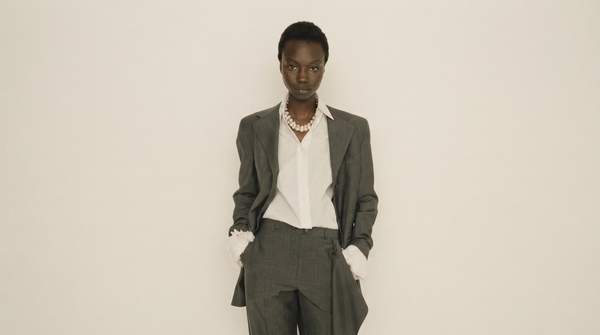

Designers are now looking to this specific slice of the late 1990s, a period that offered a distinct aesthetic marked by a sense of burgeoning digital optimism before the turn of the millennium. This re-evaluation of historical styles offers a counterpoint to the more recent, comfort-driven nostalgia, potentially providing a richer, more diverse palette for upcoming collections if economic conditions allow for broader creative risks.

The Sustainable Paradox: Nostalgia Meets Ethics

A significant tension exists between consumer values and purchasing habits, especially concerning sustainability. While consumers express a growing concern for sustainability and ethical practices, economic anxiety is simultaneously pushing Gen Z towards the familiar, often mass-produced, mid-2010s aesthetics, according to CNBC. Gen Z's purchasing decisions are currently prioritizing comfort and affordability over their stated ethical values in fashion.

The re-emergence of these mid-2010s styles, often associated with legacy mall brands known for mass production, highlights a critical dilemma for the industry. Brands face the challenge of delivering comforting nostalgia while simultaneously meeting modern ethical and environmental expectations. This paradox suggests that while consumers may voice support for eco-friendly fashion, their wallets often follow the path of least resistance in uncertain economic times.

The Return of the Mall Brands

This shift in consumer preference, driven by economic anxiety, has tangible market consequences. The retreat to mid-2010s aesthetics could translate into renewed demand for legacy mall brands, reports CNBC. Established retailers, which were once staples of teenage shopping, stand to benefit significantly from this wave of nostalgia.

The re-emergence of these familiar brands signals a notable market opportunity for established retailers and a potential shift in consumer loyalty back to known entities. New, innovative designers may struggle to break through this nostalgia cycle, as consumers opt for the comfort and perceived value of brands they remember from their youth. This trend also poses a challenge for fast fashion companies that fail to adapt to both nostalgic demand and evolving sustainability concerns.

Your Questions About Fashion Cycles, Answered

What are the most influential fashion trends of the past?

Beyond the recent mid-2010s nostalgia, influential past fashion trends often span decades, with styles like the Mod looks of the 1960s, the bohemian aesthetics of the 1970s, and the power dressing of the 1980s frequently resurfacing. These historical periods provide a rich tapestry of inspiration, constantly reinterpreted by contemporary designers. Each era offers distinct silhouettes, fabrics, and cultural associations that continue to shape modern wardrobes.

How do consumers choose fashion based on trends?

While economic anxiety heavily influences current Gen Z choices, consumers generally select fashion based on a complex interplay of factors including personal identity, social media influence, and high-fashion runway shows. Social media platforms, in particular, accelerate trend adoption by exposing users to diverse styles and micro-trends from influencers globally. Ultimately, individual expression often merges with broader cultural currents.

Navigating the Past to Dress for the Future

The current fashion landscape reflects a complex interplay between nostalgia and present-day pressures. Economic anxiety is clearly driving Gen Z's retreat into the comforting, mass-produced aesthetics of the mid-2010s, thereby stifling immediate innovation and overshadowing sustainability concerns within the fashion industry. The future of fashion will likely be defined by a delicate balance between embracing comforting familiarity and innovating towards a more sustainable and conscious industry.

For brands to thrive, they must skillfully navigate this tension, perhaps by offering sustainably produced versions of nostalgic styles or by highlighting the ethical sourcing of familiar silhouettes. Companies banking on Gen Z's ethical purchasing power are misreading the room; economic anxiety is driving a retreat to the comfort of mass-produced, mid-2010s styles, as evidenced by CNBC's reporting on renewed demand for legacy mall brands. The fashion industry's push for innovation and sustainability is being directly undermined by Gen Z's economic anxieties, as their preference for familiar mid-2010s aesthetics indicates a prioritization of comfort and affordability over novel or ethically produced styles.

By Q3 2026, legacy brands like Abercrombie & Fitch, which embody the mid-2010s aesthetic, will likely continue to see increased sales if they strategically cater to this comfort-driven nostalgia while subtly addressing emerging ethical demands.