Standing in the middle of a festival field in 2026, you’d be forgiven for thinking you’ve slipped through a tear in the space-time continuum. The first thing you'll notice in this analysis of gender-fluid nostalgic festival fashion trends in 2026 isn't the music, but the clothes. A sea of bodies moves under the desert sun, not in the homogenous uniform of flower crowns and crochet that defined a bygone era, but in a chaotic, glorious mashup of decades and identities. Over there, someone pairs shimmering Y2K cybercore goggles with baggy 90s denim. Nearby, a group rocks mesh tops and platform boots, their silhouettes blissfully unconcerned with traditional gender lines. It’s a far cry from the carefully curated boho-chic that once flooded our Instagram feeds. Let's unpack that. This isn't just a random assortment of vintage finds; it's a deliberate, collective aesthetic shift. Festival fashion, once a predictable costume party, has become a dynamic canvas for a fusion of nostalgia-driven aesthetics and deeply personal, gender-fluid expression.
What People Are Doing Differently
For years, the festival style playbook was painfully simple. You had your archetypes: the bohemian, the rocker, the EDM raver in neon fluff. But the script has been flipped. The defining characteristic of festival wear in 2025 and 2026 is its rejection of rigid categories. We're witnessing a behavioral shift away from dressing for a pre-ordained role and towards assembling an identity from the vibrant scraps of pop culture history. This new uniform is, paradoxically, the lack of one.
According to an analysis by edmsauce.com, two of the six defining trends for the current festival season are "The Y2K Cybercore Revival" and "Gender-Neutral Everything." This observation is not just anecdotal; it’s visible on every festival ground from Coachella to Glastonbury. The site notes a flood of Y2K-inspired metallics, futuristic sunglasses, and cargo pants, alongside a marked increase in men embracing styles like crop tops and mesh fabrics—items once relegated to specific gendered sections of a store. The hard lines are blurring into a shared closet.
This movement is a multi-headed hydra of throwback aesthetics. It’s not just one decade being resurrected, but several at once, creating a unique sartorial soup. Reporting from Insight Trends World highlights several key currents flowing through festival wardrobes:
- 90s-Inspired Denim: Think baggy, low-slung jeans, denim-on-denim, and oversized jackets. The grunge and hip-hop influences of the 1990s are back with a vengeance.
- Boho Revival: While the flower crown may be retired, a more refined, less costume-y version of bohemian style persists, with flowing fabrics and earthy tones making appearances.
- Western Influences: Cowboy boots, fringe (used more sparingly this time), and wide-brimmed hats are being integrated into eclectic, non-traditional outfits.
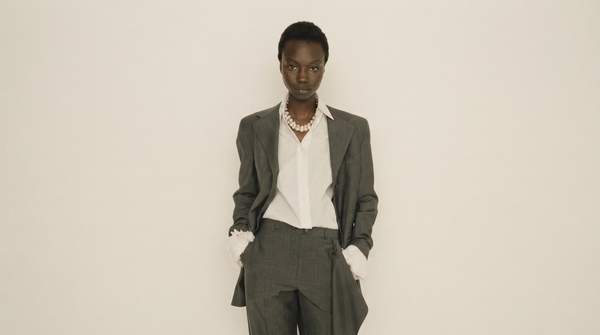
- Genderless Styling: The most significant shift is the move toward what the site calls "genderless styling and experimental aesthetics," effectively erasing the imaginary line between masculine and feminine clothing.
Adding another layer to this nostalgic cocktail, WWD identifies an emerging theme it calls the "Club Girl Revival." This trend is rooted in the mid-2010s—an era we barely had time to miss. It’s defined by a messy, "undone, after-dark energy" that stands in stark opposition to the hyper-polished "clean girl" and "quiet luxury" trends of recent years. The data supports this cultural pivot. WWD reports that Google searches for "party girl" have surged to 1.5 million in the past month, a 24 percent year-over-year climb, while "club outfit" searches are up a staggering 57 percent. It seems we’ve collectively decided that perfection is boring.
Why Are Gender-Fluid and Nostalgic Trends Dominating Festivals?
So, what’s behind this sartorial rebellion? It’s not just a fleeting fad. This shift is rooted in a potent combination of generational attitudes, artistic influence, and a broader cultural craving for authenticity over aspiration. The real question is: why did it all converge on the festival field?
First and foremost, it’s a powerful act of self-expression. Insight Trends World interprets modern festival style as a "platform for self-expression and identity experimentation." For Gen Z, the primary demographic driving these trends, identity is not fixed; it's fluid, multifaceted, and deeply personal. As WWD notes, this generation's embrace of nostalgia and deep-rooted fandoms has transformed fashion into a primary language. Wearing a Y2K-era band tee or a gender-nonconforming silhouette isn't just a style choice; it's a statement of who you are, what you value, and which cultural tribes you belong to. Festivals, by their very nature, are temporary utopias—spaces outside of normal life where experimentation is encouraged. They are the perfect laboratory for this kind of identity play.
A huge piece of this puzzle is the symbiotic relationship between musicians and their fans. According to edmsauce.com, the connection between EDM artists and festival fashion has deepened significantly in 2025 and 2026. It’s no longer just about the music. DJs are now fronting runway shows for major fashion houses, launching their own clothing lines, and collaborating with luxury brands. They are style icons performing for crowds of 50,000 people, and their aesthetic choices ripple directly through the audience. When an artist takes the stage in a gender-fluid outfit, they are giving thousands of fans permission to do the same.
This influence extends beyond the EDM world. Artists like Troye Sivan and Charli XCX are frequently cited by outlets like Insight Trends World as key influencers of the move toward genderless and experimental aesthetics. Their unapologetic and boundary-pushing personal styles are absorbed and amplified by the festival crowd. It’s a direct and powerful transmission of cultural currency, bypassing traditional fashion media. Why wait for a magazine to tell you what's cool when you can see it live on stage?
Finally, there's the element of cultural backlash. The "Club Girl Revival" and the general embrace of messy, chaotic style can be read as a direct response to the era of restraint we just lived through. In a quote to WWD, one analyst put it perfectly: "The context is that we are slipping, almost rebelliously, out of an era defined by restraint. Fashion is rediscovering its appetite for chaos." The minimalist, beige-and-white world of the "clean girl" aesthetic and the inaccessible polish of "quiet luxury" left little room for personality, mess, or fun. The new festival look is a joyful, and perhaps necessary, overcorrection. It celebrates imperfection, embraces vibrant clashes, and finds beauty in the authentic rather than the curated.
Real Examples of Nostalgic and Gender-Fluid Festival Fashion
The fusion of nostalgia and gender-fluidity has become the dominant force in festival culture. This trend is being lived out by artists, fans, and high-fashion brands.
One of the most potent case studies is the influence of EDM artists on their fans' attire. Take Marshmello, for example. While known for his music, his visual identity is just as crucial to his brand. According to edmsauce.com, his signature custom white helmet is reportedly valued at around $55,000. This isn't just a gimmick; it's a powerful aesthetic statement that has spawned a massive fan culture and a highly successful merchandise line. His look, blending a unique, futuristic icon with accessible streetwear, provides a template for his audience. Fans don't just listen to the music; they adopt the visual language. This dynamic, where an artist’s distinct style becomes a uniform for their followers, is a microcosm of the broader trend. The festival field becomes a mirror, reflecting the aesthetics projected from the stage.
Another powerful example is the tangible manifestation of "Gender-Neutral Everything." This isn't just about a few adventurous dressers; it's a widespread movement. As edmsauce.com reports, the sight of men taking "creative liberties in crop tops and mesh" is no longer a novelty but a common feature of the festival landscape. This is the direct result of cultural figures like Troye Sivan, who has consistently challenged traditional notions of masculinity through his fashion choices. When an artist with a massive platform normalizes a certain style, it de-risks it for their audience. The festival, a space of communal celebration, becomes the perfect environment for these new norms to take root and flourish. A fan wearing a mesh shirt is not just making a fashion choice; they are participating in a cultural conversation started by their favorite artists.
Perhaps the most telling sign that this is more than just a subcultural fad is its migration from the festival grounds to the high-fashion runway. The trends being road-tested in the desert dust are being noticed, and adopted, by the industry's biggest players. WWD reports that the "Club Girl Revival"—that messy, mid-2010s nostalgic energy—was a noticeable theme on the Fall/Winter 2026-2027 runways. Brands like Gucci and 7 For All Mankind were seen embracing this "undone, after-dark energy." This is a classic pattern: culture bubbles up from the streets (or, in this case, the fields), and the fashion industry eventually catches on. The fact that luxury brands are now incorporating these aesthetics into their collections confirms their significance and suggests they have staying power far beyond a single festival season.
What This Means for the Future of Fashion
The embrace of gender-fluid nostalgic festival fashion trends in 2026 is a bellwether for broader shifts in the fashion industry, extending beyond festival grounds. This evolution has significant implications for how brands will design, market, and sell clothes in the years to come.
For one, the clear-cut divisions between menswear and womenswear are becoming increasingly irrelevant, especially for a younger consumer base. The rise of "Gender-Neutral Everything" as a core festival trend is a massive signal to the industry that a significant portion of their audience no longer thinks or shops along a strict gender binary. This will likely accelerate the move toward unisex collections, more inclusive sizing, and marketing campaigns that speak to identity rather than gender. The brands that cling to outdated, rigid categories risk being left behind.
Furthermore, the festival has solidified its role as the ultimate trend incubator. It’s a real-time, high-stakes focus group where thousands of people showcase their most experimental and authentic selves. The industry is watching closely. Even Vogue is asking the question, "What Should Coachella Festival Style Look Like in 2026?" The fact that the industry's leading voice is pondering this signals a moment of uncertainty and transformation. The old rules no longer apply, and the new ones are being written by the attendees themselves. The answer to Vogue's question, based on the evidence, is that it should look less like a prescribed costume and more like a deeply personal, chaotic, and joyful expression of self.
This also signals a potential shift in the trend cycle itself. The simultaneous revival of the 90s, Y2K, and even the mid-2010s suggests that our relationship with nostalgia is changing. It's less about a linear, 20-year cycle and more about a vast digital archive from which individuals can pull inspiration at will. For brands, this means a future where they may need to cater to multiple, co-existing nostalgic aesthetics rather than a single, dominant "look of the season." The future of fashion, it seems, is less a monologue and more a conversation between countless different pasts.
Key Takeaways
- Festival fashion in 2026 is defined by a rejection of old archetypes in favor of a personal fusion of nostalgic trends (from the 90s, Y2K, and 2010s) and gender-fluid styling.
- This shift is primarily driven by Gen Z's use of fashion for self-expression, a cultural backlash against the restrictive "clean girl" and "quiet luxury" aesthetics, and the powerful influence of music artists.
- Musicians, particularly in the EDM world and pop icons like Troye Sivan and Charli XCX, are now key style setters, with their aesthetics being directly adopted and amplified by their fanbases on festival grounds.
- These grassroots trends are having a tangible impact on the broader fashion industry, with major brands incorporating festival-born aesthetics like the "Club Girl Revival" into their runway collections, signaling a lasting shift.