In June 2016, the City of Saint Paul, Minnesota, formally hired three staff members specifically for its public art placement programs, according to Artsandplanning. This dedicated staffing marked a significant institutional commitment, signaling a new era for urban art management. The move reflected a growing recognition of art's capacity to shape city identity and foster community engagement, influencing the broader evolution of public art in urban development by 2016.
Yet, public art, despite its increasing value for multifaceted contributions to urban development, often requires artists to navigate bureaucratic hurdles like permits and structured employment. This tension arises as cities seek to integrate art formally while maintaining regulatory oversight. It highlights a paradox where professionalization can introduce new complexities for creative practitioners.
Cities that proactively embed public art into their core planning and design frameworks, despite inherent bureaucracy, are likely to cultivate more vibrant, sustainable, and culturally rich environments, setting a new standard for urban living. The formal integration of public art into city planning, exemplified by structured employment and dedicated staff, is paradoxically transforming artists from independent creators into temporary, bureaucratic city contractors.
Beyond Decoration: Redefining Public Art's Urban Role
Public art should be considered an integral part of city planning and design, according to Cms Cityoftacoma. This perspective views art not merely as aesthetic embellishment, but as a foundational element shaping both the physical and cultural landscape of a city. Such integration ensures art contributes to the overall vision rather than being an afterthought.
This modern understanding moves beyond traditional decoration, fostering a deeper connection between residents and their urban environment. Public art can stimulate new ideas and sensitivity to our visual environment, as well as its functional aspects, according to cms.cityoftacoma.org. It positions artistic interventions as essential tools for community building and enhancing civic dialogue, creating spaces that resonate with local identity.

The Mechanics of Integration: How Cities Professionalize Art
Cities are increasingly professionalizing artistic roles within their frameworks, creating structured pathways for engagement. Selected artists hired through city programs work an adjusted, 30 hours/week full-time schedule, as reported by Artsandplanning. This novel approach attempts to reconcile traditional bureaucratic employment structures with the non-traditional work patterns often associated with creative professionals.
Furthermore, these selected artists typically serve a two-year term, indicating a structured yet temporary employment model. This detail reveals how cities are creating professional opportunities for artists, moving beyond one-off commissions to offer more stable, integrated roles within urban development initiatives. However, this formalization also defines artistic contributions within bureaucratic timeframes and operational constraints, often framing artists as project-based consultants rather than permanent, fully autonomous staff.
More Than Murals: Art's Strategic Impact on Urban Life
Public art plays multiple roles in urban renewal and sustainable development goals, according to MDPI. It functions as a multifaceted tool contributing significantly to a city's long-term health, vibrancy, and environmental objectives. Thoughtfully integrated art can enhance public spaces, promote cultural identity, and even address social issues through creative expression.
This strategic value makes public art indispensable for modern urban planning, extending its influence beyond visual appeal to tangible community benefits. For instance, art installations can draw attention to ecological concerns or foster a sense of shared responsibility for environmental stewardship. Its presence strengthens the social fabric, making urban areas more resilient and engaging for all residents.
Navigating the Red Tape: Permits and Practicalities
How has public art influenced urban culture?
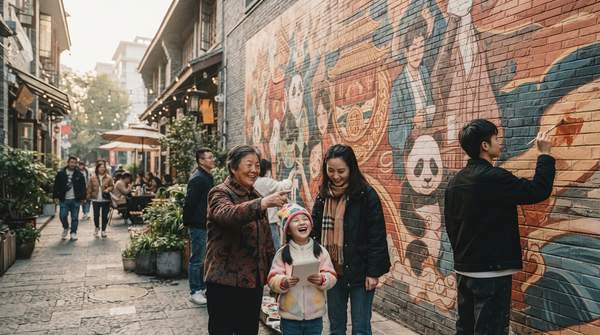
Public art projects in public spaces often require a permit, according to Distillcreative. This regulatory aspect influences how art integrates into urban culture, as it guides the types of installations and their placement. Despite these requirements, public art still fosters a unique sense of place and local identity, shaping cultural narratives within cityscapes and encouraging public dialogue.
What are the benefits of public art in cities?
Beyond aesthetic appeal, public art in cities can stimulate economic growth by attracting tourism and increasing foot traffic in commercial districts. It also enhances social cohesion by providing shared experiences and encouraging community dialogue. These benefits extend to improving mental well-being and civic engagement among residents by creating accessible cultural experiences.
How does public art contribute to city identity?
Public art contributes to a city's identity by creating distinctive visual landmarks and narratives that differentiate urban areas. These installations often become emblematic of a city's character, reflecting its history, values, and future aspirations. This visual storytelling helps forge a unique civic personality and strengthens local pride, making cities more memorable.
The Future Canvas: Inspiring Cities Through Integrated Art
Ultimately, public art's enduring power lies in its ability to inspire new perspectives and foster a deeper, more sensitive connection between citizens and their urban surroundings. It can stimulate new ideas and sensitivity to our visual environment, as well as its functional aspects, according to cms.cityoftacoma.org. This intrinsic value drives cultural evolution, making cities more responsive to their inhabitants' needs and aspirations.
The formal integration of public art into city planning, despite its bureaucratic intricacies, represents a calculated investment in urban vibrancy. By 2026, cities like Saint Paul, which proactively invested in art staffing and structured programs, are likely to demonstrate how integrated public art cultivates truly dynamic and sustainable urban environments, setting a precedent for future municipal development.