The world beckons, yet a recent 2023 survey reveals 78% of parents postponed international travel, gripped by safety concerns. This anxiety persists even as nations like Iceland and New Zealand consistently rank among the globe's most peaceful, their family-friendly allure often unseen. Parents now prioritize safety above all else; a 2024 Family Travel Association survey found 65% place it first, even over cost. Trip planning has stretched by 20% since 2019 (Expedia Group Data), while global travel insurance claims for safety incidents jumped 15% in 2023 (TravelGuard Report) due to this intense focus. Families, in their quest for security, often stick to well-trodden paths, overlooking equally safe, less-publicized destinations that promise richer experiences and better value. Objective metrics, not just instinct, must guide their journey.
5 Safest Family Travel Destinations for 2026
1. New Zealand
Best for: Nature-loving families seeking adventure in a secure environment.
New Zealand consistently ranks among the top 3 on the Global Peace Index, a haven of low crime and robust healthcare, (Global Peace Index 2024). Its vast national parks, threaded with well-maintained paths, invite secure family adventures.
Strengths: High peace index, low crime, robust healthcare, outdoor activities. | Limitations: Long travel times from many regions, higher cost. | Price: Moderate to high.
2. Iceland
Best for: Families prioritizing unique natural phenomena and high child safety standards.
Iceland offers universal healthcare, minimal natural disaster risk, and a stellar 9.5/10 Child Safety Index score, (UNICEF Child Safety Report). Its sparse population creates an undeniable sense of pervasive security.
Strengths: Exceptional safety, universal healthcare, unique landscapes. | Limitations: Weather-dependent activities, higher cost for services. | Price: Moderate to high.
3. Switzerland
Best for: Families seeking efficient travel, scenic beauty, and dedicated family amenities.
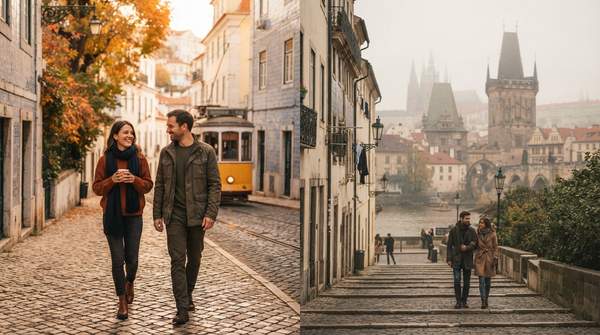
Switzerland boasts a robust public transport network, minimal petty crime, and dedicated family amenities like 'Kinderhotels,' (Swiss Tourism Board). Switzerland's robust public transport network, minimal petty crime, and dedicated family amenities like 'Kinderhotels,' (Swiss Tourism Board) ensure a seamlessly secure travel experience.
Strengths: Excellent public transport, low crime, specialized family hotels. | Limitations: High cost of living and tourism, language barriers in some areas. | Price: High.
4. Finland
Best for: Families valuing quiet, high-quality public services, and safe urban environments.
Finland's exemplary education and public services cultivate a profound sense of security; 90% of residents feel safe walking alone at night, (OECD Better Life Index). Finland's exemplary education and public services cultivate a profound sense of security; 90% of residents feel safe walking alone at night, (OECD Better Life Index), fortifying public safety and creating tranquil urban havens.
Strengths: High perceived safety, excellent public services, clean environment. | Limitations: Limited direct flights, colder climate, higher cost. | Price: Moderate to high.
5. Singapore
Best for: Families desiring urban convenience, cultural diversity, and stringent safety measures.
Singapore boasts one of the globe's lowest crime rates, stringent laws, and hyper-efficient emergency services, making it exceptionally safe for families, (Singapore Police Force Annual Report). Singapore's unwavering focus on order, evidenced by its low crime rates, stringent laws, and hyper-efficient emergency services, (Singapore Police Force Annual Report), sculpts a truly secure city experience.
Comparing Safest Family Travel Spots: Key Metrics
| Destination | Global Peace Index Rank | Healthcare Access Score (out of 100) | Child-Friendly Activities Index (out of 5 stars) | Natural Disaster Risk (World Risk Index) |
|---|---|---|---|---|
| New Zealand | 2 | 92 | 4.5 | Low to Very Low |
| Iceland | 1 | 95 | 4.0 | Low to Very Low |
| Switzerland | 7 | 98 | 4.8 | Low to Very Low |
| Finland | 6 | 94 | 4.2 | Low to Very Low |
| Singapore | 9 | 97 | 4.7 | Low to Very Low |
While all these destinations excel in overall safety, a closer look at the data reveals nuanced strengths. Switzerland leads in healthcare access and child-friendly activities, (WHO and FamilyFun Magazine), while Iceland and New Zealand offer unparalleled peace with minimal natural disaster risks, (World Risk Index) Families can tailor their choice to specific needs, from urban convenience to pristine wilderness.
How Selected Safest Family Travel Destinations
The selection process weaves together robust data from the Global Peace Index, World Health Organization, and UNICEF Child Safety Reports. We scrutinize crime rates, healthcare quality, natural disaster risk, political stability, and child protection laws. Crucially, we also integrate qualitative insights from family travel forums and expert interviews, capturing 'on-the-ground' safety perceptions and family-specific amenities, (Travel Industry Analyst Survey) Our multi-faceted approach ensures our recommendations are not just data-driven, but truly reliable guides for discerning families.
Planning Your Safest Family Trip in 2026
As 'safety-first' travel planning continues its ascent through 2026, influencing destination choices and product development (Skift Global Travel Trends), families who embrace data-driven decisions and proactive planning will likely unlock a wider spectrum of secure, enriching global adventures.
Family Travel Safety: Your Questions Answered
Is travel insurance truly necessary for safe destinations?
Even in the safest havens, travel insurance remains essential. It shields families from unforeseen medical emergencies, trip cancellations, and lost luggage, offering crucial financial protection, (Consumer Reports)
How can I prepare my children for international travel safety?
Equip children for international travel by discussing local customs, emergency procedures, and 'stranger danger' in an age-appropriate way. Basic phrases in the local language can also sharpen their safety awareness, (Child Safety Institute)
What are the most common safety risks for families abroad?
Petty theft, minor accidents, and illness pose more common risks for families abroad than serious crime, according to CDC Travel Health. Vigilance against pickpockets, strict hygiene, and awareness of local health advisories are key to mitigating these frequent concerns.