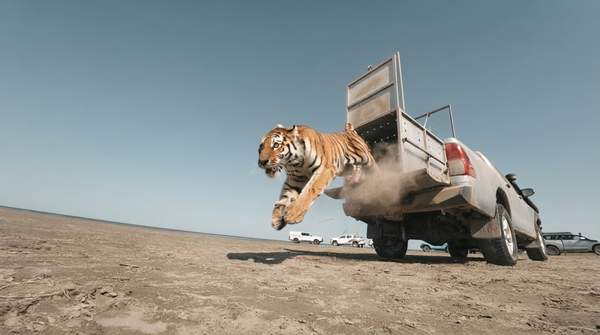
Rewilding tourism is a travel model in which your visit actively funds the recovery of self-regulating ecosystems rather than merely admiring what remains. The idea is simple: landscapes under pressure — fragmented habitats, invasive species, historical overgrazing — need active, well-funded intervention, and tourism revenue can be one of those funds. But "rewilding" is also becoming a marketing word. Before you book, five questions can separate projects with genuine ecological commitment from those borrowing the label.
What is Rewilding Tourism?
Traditional conservation tourism asks visitors to minimize harm. Rewilding tourism goes further: it channels visitor spending into restoration itself. The conservation organization Rewilding Europe, which operates across European landscapes, describes the goal as a tourism ecosystem in which recovering nature supports thriving local economies, and those economies in turn help sustain nature recovery. Its Wilder Places platform, for example, lets local providers sell wildlife and rewilding experiences directly to travelers looking for trips that contribute to nature recovery.
The concept sits within a broader shift the travel industry describes as moving from sustainability to regeneration — from reducing damage to actively supporting ecosystem recovery. An academic review of rewilding's economics, published in the journal Ambio in 2024 by Emmanuel Faure and colleagues, notes that rewilding has boomed in conservation literature and among practitioners since the early 2000s, though numerous definitions coexist. That definitional sprawl is exactly why travelers need their own evaluation tools.
The Ecological Heart: Trophic Cascades and Landscape Restoration
Why reintroduce wolves, beavers, or bison at all? The answer lies in one of ecology's most dramatic mechanisms: the trophic cascade. As the rewilding organization Mossy Earth explains, a trophic cascade occurs when animals at the top of a food chain change the numbers not just of their prey but of species with which they have no direct connection. The effects ripple down the food chain, in some cases radically changing the ecosystem, the landscape, and even the chemical composition of soil and atmosphere.
The classic illustration is Yellowstone National Park, where the return of wolves famously reshaped rivers and vegetation — a case often summarized as "how wolves changed rivers." The point for travelers is that rewilding is not landscaping or zookeeping. The International Union for Conservation of Nature, which published global rewilding guidelines in 2025, frames the approach as restoring self-regulating ecosystems — shifting humanity's relationship with nature from controlling to coexisting. When your trip funds species reintroductions or habitat reconnection, it funds processes that can eventually manage themselves.