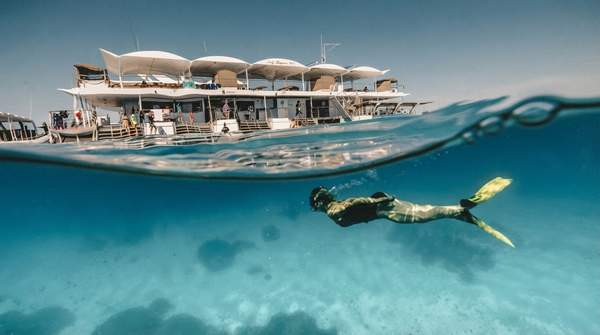
In popular destinations worldwide, unchecked tourism actively causes soil erosion, depletes vital resources, and endangers local biodiversity. These critical impacts, often unseen, fundamentally undermine ecosystem health. The desire to explore the world grows, yet the very act of tourism degrades the natural and cultural resources that attract travelers. This paradox reveals itself: as more people seek pristine locations, their collective presence diminishes what makes those places special. Without a widespread shift towards conscious travel and sustainable development, popular destinations risk irreversible environmental damage and a decline in visitor experience. Individual efforts to reduce carbon footprints, while laudable, pale against the systemic issues of uncontrolled tourism and overcrowding.
What is Sustainable Travel?
Sustainable travel means making informed choices to protect destinations for future generations. It minimizes environmental impact, respects local cultures, and provides economic benefits to host communities. This approach balances exploration with preservation, ensuring places remain vibrant. Its core principle: understand your footprint and actively reduce it across all aspects of a journey, from transport to local interactions, fostering genuine preservation over superficial engagement.
Minimizing Your Travel Footprint: Key Choices
Individual air travel choices directly impact environmental emissions; air travel often contributes the largest share, according to Yale. Travelers can reduce emissions by selecting nonstop flights, choosing economy class, or opting for newer, fuel-efficient aircraft. While these personal decisions are impactful, they address only carbon output, not the full spectrum of environmental pressures from tourism growth. The challenge extends far beyond individual flight choices.
Beyond Emissions: Local Impact and Resource Strain
Beyond carbon footprints, tourism infrastructure and growth exert significant pressure on local ecosystems and resources. Development leads to over-consumption of natural resources, degraded service quality, and increased waste and pollution, as noted by PMC. This includes straining local supplies of water, energy, and food. The physical expansion of tourism directly endangers biodiversity; constructing hotels, expanding transport, and managing crowds destroy habitats and disrupt wildlife. Such sustained pressure erodes a location's appeal and long-term viability.