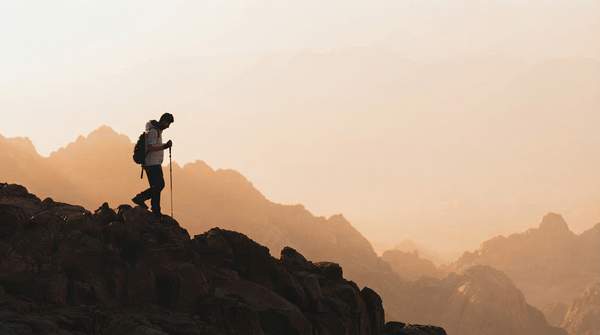
Just 15 to 20 minutes of daily disconnection from technology offers a direct pathway to improved mental well-being. This practice, known as a "mini-unplug," involves a short, dedicated period away from digital devices, according to Harvard Health. A brief respite actively rebuilds core cognitive functions like concentration and memory, often degraded by incessant digital engagement. Such deliberate disconnections become a mandatory psychological intervention, not merely beneficial.
Society pushes for constant acceleration and digital engagement, yet this very pace erodes our mental health and capacity for meaningful connection. The relentless pursuit of speed and continuous online presence often leads to burnout and superficial interactions, creating pervasive psychological ill-being. As the negative impacts of hyper-speed become increasingly evident, a societal shift towards valuing deliberate slowness and mindful engagement in both daily life and travel is likely to gain significant traction as a path to sustainable well-being. This approach, which includes practices like slow travel, offers significant benefits for mental well-being and cultural immersion.
What is Slow Adventure?
Slow adventure emerges as a purposeful counter-narrative to society's accelerated pace. Drawing inspiration from the global slow movement and the Scandinavian concept of friluftsliv, or "open-air living," it offers a potent antidote to prevalent psychological ill-being, according to PMC research. This pervasive distress—anxiety, burnout, superficial engagement—isn't merely a personal failing. PMC research reveals it as a direct consequence of our alienation from natural rhythms. This understanding demands a collective re-prioritization of outdoor engagement as a public health imperative.
The Healing Power of Nature Breaks
Even brief excursions into natural settings possess significant restorative capacity. Short nature-breaks 'fix' the body, spirit, and mind, compensating for alienated, fast-paced lives, states the Rethinking Tourist Wellbeing Through the Concept of Slow Adventure study. Moments directly counteract mental fatigue and chronic stress from constant digital demands and urban acceleration. Such mindful breaks are a vital re-calibration, helping individuals reconnect with natural rhythms and reduce psychological strain, proving essential for mental well-being.
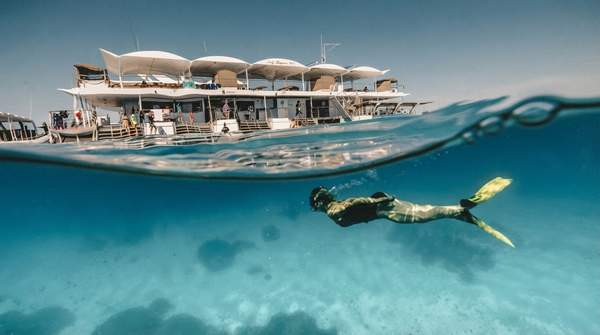
Outdoor Time and Enhanced Mental State
Engagement with the natural world offers a profound shift in mental state, moving beyond the mere absence of stress. Short nature breaks foster a more balanced psychological outlook, shifting internal experience from hurried reaction to thoughtful presence. Immersed in nature, individuals find clearer perspective, reduced mental clutter, and enhanced capacity for reflection. This deliberate disconnection from urban demands cultivates a deeper sense of internal calm, essential for mitigating the pervasive effects of fast-paced, alienated lives. Environmental disconnection contributes significantly to widespread mental health issues; thus, prioritizing outdoor time becomes a fundamental component of mental well-being, offering tangible relief from daily pressures.
Slow Living: Enhancing Physical Awareness
Beyond cognitive and emotional benefits, slow living tangibly improves physical safety. This practice encourages greater awareness of surroundings and body movements, directly reducing the likelihood of missteps and injury, according to Harvard Health. This heightened mindfulness extends to daily activities, from navigating uneven terrain to performing simple tasks, making movements deliberate and controlled. The surprising benefit of reduced physical injury suggests that slow living principles offer a holistic 're-calibration,' addressing a broader societal decay by simply slowing down.
Slow Living and Social Connection
How does slow living improve social interactions?
Slow living fosters deeper social connections by encouraging presence in conversations. This means actively listening more and talking less, allowing for richer exchanges of ideas and emotions, according to Harvard Health. Fast-paced, digitally-driven communication often degrades genuine human connection, making intentional slowness a radical act of relational repair.
What are the benefits of cultural immersion through travel?
Cultural immersion offers profound personal growth and expanded perspectives. Extended stays in local communities facilitate a deeper understanding of traditions, daily routines, and local perspectives. This engagement, often including learning local languages or participating in traditional activities, creates genuine connections hurried itineraries cannot provide.
How can I experience authentic culture while traveling slowly?
Experiencing authentic culture while traveling slowly requires commitment to local engagement. Opt for homestays, frequent local markets, and seek community-led tours over standard tourist packages. Dedicating several days or weeks to a single location allows participation in local festivals, culinary workshops, or volunteering, fostering a truly immersive experience.
The Cognitive Benefits of Attentiveness
The intentional practice of slow living yields direct, measurable cognitive improvements. Attentiveness through slow living improves concentration and short-term memory, confirms Harvard Health. Enhanced mental acuity serves as a powerful antidote to cognitive degradation from constant digital stimulation, which erodes fundamental cognitive functions. Cultivating attentiveness through slow practices becomes a vital tool for sustained cognitive performance, positioning slow living as a mandatory psychological intervention to restore human capacities. Individuals prioritizing deliberate practices like daily mini-unplugs and slow adventure will likely demonstrate superior cognitive resilience and overall well-being compared to those trapped in cycles of constant acceleration and digital overload.