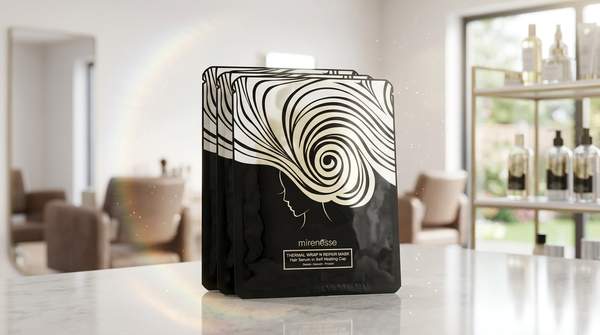
One in eight U.S. adults are now taking GLP-1 medications, a pharmaceutical shift that is unexpectedly driving sales spikes in everything from hair loss products to fresh produce. Widespread adoption of GLP-1 medications, reported by Wells Fargo, reflects a profound re-evaluation of personal health and wellness priorities across the nation. The medications, initially developed for chronic conditions, are catalyzing a broader consumer movement.
But GLP-1 drugs are medical treatments, their rising usage is creating a booming, consumer-facing wellness market that extends far beyond pharmaceutical sales. The tension between clinical intent and market reality highlights a critical divergence, where medical interventions are becoming lifestyle catalysts.
Companies across the consumer goods, wellness, and retail sectors must adapt their strategies to cater to the evolving needs and purchasing patterns of GLP-1 users, or risk being left behind in this rapidly transforming market. The GLP-1 halo effect on consumer lifestyle and wellness in 2026 is not merely a trend, but a foundational reordering of demand.
The global market for pharmaceutical preparations used in the treatment of obesity and diabetes is shifting from a clinical, prescription-driven category toward a consumer-facing, benefit-led wellness segment, according to IndexBox. The transformation of the global market suggests that the rapid and widespread adoption of GLP-1s is fundamentally altering the perception of these medications. Consumers are increasingly viewing GLP-1s as a tool for broader wellness, extending beyond strict medical necessity, thus opening new avenues for related consumer products and services.
This shift is particularly notable because the relatively high cost of GLP-1s, even with direct-to-consumer (DTC) options, is not hindering their rapid integration into consumer wellness. The fact that the relatively high cost of GLP-1s, even with direct-to-consumer (DTC) options, is not hindering their rapid integration into consumer wellness indicates a strong willingness among users to pay for perceived benefits that extend beyond just medical necessity, thereby establishing a premium wellness segment. The market is not just expanding in volume, but also in its willingness to embrace diverse access points and price structures.