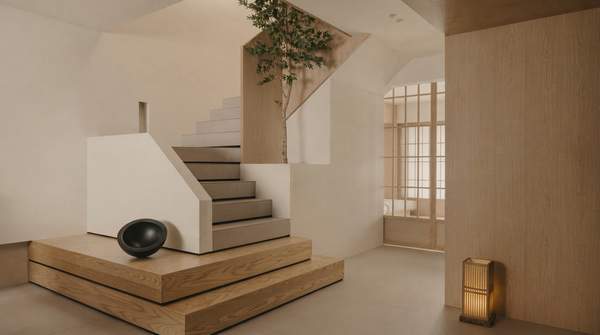
In the bustling density of urban life, where space is a luxury and the pace is relentless, minimalist design has emerged as more than an aesthetic—it is a practical philosophy for modern living. For those in small apartments, this approach offers a serene and functional contrast to the chaos outside. By prioritizing simplicity, functionality, and calm, minimalism transforms compact quarters into harmonious retreats. The practice strips away the non-essential to create an environment that enhances both physical space and mental well-being, offering clarity and tranquility.
At its core, minimalism is about intentionality. It involves carefully selecting only the elements that serve a clear purpose, turning a small apartment into a stylish and functional sanctuary. This design philosophy is not about stark emptiness but about creating purposeful spaces that contribute to a more balanced and fulfilling lifestyle. Through an emphasis on clean lines, open layouts, and neutral color palettes, minimalism fosters a sense of order and peace, making a home feel organized, visually restful, and easy to maintain.
Your Minimalist Decluttering Checklist
The foundational step in creating a minimalist home is a thoughtful and systematic reduction of clutter. This process is less about discarding possessions and more about curating them, ensuring that every object in your home has earned its place. The objective is to eliminate visual distractions and retain only what is essential, functional, or deeply meaningful. This intentional approach encourages a focus on quality over quantity and transforms the often-overwhelming task of decluttering into a series of clear, purposeful decisions. The following framework is designed to guide you through evaluating each item in your apartment.
| The Question to Ask | The Minimalist Rationale |
|---|---|
| 1. Does this item have a clear and practical function? | Minimalism prioritizes functionality. According to this principle, every object should justify its presence through its utility. This question forces an assessment of whether an item actively supports your daily life or is simply taking up valuable space. |
| 2. Is this item essential for my comfort or well-being? | This helps distinguish true necessities from accumulated possessions. It encourages a focus on items that actively improve your quality of life, from a comfortable reading chair to cherished artwork that brings you joy, ensuring your home is a true sanctuary. |
| 3. Does this item contribute to a visually calm and uncluttered environment? | Minimalism aims to reduce the visual noise that can contribute to stress. An item might be functional, but its shape, color, or condition could still create a sense of messiness. This question helps identify and address sources of visual clutter. |
| 4. Am I keeping this intentionally, or simply out of habit or obligation? | This prompts a conscious evaluation of your belongings. It challenges you to move beyond passive ownership and actively choose the elements that define your personal space, freeing you from items kept for reasons that no longer apply. |