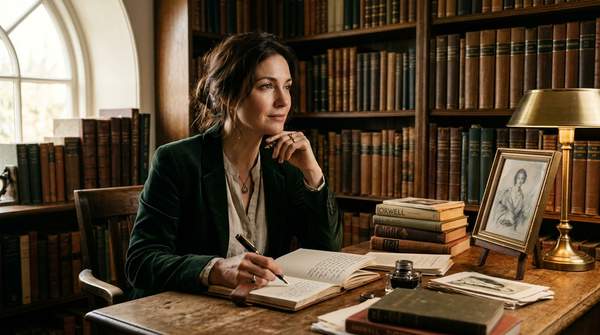
Literary diversity is not only about who gets published. It can also come from the genres, ideas, artistic forms, and perspectives that a publication is willing to bring into the same conversation. The Oxford Review takes a broad approach to literary and cultural publishing, bringing together fiction, nonfiction, poetry, satire, criticism, artwork, and commentary alongside subjects such as books, fashion, and culture.
This article explores how The Oxford Review broadens the literary landscape through its eclectic content, cross-disciplinary editorial perspective, and willingness to make room for work that does not always fit conventional categories.
An Eclectic Approach to Literary Publishing
A diverse literary landscape needs room for different forms of expression. The Oxford Review embraces this through a deliberately wide-ranging mix of content rather than limiting itself to one genre or literary style.
Its current editorial mix includes short fiction, memoir, satire, poetry, criticism, artwork, and polemical writing. The publication also explores books, fashion, culture, and current events, giving literary work a wider cultural setting.
That range matters because readers do not encounter literature in isolation. Fiction can sit alongside criticism. Poetry can exist beside visual art. Satire can engage with cultural commentary. A literary journal can therefore become a place where different forms of creative work meet instead of remaining separated into narrow categories.
Making Space for Overlooked Literary Genres
The Oxford Review's approach also extends to genres that can receive less attention from traditional literary publications. Its stated editorial vision includes an interest in psychological thrillers, literary scientific musings, satire, polemics, and other work that may not fit neatly into familiar literary categories.
This is an important part of creating a broader literary landscape. Literary publishing does not have to be defined by a fixed set of forms. Writers can explore unusual combinations of ideas, styles, and subjects while still maintaining attention to language and craft.