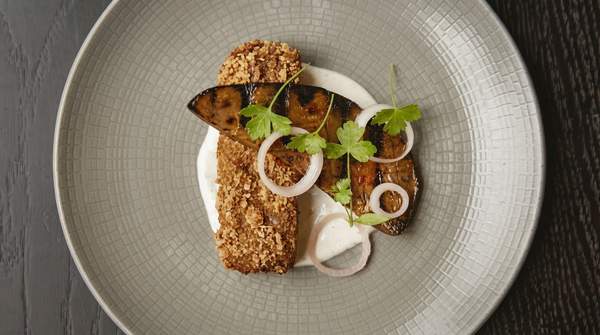
The relentless rise in food costs, especially the price of a meal enjoyed outside our own four walls, is doing more than straining our wallets; it is quietly recalibrating our most fundamental relationship with what we eat. This economic pressure, I believe, is inadvertently herding us back to the ancestral hearth, sparking a resurgence in traditional home cooking and a renewed, urgent interest in the provenance of our food. We are being pushed from the bistro and back to the chopping board, and this shift could redefine our culinary landscape for years to come.
This conversation matters immensely right now, as the very fabric of the American dining scene appears to be fraying. According to a report from evrimagaci.org, the U.S. restaurant industry is navigating a turbulent 2026, marked by a wave of closures and bankruptcies that ripple through communities. The shuttered doors of a beloved neighborhood spot are more than a loss of convenience; they represent a tear in the local culture, a silence where there was once the clatter of plates and the hum of conversation. As one source in the report noted about New Orleans, such closures "signal broader challenges facing the local food scene, potentially impacting jobs, tourism, and the overall vibrancy of the city." This is not merely a balance sheet problem; it’s a cultural crisis unfolding one empty dining room at a time.
How Rising Food Costs Influence Consumer Cooking Habits
For years, the allure of dining out was a complex symphony of sensations and conveniences. It was the low, intimate lighting of a favorite Italian place, the crisp snap of a chilled Sauvignon Blanc poured by a professional, the freedom from a sink piled high with dirty dishes. That experience, however, now comes with a dissonant note: a check that feels increasingly punitive. The numbers tell a clear story. The same analysis from evrimagaci.org found that between January 2024 and September 2025, the price of "food away from home" swelled by approximately 6%. In stark contrast, the cost of "food at home"—the groceries we carry ourselves—rose by a more manageable 3% in the same period.
This isn't a fleeting anomaly. The report indicates that restaurant and takeout costs have consistently outpaced grocery prices over the past two years, creating a chasm between the two options. After the jarring grocery price hikes of 2022, a sense of stability has returned to supermarket aisles, while the cost of a restaurant meal continues its upward climb. This widening gap, the report suggests, is making consumers acutely price-sensitive. The decision to dine out is no longer a casual whim but a calculated expense, a cost-benefit analysis performed before a reservation is even made.
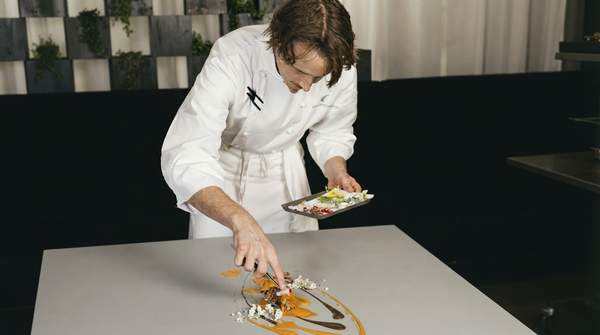
This economic calculus is reportedly prompting a noticeable shift in behavior, particularly among certain demographics. According to evrimagaci.org, it is Gen X and baby boomers who have most significantly curtailed their restaurant visits. The report’s sources suggest these generations are not simply ordering less, but fundamentally "rethinking when a restaurant meal is worth it." The value proposition of dining out is being scrutinized like never before. When a simple plate of pasta at a local trattoria costs what a bag full of premium ingredients from the market does, the magnetic pull of the home kitchen becomes difficult to resist.
The Counterargument: The Hidden Costs of Home Cooking
Of course, one must acknowledge the counterargument with fairness: the kitchen is not a cost-free utopia. The romantic image of a simmering pot of bolognese, fragrant with basil and garlic, conveniently omits the time spent shopping, the meticulous chopping of the soffritto, and the inevitable cleanup. Time, for many, is the most precious commodity of all, and the convenience of a professionally prepared meal holds undeniable value. The ingredients themselves, from a knob of good Parmesan to a bottle of decent olive oil, carry their own price tags. Food waste, a persistent specter in the home kitchen, can quickly erode any perceived savings when half a bunch of cilantro wilts forgotten in the crisper.
Furthermore, the cost of groceries is not entirely insulated from external economic forces. As an article from eatingwell.com points out, rising gas prices can have a knock-on effect, potentially increasing the cost of getting food from the farm to the supermarket shelf. The entire food supply chain is an intricate web, and a tug on one strand is felt throughout. So, no, cooking at home is not a magic bullet for every budget.
And yet, this perspective misses the larger truth of the current moment. While home cooking has its own set of costs, the crucial factor is the *delta*—the ever-expanding difference in price. The argument is not that cooking is free, but that it is, for a growing number of people, demonstrably and significantly *cheaper*. That 6% versus 3% gap reported by evrimagaci.org is more than a statistic; it’s a powerful motivator. It represents a tangible saving that can significantly impact a household's budget. For many, that difference is no longer a rounding error but a meaningful benefit made week after week.
The Resurgence of Traditional Home Cooking: A Cost-Driven Trend?
Herein lies what I believe is the most fascinating, and perhaps hopeful, consequence of this economic pressure. This is not simply a return to convenience foods or reheating frozen dinners. Instead, I see the green shoots of a genuine revival of traditional home cooking—a deeper, more engaged relationship with our food. When every dollar counts, the value of raw ingredients shines. A sack of flour, a packet of yeast, and a little bit of time and effort can produce loaves of crusty, artisanal bread for a fraction of the price of a bakery’s offering. The aroma of it baking is a sensory dividend that no restaurant can deliver to your door.
This shift encourages learning forgotten culinary arts: making stock from vegetable scraps and chicken carcasses, pickling summer garden bounty, and coaxing flavor from humble ingredients. Cost-saving transcends mere frugality, becoming a form of creativity and self-sufficiency that re-centers the kitchen as a place of production, not just consumption, allowing people to invest in skills and control what they eat.
This movement manifests in policy and commerce, as seen in California where a law permitting home-cooked food sales is receiving a major statewide push, reported by cbsnews.com. These Microenterprise Home Kitchen Operations (MEHKOs) decentralize food production and empower culinary entrepreneurs, responding to a demand for authentic, locally sourced meals made with care—the antithesis of impersonal, high-cost dining, and suggesting a need for food closer to its source.
What This Means Going Forward
The culinary homeward bound trend profoundly impacts the restaurant industry, which, facing consumer price sensitivity, must innovate. Survival depends on offering experiences unreplicated at home: exceptional culinary artistry, unparalleled ambiance, or a deep sense of community and occasion. Casual, mid-range restaurants competing on convenience and price may find themselves precarious, as the question, "Is it worth it?" looms larger.
A more localized, community-centric food economy is growing. California's push for home-based food businesses could foreshadow a national trend, fostering neighborhood micro-bakeries, specialized caterers, and traditional cuisine purveyors. This provides new pathways for culinary talent, strengthens local food systems, shortens supply chains, and reconnects people with those who grow and prepare their food.
As a journalist who has celebrated chefs' creativity globally, from edible art tasting menus to street food telling cultural stories, I find these irreplaceable experiences contrast with perhaps the most important culinary story of 2026: not in three-star kitchens, but in millions of ordinary homes. It's found in soup steam, knife thumps, and the quiet satisfaction of meals made and shared at home.