In the pursuit of complex and memorable flavors, modern chefs and ambitious home cooks are turning to ancient preservation methods, transforming them into powerful culinary tools. Three distinct techniques—koji fermentation, garum production, and lacto-fermentation—offer unique pathways to flavor creation. While all involve transformation over time, they rely on fundamentally different biological processes. Understanding these differences is key to selecting the right method, whether the goal is a deeply savory sauce, a sweet and complex paste, or a bright, tangy pickle.
Koji and garum are primarily enzymatic processes that excel at creating umami, the rich, savory taste found in broths and cured meats. In contrast, lacto-fermentation is a bacterial process that produces the characteristic tangy acidity of foods like sauerkraut and kimchi. By mastering the principles behind each, a cook can move beyond simply following recipes and begin to design flavors from the ground up.
Koji: The Enzymatic Catalyst
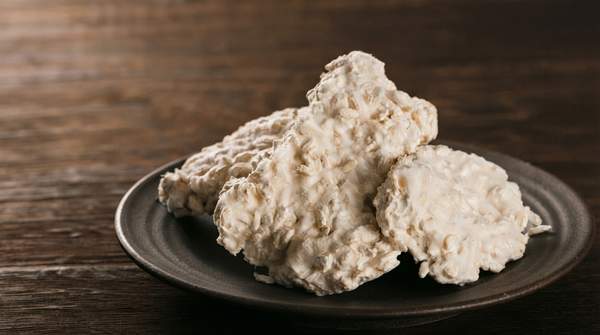
At the heart of many foundational ingredients in Japanese, Korean, and Chinese cuisine lies koji. This is not a finished food but a powerful starter ingredient, typically made by inoculating cooked grains like rice or barley with the spores of a mold called Aspergillus oryzae. For thousands of years, it has been the key to making miso, soy sauce, sake, and rice vinegar. The magic of koji is in the enzymes it produces as it grows.
These enzymes act as biological scissors. Amylase enzymes break down starches into simple sugars, creating a natural sweetness without any added sugar. Simultaneously, protease enzymes break down proteins into their constituent amino acids, most notably glutamic acid, which is responsible for the flavor of umami. According to Off The Deck Hot Sauce, a company that uses the technique for its products, this enzymatic conversion results in a flavor base that is "deeply savory, dense, and complex." Unlike other methods that require a liquid brine, a koji ferment is often a salted mixture of the primary ingredient and the koji-cultivated grain, working together without added water.