Gourmet chefs craft memorable dining experiences by strategically manipulating the science of flavor perception. Flavor is not merely taste; it is a complex, multisensory phenomenon that integrates gustatory (taste), olfactory (smell), tactile (texture and mouthfeel), visual, and even auditory cues into a unified sensory experience. This dynamic integration occurs in the brain, particularly in areas like the orbitofrontal cortex and insula, which bind these diverse signals into a coherent perception, according to research highlighted in the Nature Index. This neural coordination allows us to perceive a single, nuanced impression from a multitude of sensory inputs.
Chefs leverage both intrinsic factors—such as a food's chemical composition, texture, and aroma molecules—and extrinsic cues, including color, presentation, and ambient sound, to shape both the intensity and hedonic quality of flavor. By understanding how these elements interact, culinary artists can create sophisticated profiles that engage diners on multiple sensory levels, transforming a meal into an immersive experience that transcends mere sustenance.
The Multisensory Flavor Integration Model
Flavor perception is a holistic experience, dynamically integrating multiple sensory inputs and influenced by both the inherent properties of food and external environmental or psychological factors. Chefs strategically manipulate these elements to create complex and memorable dining experiences. The following model illustrates how various sensory inputs combine to form a unified flavor percept and highlights points of culinary manipulation:
| Sensory Input | Culinary Manipulation | Impact on Perception |
|---|---|---|
| Gustatory (Taste) | Chefs enhance taste by focusing on fundamental elements like umami and balancing congruent or complementary flavors. | Umami deepens lingering flavor, contributing to a satisfying, mouthwatering quality. Congruent pairings (e.g., sweet with sweet) can intensify tastes, while complementary pairings (e.g., fish and lemon) balance different components, preventing overpowering sensations. |
| Olfactory (Aroma, Retronasal) | Chefs manipulate aroma through timing its release and ensuring its complexity and clarity. | Aromas contribute significantly to a dish's distinct identity and memorable nuance, especially through retronasal olfaction (smelling food from inside the mouth). Strategic timing of aroma release can unfold the flavor profile dynamically throughout the eating experience. |
| Tactile (Texture/Mouthfeel) | Chefs use techniques like sous-vide and searing to precisely control and contrast food textures. | Sous-vide cooking delivers precise tenderness and flavor by maintaining cell integrity, while searing adds a contrasting crisp exterior. This mixture of textures excites the senses, creating engaging bites with a pleasing pace and enhancing the overall dining experience. |
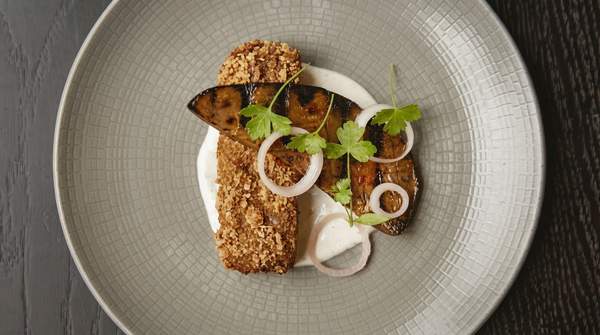
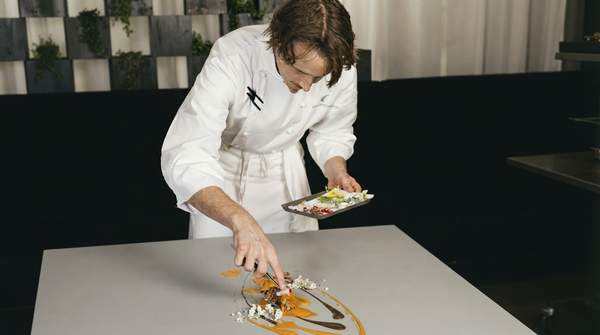
| Visual (Color, Presentation) | Chefs carefully consider the color, plating, and overall presentation of a dish. | The visual presentation and color of food can significantly influence perceived flavor, setting expectations for taste (e.g., vibrant colors suggesting freshness) and enhancing the dish's appeal before it is even tasted. |
| Auditory (Sound, Sonic Seasoning) | Chefs may incorporate sounds associated with food (e.g., crunch) or ambient music. | Auditory cues can influence the perception of crispness, freshness, and even the perceived sweetness or bitterness of food. The sound of a dish being prepared or consumed can contribute to the overall sensory narrative. |
| Neural Integration | Chefs orchestrate all sensory inputs to guide the brain's dynamic integration. | The brain integrates gustatory, olfactory, tactile, visual, and auditory cues into a unified flavor experience, forming a single, nuanced impression that chefs learn to steer. This holistic perception is the ultimate goal of culinary artistry. |
Mastering Taste and Aroma: The Chef's Palette
In fine dining, flavor perception is a product of three complementary systems: the gustatory system (taste buds), the olfactory system (smell), and the trigeminal nerve (which detects temperature, texture, and chemesthetic cues), as explained by Kaviar Restaurants. Our tongues identify fundamental tastes like salts, acids, and glutamates, while our noses detect volatile compounds that create aroma. Trigeminal inputs register sensations such as heat, coolness, and pungency, adding another layer to the sensory profile.
Chefs strategically manipulate these systems to build complex flavor profiles. For instance, umami, a savory taste, holds a central place in Japanese cuisine, signaling satisfaction and promoting harmony among ingredients. It contributes to a deep, satisfying, and mouthwatering quality, enhancing the persistence of flavor on the palate. Beyond umami, chefs meticulously balance congruent flavors, where tastes and aromas match (e.g., sweet with sweet), or complementary flavors, where different components work well together. For example, the acidity of lemon can balance the creaminess of fish protein, creating a harmonious and exciting mouthfeel, according to research from the University of Melbourne.
Aroma is another critical component, often perceived through both orthonasal (direct sniffing) and retronasal (from the mouth to the nasal cavity) pathways. Chefs aim for complexity and clarity in aromas, understanding that the retronasal effect is crucial for a distinct and memorable nuance that unfolds as we chew. The timing of aroma release can also be manipulated, perhaps through layering ingredients that release their volatile compounds at different temperatures or stages of consumption, ensuring specific scents are perceived at optimal moments during the dining experience.
The Art of Texture: Elevating Mouthfeel and Perception
Texture, often referred to as mouthfeel, plays a significant role in flavor perception, exciting the senses and enhancing the dining experience through a deliberate mixture of textures. A dish with varied textures, such as a crisp exterior giving way to a tender interior, creates an engaging and pleasing pace for the diner, as noted by Kaviar Restaurants. Chefs employ various techniques to precisely control and contrast textures, thereby profoundly influencing the overall flavor profile.
One such technique is sous-vide cooking, a French method where food is vacuum-sealed and slow-cooked in a water bath at precise, constant temperatures. This method allows for exceptional control, delivering food with more tenderness and flavor than traditional techniques, according to Dr. Bruno Goussault, a sous-vide pioneer. Sous-vide ensures consistent results, maximizing taste, texture, and aroma by preventing the breakdown of cell walls that can lead to a poor, mealy texture, as noted by Sous-Vide Magazine. For example, pre-cooking in a sous-vide can pasteurize surface bacteria, initiate flavor and aroma development through the Maillard reaction, and fix the food's shape.
Subsequently, post-cooking searing can re-crisp the exterior after it has softened in the bag, according to Toufood. This precision and consistency make sous-vide a valuable tool for chefs in fine-dining establishments and high-volume kitchens alike, as highlighted by EHL Insights, allowing them to consistently achieve desired textural outcomes.
By combining techniques like sous-vide for precise tenderness with searing for a crisp exterior, chefs create a dynamic textural experience. This thoughtful contrast not only excites the senses but also complements and elevates the perceived flavors, making each bite more engaging and memorable.
Beyond the Palate: Visual, Auditory, and Psychological Cues
Flavor perception extends beyond taste, smell, and texture to include powerful visual and auditory elements, as well as psychological factors that shape our dining experience. The visual presentation of food, including its color, plating, and overall aesthetic, significantly influences how diners perceive its flavor. For instance, vibrant colors can set expectations for freshness or sweetness, while a meticulously arranged plate can elevate the perceived quality and complexity of a dish before it even touches the palate, as explored by PBS LearningMedia's "The Science of Flavor."
Auditory cues also play a subtle yet impactful role. The sound of food, such as the satisfying crunch of a crisp vegetable, the sizzle of a perfectly seared steak, or the gentle pop of caviar, can enhance the perception of freshness, quality, and even specific textural attributes. This concept, sometimes referred to as "sonic seasoning," suggests that sounds can influence the perceived taste of food, making a dish seem sweeter, more bitter, or even more savory. Chefs might intentionally incorporate or highlight these sounds to create a more immersive and engaging sensory narrative for the diner.
Beyond these direct sensory inputs, psychological elements, including cultural context, personal expectations, and the dining environment, profoundly shape the overall experience. A chef's reputation, the restaurant's ambiance, the story behind a dish, or even the cultural significance of certain ingredients can all contribute to a diner's enjoyment and perception of flavor. By orchestrating these extrinsic cues alongside the intrinsic properties of the food, chefs create an immersive experience that transcends mere sustenance, crafting a holistic memory for the diner.
Enhancing Your Next Dining Experience
To fully appreciate the artistry of gourmet cuisine, actively engage with the multisensory aspects of your meal. Pay attention not only to the tastes and aromas but also to the textures, the visual presentation, and even the subtle sounds associated with your food. Consider how the chef has balanced congruent or complementary flavors, or how different textures are combined to create an engaging mouthfeel. Notice how specific culinary choices, such as the contrast in textures or the timing of aroma release, influence your perception of flavor. By doing so, you can deepen your appreciation and enjoyment of the intricate experiences chefs meticulously craft, transforming each meal into a more profound sensory journey.
Sources
- Multisensory Perception of Flavor in Food Systems — NATURE
- The Science of Taste: How Flavors Work in Gourmet Dishes – Kaviar Restaurants — Kaviarrestaurants
- Pursuit
- What Is Sous Vide? — SOUS-VIDE Magazine
- 5 professional tips for Sous Vide cooking – toufood.com
- What Is Sous Vide? The Ultimate Guide to Mastering Precision Cooking — Insights
- NOVA: Can I Eat That? | The Science of Flavor | NOVA… — PBS LearningMedia