Despite holding some of the most intimate and revealing artistic expressions, over 90% of a major museum's works on paper collection may never be on public display due to conservation concerns, according to The Getty Conservation Institute. This vast, unseen archive offers direct, unmediated access to an artist's initial ideas and evolving vision. Yet, these crucial artistic blueprints remain largely inaccessible, creating a disconnect where visitors miss fundamental glimpses into how art truly evolves. While conservation needs constrain their public visibility, works on paper remain a critical, if often hidden, cornerstone for understanding art history and artistic genius.
What Exactly Are 'Works on Paper'?
Works on paper encompass a vast range of media: drawings, prints, watercolors, pastels, and photographs, notes the Metropolitan Museum of Art. Unlike oil paintings, these pieces use water-soluble pigments or dry media on a cellulose-based support, a distinction highlighted by the Tate Modern. This material difference makes them unique.
The term 'drawing' itself can refer to a finished artwork, a preparatory sketch, or a study for another medium, explains the British Museum. Historically, paper was more accessible and portable than canvas or fresco, allowing for widespread artistic experimentation, according to the Art History Journal. Paper's accessibility and portability meant artists could rapidly explore ideas, making paper a foundational medium for artistic development and a direct window into creative processes.
A Direct Line to Artistic Thought and Cultural Shifts
During the Renaissance, Michelangelo's charcoal and chalk drawings were crucial blueprints for his frescoes and sculptures, according to the Vatican Museums. This foundational use of paper for major artistic projects evolved with the 15th-century rise of printmaking. Printmaking democratized art, disseminating images and ideas widely for the first time, influencing public opinion and education, reports the Gutenberg Museum. Michelangelo's charcoal and chalk drawings and the 15th-century rise of printmaking show how paper became both a private workshop tool and a public communication channel.

Japanese ukiyo-e woodblock prints from the Edo period depicted everyday life and significantly influenced Western Impressionist artists, a fact noted by the Museum of Fine Arts, Boston. Similarly, political cartoons and satirical illustrations, which shaped public discourse, were exclusively created and circulated as prints or drawings on paper, states the Library of Congress. Japanese ukiyo-e woodblock prints and political cartoons underscore paper's dual role: not just as a medium for artistic genesis, but as a powerful, accessible tool for cultural communication and social commentary that profoundly shaped societies.
Why Museums Cherish These Fragile Treasures
Works on paper provide direct evidence of an artist's thought process—corrections, initial ideas, and evolving compositions—according to MoMA. The immediacy of works on paper, providing direct evidence of an artist's thought process, offers unique insights into creative development. However, conservation efforts are highly specialized, demanding precise control of light, humidity, and temperature to prevent degradation, explains the Smithsonian American Art Museum. The precise control of light, humidity, and temperature required for conservation explains why so many pieces remain in storage, a necessary trade-off for their preservation.
Beyond artistic insights, works on paper preserve vital historical documents, maps, and architectural plans within museum archives, including those at the National Archives. The study of watermarks and paper types in old master drawings also helps authenticate works and trace their provenance, according to International Paper Historians. These fragile pieces, despite their limited public display, are irreplaceable scholarly resources, offering unparalleled access to both artistic intention and historical context.
Common Questions and Misconceptions
What are the main types of works on paper in art museums?
Beyond drawings and prints, museums collect ephemeral works like posters, tickets, and even architectural models made from paper. These items offer unique insights into daily life and historical events, extending beyond traditional fine art.
How are works on paper preserved in museums?
Preservation demands specific environmental controls: stable temperatures around 68°F (20°C) and relative humidity between 45-55%, plus specialized archival storage. These measures prevent deterioration from light, acidity, and pests, ensuring the longevity of fragile pieces, as detailed by Canada Ca.
What is the role of prints in art museums?
Prints serve as critical records of artistic movements and societal changes, often reaching broader audiences than unique artworks. They also allow study of an artist's evolving techniques across multiple impressions, offering a unique lens into creative iterations and historical dissemination.
The Enduring Legacy of Paper in Art
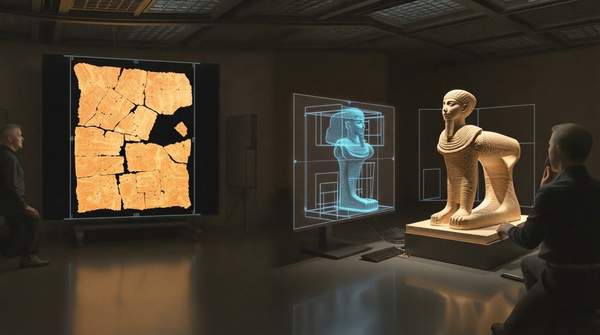
Despite technological advancements, paper's direct, unmediated connection between artist and surface remains a fundamental mode of artistic expression, a point emphasized by Contemporary Drawing Magazine. Paper's direct, unmediated connection between artist and surface continues to attract artists. Museums are now investing in advanced digital imaging and virtual exhibitions to make their vast, unseen paper collections accessible to a global audience, with platforms like Google Arts & Culture expanding their reach.
The market for contemporary drawings and prints is growing, reflecting a renewed appreciation for the immediacy and experimental nature of works on paper, according to an Art Basel Report. However, unless museums significantly invest in high-fidelity digital archiving and innovative virtual display technologies, the profound insights offered by works on paper will remain perpetually locked away, hindering a truly comprehensive public understanding of art history. By 2026, increased digital investment could transform access to these collections, offering new perspectives on artistic development and finally bringing these hidden treasures into the light.