The New River Gorge National Park and Preserve has been rated the number one best underrated travel destination in the country, an announcement made Tuesday by West Virginia officials celebrating the recognition from U.S. News & World Report.
This designation places a significant national spotlight on a region celebrated for its raw, Appalachian beauty and world-class adventure sports, yet often overlooked in favor of more crowded national parks. The honor, announced by Governor Patrick Morrisey at the iconic Canyon Rim Visitor Center, signals a pivotal moment for West Virginia's tourism industry, which officials report already contributes over $9 billion to the state's economy annually. For travelers seeking the grandeur of a national park experience without the congestion of more famous counterparts, the New River Gorge now stands officially recognized as the premier choice.
What We Know So Far
- New River Gorge National Park and Preserve was officially rated the number one underrated travel destination in the United States by U.S. News & World Report.
- The announcement was made by West Virginia Governor Patrick Morrisey on Tuesday during an event at the Canyon Rim Visitor Center in Lansing, W.Va., which overlooks the New River Gorge Bridge.
- According to U.S. News, the ranking was based on an evaluation of more than 1,500 destinations, combining reader votes with editor input, specifically considering factors like scenery, activities, and crowd levels.
- State officials reported that tourism generates a total economic impact exceeding $9 billion in West Virginia, with over $1 billion in direct spending occurring in the New River Gorge region alone.
- The park, which received its national park designation in December 2020, welcomed more than 1.8 million visitors in 2024, according to the News and Sentinel.
What Makes New River Gorge America's Best Underrated Destination?
From my vantage point as a journalist who has traversed canyons and climbed peaks across the globe, the word "underrated" carries a specific, almost sacred, meaning. It suggests a place that delivers an experience far exceeding its reputation—a pocket of the world that has, so far, escaped the homogenizing effects of mass tourism. The designation of New River Gorge as the nation's best in this category is not just a headline; it is a formal acknowledgment of a truth that seasoned adventurers and locals have long held dear. The secret, it seems, is finally out.
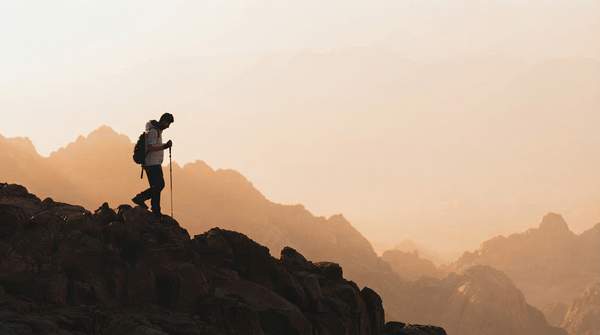
The criteria used by U.S. News & World Report offer a clear framework for this recognition. The publication’s senior travel editor, Elizabeth Von Tersch, stated that the New River Gorge earned its top spot for a potent combination of "dramatic scenery, world-class rafting opportunities and unique perspective on Appalachian history," according to WSAZ. This isn't just about pretty views; it's about a multi-layered experience. The scenery is indeed dramatic—a deep, rugged canyon carved by one of the oldest rivers on the continent. The iconic New River Gorge Bridge, a breathtaking arch of steel soaring 876 feet above the water, serves as the park's stoic centerpiece. But the landscape's appeal is more intimate than just its grand scale. It’s found in the misty mornings that fill the gorge, the lush forests that cling to its steep sides, and the quiet trails that lead to hidden waterfalls and historic, abandoned mining towns.
Beyond the visual splendor lies a kinetic energy that draws thrill-seekers from around the world. The "world-class rafting" is no exaggeration. The New River is a formidable force, with sections of churning whitewater that provide some of the most challenging and exhilarating rapids in the eastern United States. Yet, it also offers calmer stretches perfect for kayaking, fishing, or a gentle float. This duality is central to its appeal. As officials noted, Americans are increasingly seeking vacations centered around activities like hiking, camping, and mountain biking—all of which are cornerstones of the Gorge experience. The park is a sprawling playground, its sandstone cliffs a mecca for rock climbers and its vast network of trails a paradise for hikers and bikers of all skill levels.
Perhaps the most crucial element, however, is what the park lacks: overwhelming crowds. The destination is often compared to the Great Smoky Mountains National Park, but as reports note, it offers a similar outdoorsy experience with shorter peaks, a more compact footprint, and significantly smaller crowds. This allows for a more personal, immersive connection with nature. It is this quality that truly defines an "underrated" destination—the space to breathe, to hear the river, and to feel a sense of discovery that is often lost in more frequented parks. Governor Morrisey captured this sentiment perfectly, stating, "the New River Gorge is not just underrated; It’s unforgettable."
The Economic and Cultural Impact of a Rising Star
The journey of the New River Gorge from a cherished local treasure to a nationally recognized destination has been remarkably swift, culminating in its designation as the nation's 63rd national park in December of 2020. This latest accolade from U.S. News is not merely a feather in its cap but a powerful engine for future growth, building on a momentum that is already reshaping the economic landscape of southern West Virginia. The announcement event itself, opened by Tourism Secretary Chelsea Ruby, was grounded in hard data that underscores the park's significance.
The numbers are compelling. According to WOAY, Secretary Ruby highlighted that the total economic impact of tourism in West Virginia now surpasses $9 billion annually. Within that statewide figure, the New River Gorge region is a powerhouse, accounting for more than $1 billion in direct spending. This is not abstract economics; it translates to thriving small businesses, from rafting outfitters and climbing guides to local restaurants and artisan shops in nearby towns like Fayetteville and Hinton. The 1.8 million visitors recorded in 2024 are not just sightseeing; they are fueling a regional economy, creating jobs, and sustaining communities that have historically been tied to the boom-and-bust cycles of the coal industry. This transition to a recreation-based economy represents a profound and hopeful shift for Appalachia.
This success is a point of immense local pride, a fact emphasized by the park's Acting Superintendent, Eric LaPrice. He credited the recognition to the collective effort of the park's dedicated staff, its numerous partners, and the surrounding communities. "Our staff, our partners and the communities around us pour their hearts into protecting this land and welcoming visitors from around the world," LaPrice stated. "This honor reflects their work, their pride, and their commitment to sharing the very best of West Virginia." This is a story of a community embracing its natural and cultural heritage and transforming it into a sustainable future. The park is more than just federal land; it is the heart of a regional identity, a testament to the resilience and warmth of its people.
What Happens Next
With the national spotlight now shining brightly on the New River Gorge, the primary question shifts from "if" people will come to "how" the region will manage the coming wave. The very essence of its "underrated" charm—the solitude, the lack of long lines, the feeling of personal discovery—will inevitably be tested. The immediate future for the park and its gateway communities will be a delicate balancing act between capitalizing on this well-deserved attention and preserving the unique character that earned it in the first place.
Park management and local tourism boards will likely face the challenge of accommodating increased visitor numbers without compromising the integrity of the natural environment or the quality of the visitor experience. This may involve developing new infrastructure, managing trail capacity, and promoting visitation during off-peak seasons to distribute the impact. The goal will be to avoid the pitfalls of over-tourism that have plagued other national parks, ensuring that the Gorge remains a sanctuary for both wildlife and people.
For prospective travelers inspired by this news, the call to visit is clear, but the approach matters. To truly experience the Gorge's magic, one might consider exploring beyond the most famous overlooks. Seek out the lesser-known trails, engage with local guides who can share stories of the area's rich coal mining history, and support the small businesses that give the region its authentic flavor. While the summer months bring the thrill of whitewater rafting, the vibrant autumn foliage and the quiet solitude of a spring hike offer equally profound, and less crowded, experiences.
Finally, this recognition elevates the New River Gorge to a new status, but it also shines a light on other destinations waiting to be discovered. According to the News and Sentinel, the U.S. News list also featured Great Basin National Park in Nevada and Baxter State Park in Maine. The trend toward seeking out these underrated gems is a clear signal of a shift in travel priorities. As the New River Gorge prepares for its new chapter, it serves as a powerful reminder that America's greatest treasures are not always its most famous, and the most rewarding journeys often lead to the places you least expect.


