Wellness Concepts in Fashion and Product Design Are Redefining Well-Being

While purchases of under-eye patches and magnesium supplements surged by over 400 percent, so too did low-waisted skirts and holographic luggage, indicating that 'wellness' has expanded far beyond tra

AV
Adrian Vale

April 18, 2026 · 4 min read

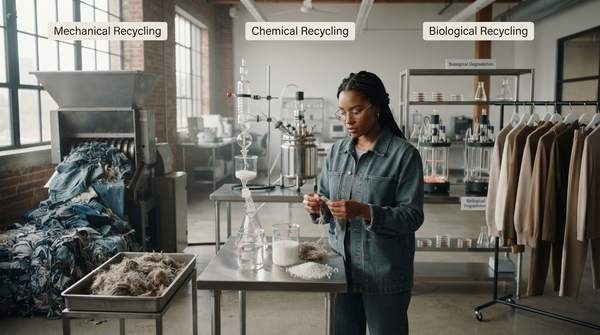
A modern, minimalist studio showcasing a fusion of avant-garde fashion and sleek, futuristic products, symbolizing the new era of wellness.

While purchases of under-eye patches and magnesium supplements surged by over 400 percent, so too did low-waisted skirts and holographic luggage, indicating that 'wellness' has expanded far beyond traditional health products. A broad embrace of wellness concepts in fashion and product design by 2026 shows a consumer base that conflates personal style and lifestyle signifiers with genuine well-being. The market now encompasses a spectrum from clinical health aids to purely aesthetic items, each contributing to a perceived sense of a holistic, aspirational self.

Consumers are seeking products for long-term well-being, but their purchasing habits also reflect a strong drive towards aesthetic and identity-based trends that may not offer direct health benefits. The tension highlights a significant gap between industry advice focused on measurable results and actual market drivers influenced by cultural expression.

Brands that can authentically integrate both functional wellness and aspirational lifestyle elements into their design and marketing strategies are likely to capture the evolving consumer market. An approach that integrates both functional wellness and aspirational lifestyle elements acknowledges the multifaceted nature of modern well-being, where external presentation holds nearly as much weight as internal health.

Beyond the Spa: The Blurring Lines of Wellness Purchases

  • 417 percent — Purchases of under-eye patches increased, according to WWD.
  • 417 percent — Purchases of magnesium supplements increased, according to WWD.
  • 403 percent — Purchases of skin care wands increased, according to WWD.
  • 369 percent — Purchases of low-waisted skirts increased, according to WWD.
  • 171 percent — Purchases of holographic luggage increased, according to WWD.

Disparate product surges indicate that consumers are interpreting 'wellness' through a broader lens that includes both functional health and personal expression. The growth rates for purely aesthetic items like low-waisted skirts are nearly on par with the most functional health products, underscoring this expanded definition.

Identity, Culture, and the Evolving Definition of Well-Being

Wellness CategoryPrimary DriverRepresentative Product (Growth)
Functional HealthMeasurable results, preventionMagnesium Supplements (417%)
Aesthetic & IdentityCultural trends, self-expressionLow-Waisted Skirts (369%)

Data reflects consumer purchase growth, according to WWD.

Culture and identity are playing a bigger role in consumer behavior and purchasing decisions than ever before, according to WWD. The data shows that the increasing influence of culture and identity means 'wellness' is no longer just about physical health, but also about how individuals perceive and present themselves in the world. The fact that 'wellness' is no longer just about physical health, but also about how individuals perceive and present themselves in the world, signals that consumers are not just buying products, but buying into a 'persona' of wellness, where external presentation is as critical as internal health.

The Brand Imperative: From Trends to Tangible Benefits

Brands should focus on products with improvement, performance, and prevention for long-term well-being and measurable results, according to WWD. However, the market simultaneously shows massive surges in items like low-waisted skirts and holographic luggage, which offer no direct health benefits. The market simultaneously showing massive surges in items like low-waisted skirts and holographic luggage, which offer no direct health benefits, suggests a significant gap between what industry experts advise brands to do for 'wellness' and what consumers are actually purchasing under that same umbrella.

To succeed, brands must move beyond superficial trends and genuinely integrate principles of long-term well-being and measurable results into their product design, even as they acknowledge broader lifestyle aspirations. Companies that fail to integrate identity and aesthetic appeal into their 'wellness' offerings risk missing a significant portion of the market, even if their products offer genuine health benefits.

Designing for the Holistic Self: The Future of Wellness Products

Companies that fail to integrate identity and aesthetic appeal into their 'wellness' offerings risk missing a significant portion of the market, even if their products offer genuine health benefits.

  • Magnesium supplements saw a 417% increase in purchases.
  • Low-waisted skirts saw a 369% increase in purchases.

The significant role of 'culture and identity' in consumer behavior suggests that brands exclusively focused on 'long-term well-being and measurable results' are operating with an outdated definition of wellness. Brands exclusively focused on 'long-term well-being and measurable results' are operating with an outdated definition of wellness, an approach that potentially alienates a consumer base that sees self-expression as integral to their overall well-being. The future of successful product design lies in understanding and catering to the consumer's desire for products that enhance both their physical well-being and their sense of identity and belonging.

Navigating the New Wellness Landscape

  • Companies failing to integrate identity and aesthetic appeal into 'wellness' offerings risk significant market share.
  • Brands exclusively focused on clinical health benefits operate with an outdated definition of wellness, alienating consumers.
  • The market's expansion reflects a fragmented consumer desire to signal a holistic, aspirational lifestyle, blurring self-care and self-expression.
  • Growth rates for purely aesthetic items like low-waisted skirts (369%) are nearly on par with functional health products like magnesium supplements (417%).

Businesses must recognize that the wellness market is now a complex interplay of health, lifestyle, and identity, requiring a nuanced approach to product development and marketing. By 2026, brands like Aura Apparel that successfully fuse aesthetic trends with tangible well-being benefits, such as designing activewear with advanced fabric technology that also reflects contemporary urban styles, will likely outperform competitors still adhering to a narrow definition of health.