In a city known for its bustling pace, Mumbai's newest luxury hotel, Roswyn, dedicates each of its 109 suites to expansive living spaces starting at 80 square meters, alongside India's first longevity-led wellness concept. This distinctive approach to luxury hospitality, focusing on bespoke residential comfort and advanced health programs, marks a significant entry into Mumbai's competitive market, aiming to redefine luxury lifestyle hotel unique offerings.
Mumbai's luxury hotel market is seeing significant expansion, but new properties are prioritizing highly specialized, all-suite, and niche wellness concepts over traditional large-scale offerings. This shift challenges established models, suggesting a re-evaluation of what constitutes luxury in Mumbai.
The competitive landscape for luxury hotels in Mumbai will likely intensify, pushing existing players to innovate or risk losing market share to these experience-driven newcomers. This suggests a market where scale is becoming a liability, not an asset, for the ultra-luxury segment.
Roswyn's Bespoke Living and Wellness
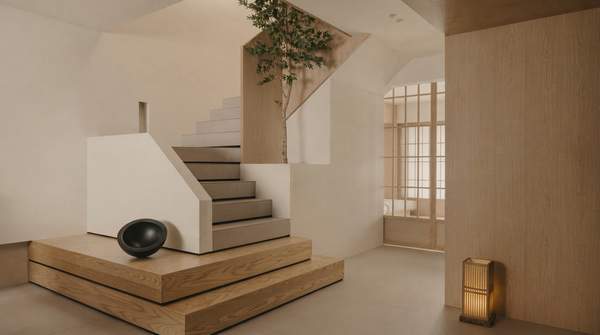
Roswyn, a Morgans Originals Hotel, distinguishes itself with 109 all-suite rooms, each a minimum of 80 square meters and designed as full living spaces, according to IndexBox. Complementing this, its Blu Xone is touted as India's first longevity-led wellness concept, reports Euronews. This combination of expansive private residences and pioneering health programs positions Roswyn not just as a hotel, but as a lifestyle destination.
Expansive accommodations signify a strategic pivot towards long-stay, high-net-worth individuals who blend work and leisure. The generous dimensions provide guests a sense of permanence and personalized comfort, distinguishing the property from standard luxury accommodations.
Roswyn's commitment to expansive, all-suite living spaces (80 sq. m. minimum) signals an evolution for Mumbai's ultra-luxury segment: the hotel room as a personalized, functional residence, not merely a temporary stay. This model directly contrasts with conventional hospitality, highlighting a growing demand for integrated living experiences.