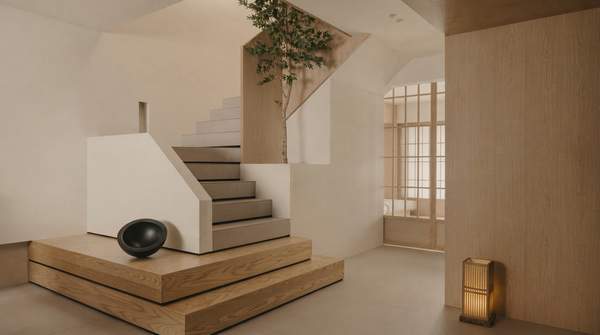
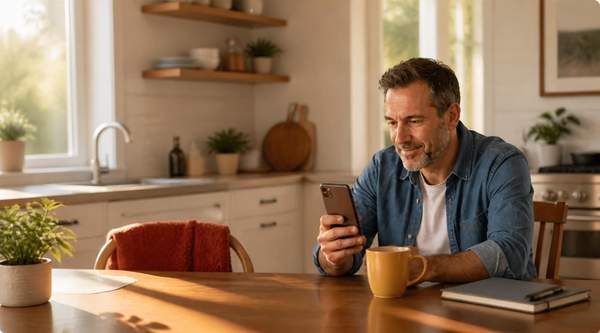
In a striking shift, 78% of interior designers now identify 'sensory minimalism' as a dominant trend for 2026, reorienting home environments towards mental and physical well-being, according to a Designers Guild Survey, March 2026. This focus on serene, functional spaces answers a growing consumer desire for tranquil residences. Pinterest data reveals a 150% surge in searches for 'biophilic design elements' and 'soundscaping for homes' in the last six months, underscoring public interest in integrating nature and calming acoustics, according to a Pinterest Trends Report, Feb 2026. Consumers demand ethically sourced, wellness-centric home decor, yet persistent supply chain issues and rising costs make these aspirational trends less accessible for the average budget. This creates a stark divide between homeowner aspirations and financial realities. Therefore, the home decor landscape for 2026 appears likely to bifurcate: a premium market embracing integrated wellness and sustainability, and a broader market seeking more affordable, DIY-driven solutions to achieve similar well-being goals.
The Rise of the Wellness Home
- Wellness architects report a 40% increase in client requests for dedicated 'recharge zones' or meditation spaces within homes, according to the Wellness Architecture Collective, March 2026. A 40% increase in client requests reflects a shift from mere functionality to intentional spaces for mental restoration.
- Mental health professionals increasingly recommend specific home environment adjustments, like natural light exposure and clutter reduction, for improved well-being, according to the Mindful Living Journal, Jan 2026. Professional endorsement from mental health professionals elevates design choices beyond personal preference to clinical recommendation.
- Real estate agents note that homes featuring dedicated wellness amenities (e.g. home gyms, meditation rooms) are selling 15% faster than those without, according to the National Realty Association, March 2026. Such features are now tangible assets, not just luxuries.
- The concept of 'digital detox zones' – areas free from screens and technology – is gaining traction in high-end residential design, according to Architectural Digest, March 2026. The growing traction of 'digital detox zones' suggests a growing recognition that true sanctuary requires deliberate disconnection.
The home has evolved from a living space to a curated sanctuary. Design choices now prioritize occupant well-being, driven by tangible mental and physical health benefits, rather than just aesthetics. The implication is clear: a home without integrated wellness elements risks becoming obsolete in a market increasingly valuing holistic living.
Smart Tech Meets Sustainable Style
Luxury furniture brands now invest heavily in smart home integration. Veridian Interiors, for example, launched AI-powered lighting systems that adjust to mood, according to Veridian Interiors, Jan 2026. The launch of AI-powered lighting systems by Veridian Interiors merges convenience with personalized environmental control, transforming ambiance on demand. The market for 'smart scent diffusers' and air purification systems integrated into decor is projected to reach $5 billion by 2027, according to a TechHome Market Report, March 2026, indicating a future where homes actively manage our sensory experience. Yet, a stark contrast emerges. Despite rising interest in sustainable materials, supply chain issues for reclaimed wood and recycled textiles persist, driving up costs by 20-30%, according to the Eco-Design Institute, March 2026. Persistent supply chain issues for reclaimed wood and recycled textiles, driving up costs by 20-30%, create a significant barrier for widespread adoption of truly eco-conscious options. A substantial 65% of Gen Z homeowners prioritize ethical sourcing and transparency in their decor purchases, even at higher costs, according to a Gen Z Consumer Survey, Jan 2026. The implication here is a growing generational divide: younger consumers are willing to pay a premium for values, while the industry struggles to make those values affordable at scale.
Economic Realities and the DIY Response
The average homeowner's budget for decor upgrades has decreased by 10% year-over-year, prioritizing functionality over purely aesthetic changes, according to the Homeowner Spending Index, Feb 2026. A 10% decrease in the average homeowner's budget for decor upgrades directly fuels the surge in DIY culture: online tutorial views for upcycling and personalization projects have seen a 60% rise, according to YouTube Analytics, March 2026. Simultaneously, retailers specializing in modular, adaptable furniture report record sales, indicating a desire for flexible living spaces, according to FlexiLiving Solutions, Feb 2026. The trend of retailers specializing in modular, adaptable furniture reporting record sales is amplified by the 12% increase in professional interior design service costs over the last year, making expert guidance less accessible, according to the Interior Design Institute, March 2026. The economic landscape forces homeowners into resourcefulness, transforming budget constraints into a catalyst for creative, personalized solutions. This shift implies a democratization of design, where individual ingenuity increasingly dictates home aesthetics and wellness integration.
Navigating the Future of Home Well-being
Color palettes for 2026 shift towards muted, earthy tones and soft pastels, moving away from vibrant, bold statements, according to a Pantone Forecast, April 2026. A shift in color palettes for 2026 towards muted, earthy tones and soft pastels reflects a collective yearning for visual calm amidst global turbulence. Yet, this nuanced demand creates friction: smaller, independent artisans creating bespoke, handcrafted decor items struggle to compete with mass-produced, trend-driven alternatives, according to an Artisan Alliance Report, Feb 2026. Major home decor retailers, in turn, struggle to adapt their inventory fast enough to meet these rapidly evolving, niche wellness-focused demands, according to the Retail Insights Group, Feb 2026. The struggle of major home decor retailers to adapt their inventory fast enough contrasts sharply with the agility of online communities: groups dedicated to 'mindful living' and 'intentional decor' have grown by 200% in the past year, sharing tips and DIY solutions, according to Reddit/Discord Data, Feb 2026. The implication is that while traditional commerce lags, a grassroots movement is already defining the next wave of accessible well-being, bypassing established channels entirely.
Your 2026 Home Decor Questions Answered
What are the most impactful, budget-friendly wellness upgrades?
Focus on enhancing air quality with HEPA filters, introducing indoor plants, and optimizing soft, layered lighting. These changes can often be implemented for under $100 per room, according to an Expert Panel, April 2026, offering significant improvements without extensive cost.
How can I incorporate biophilic design without a green thumb?
Integrate botanical prints, natural wood textures, and stone elements into your decor. Incorporating a small, tabletop water feature can also introduce natural sounds, according to Home & Garden Magazine, March 2026, bringing nature indoors without requiring plant care.
Are smart home devices for well-being worth the investment?
Consumer Reports, Feb 2026, found that smart thermostats and air quality monitors offer measurable health benefits. These devices also provide a return on investment within two years through energy savings and improved indoor environmental control, according to Consumer Reports, Feb 2026.