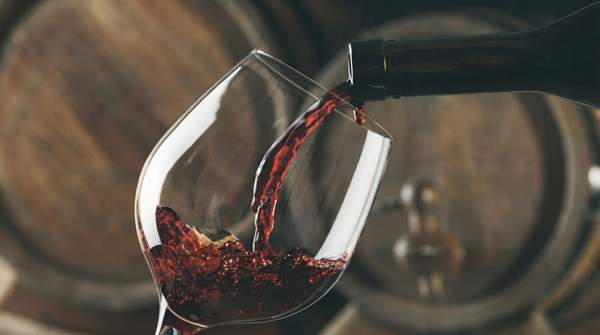
Natural and conventional wine begin with the same raw material—grapes—but follow two increasingly separate roads from vineyard to bottle. The natural approach is built on minimal intervention: wild yeasts, little or no fining and filtering, and a refusal of the synthetic pesticides, herbicides, and additives that conventional producers use to control pests, maximize yields, and keep flavor consistent year after year. Those choices are not cosmetic. They shape what ends up in your glass, from crystal clarity to deliberate cloudiness, from polished fruit to earthy, funky complexity.
The Philosophy Behind the Bottle: Natural vs. Conventional Wine
Neither "natural" nor "conventional" is a legally defined category; both describe generally accepted principles within the wine industry, and individual winemakers vary widely within each camp. But the philosophical split is real. Conventional winemaking, as Vinerra describes it, is often a science-driven exercise in which a brand determines a target taste profile and mass-produces a wine to match it—what that guide bluntly calls "designer wines." Natural winemakers invert the equation: they champion minimal intervention, letting fermentation unfold with wild yeasts and avoiding the long list of additives that define conventional production.
Crucially, "low intervention" does not mean low effort. As the Wine & Spirit Education Trust explains, because natural winemakers forgo additions and adjustments even when a growing season runs cooler, wetter, or warmer than expected, they must be exceptionally careful in the vineyard to ensure healthy, ripe, disease-free grapes—and they have fewer tools available if a fault begins to creep in. Many treat organic or biodynamic standards as a minimum baseline rather than an endpoint.