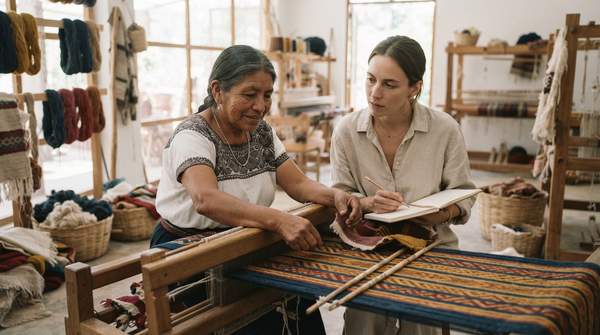
When a fashion brand says it "empowers artisans," the claim is easy to make and hard to verify. The difference between a genuine partnership and a marketing narrative usually comes down to specifics: named artisans, documented wages, disclosed factories, and evidence that traditional techniques are being sustained rather than borrowed. The good news is that you can assess most of this yourself, from publicly available information, using a structured set of questions across four dimensions—economic empowerment, cultural preservation, transparency, and environmental impact.
The stakes are real. A UN-partnered initiative focused on African textile crafts describes the payoff of authentic collaboration as economic growth and poverty alleviation for artisan communities, alongside the preservation of heritage techniques that might otherwise fade under pressure from modern industrial production. Academic work on sustainable fashion and cultural heritage makes the same point from the other direction: when brands honor traditional practices, they foster deeper connection to local communities and help endangered crafts survive—but when they don't, they risk cultural appropriation, commercialization, and the dilution of traditional knowledge. Your job as a shopper is to figure out which of those two relationships a brand actually has.