Harrisburg's Kipona Festival is celebrating its 110th year this Labor Day weekend, featuring everything from a Native American Pow Wow to fireworks, a robust return for local cultural events. The festival, scheduled from September 5-7, also includes a Multicultural Celebration and an Art in the Park showcase with over 70 artisans selling handcrafted merchandise, according to WGAL.
Many local cultural festivals are indeed back, boasting century-old traditions and diverse programming. Yet, the broader landscape of cultural engagement still relies on specific free access initiatives to ensure widespread participation, creating a two-tiered recovery for the arts.
While these local festivals show strong community resilience and cultural vibrancy, their long-term sustainability and broad accessibility will likely depend on continued local support and strategic partnerships.
Cultural Vibrancy: From Harrisburg to Houston
Beyond Harrisburg's Kipona, other cities confirm this cultural resurgence. Houston's First Saturday Arts Market, a free monthly showcase, holds its September edition on the 5th, according to Houstonia Magazine. The city also hosts the Việt Cultural Fest on September 12 at NRG Center, honoring Vietnamese legacy with activities like pickleball, chess, and traditional dress competitions. These events, ranging from large festivals to individual artist showcases, confirm a broader trend of community engagement.
The enduring success of multi-generational festivals like Kipona, now 110 years old, proves traditional community events blend deep cultural roots with diverse, modern attractions. Blending century-old traditions, such as a Native American Pow Wow, with modern attractions like a UPMC Family Fun Zone, Keystone Dock Dogs, and a beer and wine garden, these festivals are not just surviving but thriving. This diversification strategy engages broader audiences, ensuring relevance across generations.
Access & Economics: The Price of Culture
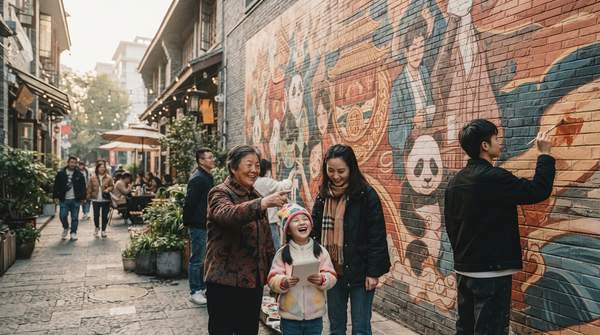
Ensuring widespread access remains a critical challenge. Corporate backing, like the Pennsylvania Housing Finance Agency sponsoring Kipona’s Sunday fireworks at 8:15 p.m. enhances large-scale attractions and boosts economic activity, as does the presence of over 70 artisans at Art in the Park selling handcrafted merchandise. Kipona’s Multicultural Celebration further democratizes access with free activities such as calligraphy lessons and Congolese hair braiding.