Just ten years after their peak, 2016's biggest style moments, including UGG boots and Y2K fashion, are already slated for a major revival in 2026, according to Elle India. The rapid re-emergence of recent styles signifies a significant compression of the traditional fashion trend cycle, demanding a much faster response from the industry. The speed at which these aesthetics return challenges long-held assumptions about cultural memory and the pacing of style.
Fashion trends are inherently cyclical, but the current revival of 2016 styles in 2026 indicates a significant compression of the traditional 20-year cycle. Traditional fashion theory posits a full generation must pass for true nostalgia, yet evidence now shows a mere decade suffices. This tension between established theory and current observation defines the modern fashion landscape.
The fashion industry is likely entering an era of accelerated nostalgia, where recent past trends are continuously re-edited and re-presented, blurring the lines between retro and contemporary. This dynamic forces brands and consumers alike to engage with recent nostalgia not through pure replication, but through a critical, self-aware reinterpretation that prioritizes curated style over chaotic imitation.
Not Your Older Sister's UGGs: The Reimagined 2016 Aesthetic
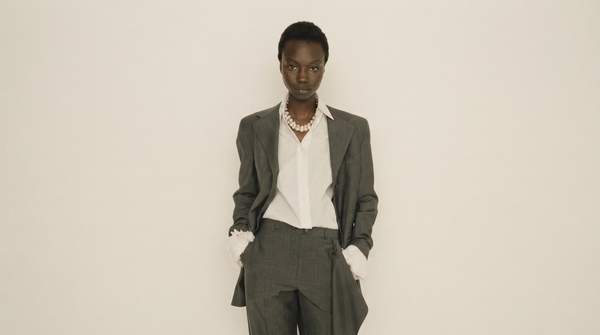
The 2026 revival of 2016 trends is not a simple rehash; it is a sophisticated reinterpretation. Modern styling for these trends is sharper and more intentional, influenced by evolving celebrity and street style culture, focusing on curated cool-girl energy rather than Tumblr-core chaos, as reported by Elle India. Today's consumers are not seeking authentic historical replication.
Specifically, the return of 2016 trends in 2026 involves cleaner silhouettes, smarter layering, and a more self-aware attitude, transforming familiar pieces into something distinctly new, according to Elle India. The evolution moves beyond passive adoption, emphasizing active transformation of familiar aesthetics. Consumers and designers collaboratively evolve familiar pieces into something distinctly new.
This shift suggests contemporary fashion is less about direct imitation and more about filtering past trends through a lens of refined curation and self-aware expression. Brands that offer mere replication will likely find themselves out of step with a discerning market. The market rewards those adept at re-contextualizing recent nostalgic aesthetics for a new generation.
The Forces Behind Fashion's Faster Forward Cycle
The halving of the traditional 20-year fashion cycle to just 10 years means 'nostalgia' in fashion no longer refers to distant history, but to the immediate past. The accelerated pace demands a much faster response from the industry. Social media platforms likely play a significant role in this compression, rapidly disseminating trends and fueling a constant demand for fresh content.
The constant visual input from platforms like Instagram and TikTok means styles from just a decade ago are already considered 'nostalgic' enough for a major revival in 2026. The constant visual input fundamentally collapses the traditional understanding of a fashion generation. Designers and consumers are pushed to continually re-evaluate recent history, blurring the lines between current and retro.
The rapid compression of the fashion cycle, as evidenced by Elle India's report of 2016 trends returning in 2026, means brands can no longer rely on slow-burn nostalgia. They must instead master rapid reinterpretation to stay relevant. A more agile approach to design and marketing is necessitated, adapting quickly to consumer preferences for refined nostalgia.
What This Means for Your Wardrobe and the Industry
The rapid compression of the fashion cycle means brands must prioritize rapid reinterpretation over slow-burn nostalgia.
- The shift from 'Tumblr-core chaos' to 'curated cool-girl energy' in 2026 revivals, according to Elle India, signals that consumers are demanding a more refined, self-aware form of nostalgia, punishing brands that offer mere replication.
The accelerated cycle suggests that consumers will increasingly encounter familiar aesthetics presented as novel, requiring a more discerning eye for quality and timelessness over fleeting trends. Brands must adapt their design and marketing strategies to cater to this nuanced demand for recent nostalgia. Success hinges on transforming familiar pieces into something distinctly new, rather than simply reproducing them.
The expectation of entirely novel fashion trends and rigid adherence to traditional, longer trend forecasting models are becoming less viable. Brands and designers adept at re-contextualizing recent nostalgic aesthetics for a new generation will likely see greater success. Conversely, those clinging to a 20-year cycle might miss crucial market shifts.
Navigating the New Era of Nostalgia
- The traditional 20-year fashion trend cycle has halved to approximately 10 years.
- Nostalgia now applies to styles from the immediate past, such as 2016 trends returning in 2026.
- Consumers seek 'curated cool-girl energy' and refined reinterpretations, not direct replication of past styles.
- Brands must master rapid reinterpretation to stay relevant in this accelerated cycle.
Ultimately, understanding this dynamic interplay between past and present empowers readers to make more informed style choices and appreciate the continuous evolution of fashion. The industry adapts by transforming familiar aesthetics into something distinctly new. By Q4 2026, major fashion houses will likely have solidified their strategies around this accelerated nostalgia, showcasing collections that blend recent history with contemporary sensibilities.