A writer successfully updated their entire mid-summer closet with eight fashion pieces from Amazon, each costing under $20, according to People. A comprehensive seasonal refresh was achieved without significant financial outlay, covering various tops, shorts, and a crossbody bag within a strict budget for summer 2026 trends.
Consumers actively seek highly affordable summer fashion, but the broader fashion narrative often emphasizes more expensive, investment-piece options. A tension is created between consumer demand for low-cost, trend-driven items and traditional industry promotion of high-value garments.
The demand for accessible, trend-driven summer fashion will continue to grow, forcing traditional retailers to either adapt their pricing or clearly differentiate their value proposition. Consumer expectations for seasonal style are redefined.
Premium vs. Accessible Summer Fashion
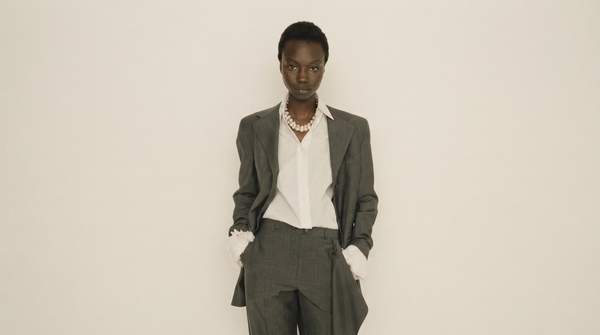
The fashion industry presents a bifurcated market for summer wear. On one end, premium options like the SuitSupply Milano suit, crafted in 100% wool with customization, or the lightweight, stretchy Uniqlo AirSense Suit, are featured by British GQ. Similarly, Hawes & Curtis and Abercrombie & Fitch offer pure linen double-breasted suits designed for hot days and vacation dates, as noted by British GQ. The focus on specific materials and tailoring suggests a consumer base prioritizing quality and occasion-specific wear.
The stark difference reveals consumers either prioritize extreme value and rapid trend adoption or invest in specialized, higher-quality garments for specific occasions and longevity. The ability to refresh a mid-summer wardrobe with multiple stylish pieces for under $20 each, as demonstrated by People, indicates a growing consumer segment where 'style' is decoupled from 'quality' or 'brand prestige,' especially for transient seasonal wear. A shift away from traditional fashion investments means distinct consumer values exist for ephemeral trends versus enduring luxury.
For summer 2026, budget-friendly trends include adaptable basics like breezy linen-blend shorts, cropped tank tops, and oversized button-downs. Consumers gravitate towards vibrant, single-color pieces that mix and match easily, extending wardrobe versatility without high costs. Strategic shopping, versatile layering with neutral core pieces, and inexpensive accessories further enable budget styling. Top affordable outfits often feature matching two-piece sets in lightweight fabrics, flowy maxi dresses, or wide-leg trousers with simple camisoles. Even a "cool-girl" aesthetic, involving oversized blazers and mini skirts, can be achieved affordably, according to Who What Wear. The prevalence of accessible, trend-driven items underscores a market where rapid seasonal updates are prioritized over investment pieces.