
Authorship
6 articles

Four Questions Every Artist and Collector Should Ask About AI-Generated Art
This article outlines four critical ethical questions artists and collectors must consider regarding AI-generated art: authorship, data sourcing and consent, bias, and intellectual property. It provides a practical evaluation framework to help navigate these complex issues before creating, buying, or exhibiting AI art.

Three Battlegrounds in AI Art Ethics: Copyright, Artist Livelihoods, and Cultural Bias
The ethics of AI-generated art are defined by three key conflicts: legal battles over copyright and authorship, economic concerns regarding human artists' livelihoods, and cultural issues surrounding bias and misrepresentation. This article dissects these battlegrounds and provides a framework for evaluating AI art systems.
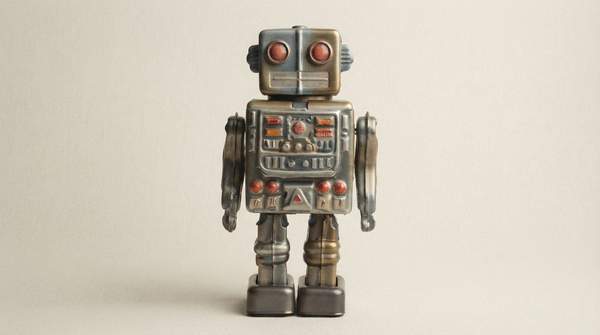
AI in the Art World: A Tool, an Analyst, and a Curator's Assistant
Artificial intelligence is transforming the art world by serving as a creative tool for artists, an analytical partner for researchers, and an assistant for curators. The article examines the capabilities and ethical challenges, including authorship and bias, that art institutions must navigate.

AI art faces human bias, redefines creativity
Artificial intelligence is now generating paintings, images, and sculptures.

AI creativity advances, sparking urgent ethics debates.
In 2016, a computer designed and a 3D printer created 'The Next Rembrandt', 351 years after the painter's death.

Our Creative Future Is Uncopyrightable, and AI Is Holding the Pen
Generative AI is reshaping industries, creating a profound legal ambiguity and a crisis of authorship for artists. The U.S. Copyright Office's refusal to grant full protection to AI-generated works poses a ticking time bomb for the creative economy.