A branded-residential project in Miami achieved a nearly 40% price premium per square foot by integrating wellness features. This signals a profound shift in luxury property valuation. The allure of a health-conscious lifestyle is now a tangible asset, commanding prices beyond traditional metrics. Developers monetize aspirational health, transforming it into a lucrative commodity. As Hotel Online reports, this project challenges assumptions about amenity costs, proving that intangible health benefits translate directly into property value.
This trend unfolds against contrasting realities: while individual, intensive wellness programs carry prohibitive costs for most, integrating wellness into luxury real estate generates substantial profit margins for developers. A week at Premier Fitness Camp, for instance, can cost approximately $6,000. These programs demand significant personal investment for direct health outcomes. Yet, developers monetize the concept of wellness, capturing premiums without delivering intensive interventions. They sell the promise of a curated, health-optimized existence, not just gym access.
The wellness economy is poised to further stratify access to health-promoting environments, creating a lucrative, exclusive market for those who can afford it. This stratification redefines amenities: no longer expenses, but powerful revenue drivers. For a select demographic, the perceived value of health-supporting environments far outweighs implementation costs. Affluent demand fuels further development, solidifying wellness as a premium differentiator in the 2026 real estate market.
The Price of Premium Well-being
- $6,000 — This is the approximate weekly all-inclusive price for an intensive wellness program at Premier Fitness Camp, according to Premierfitnesscamp. This figure covers comprehensive services, including personalized fitness training, nutritional guidance, and lodging, all aimed at delivering measurable health improvements.
- $450–$750 — Guests at the Pritikin Longevity Center can expect to pay between $450 and $750 per night for their programs, also detailed by premierfitnesscamp.com. These rates reflect a high-touch, medically supervised approach to health, emphasizing direct intervention and expert guidance for participants seeking significant lifestyle changes.
These figures reveal the substantial financial commitment for high-impact wellness interventions. They establish the exclusivity of intensive, outcome-focused health pursuits. These costs are prohibitive for most, demarcating those who can afford direct health management from those who cannot. This barrier highlights the tension: accessible wellness versus the high-end market's capitalization on health aspirations. Such programs prove a willingness to pay for tangible health outcomes. Luxury real estate developers now leverage this sentiment, offering integrated wellness environments at a significant premium.
Wellness as a Real Estate Multiplier
| Aspect of Property Value | Traditional View (Pre-Wellness Integration) | Wellness-Integrated View (2026) |
|---|---|---|
| Amenity Classification | Cost center; market differentiator; optional perk | Revenue generator; core value driver; essential lifestyle component |
| Impact on Worth | Adds appeal; minimal direct increase in property valuation | Increases building's worth by up to 40%; drives premium pricing and accelerated sales |
| Market Perception | Discretionary luxury; optional feature for a niche market | Essential lifestyle component; aspirational health asset for mainstream luxury buyers |
| Developer ROI Focus | Cost containment; competitive amenity matching | Profit maximization; value creation through perceived well-being |
Footnote: Data based on market analysis and industry observations, including insights from Construction Week Online and Hotel Online.
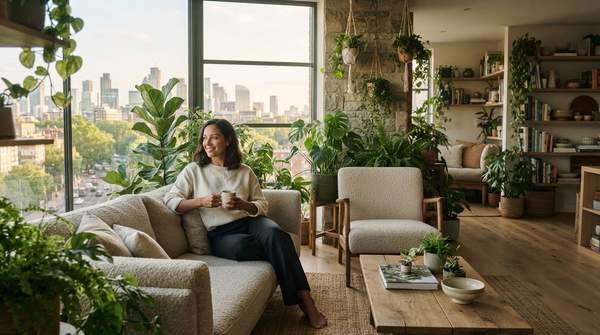
Wellness integration transcends amenity status; it is a strategic investment that demonstrably enhances property valuation and market desirability in luxury segments. Developers now view features like advanced air purification, biophilic design, or meditation spaces as direct contributors to capital appreciation, not overhead. As Hotel Online notes, this understanding — that wellness increases worth, rather than being a cost — marks a significant industry shift. This transformation allows developers to command higher prices, monetizing the desire for a healthier life in their 2026 offerings. Wellness is now a fundamental pillar of luxury property value, not just a differentiator.
Dubai's Vision for a Wellness-Driven Future
Dubai, with ambitious development goals, is poised to lead the global luxury real estate market's next phase. This is driven by a clear understanding that wellness differentiates properties in a competitive international landscape. Affluent buyers seek health-supporting environments, turning these desires into tangible market demand. As Construction Week Online notes, forward-thinking regions like Dubai are actively embracing this trend, reshaping the luxury real estate market. Their strategic focus on integrating health into urban planning and architectural design attracts discerning international investors. This elevates properties beyond residences, establishing them as lifestyle hubs promising luxury and vitality. Dubai's proactive stance — incorporating green spaces, state-of-the-art fitness, and personalized health services — captures a growing segment of the global elite. New developments prioritize quality of life and aspirational health benefits, making them attractive investments in 2026 and beyond.
Market forces include an aging, wealthier global population, heightened post-pandemic health awareness, and a desire for convenient wellness. These factors converge, creating robust demand for integrated living where health is foundational. Developers in regions like Dubai respond by creating entire communities around these principles, commanding premiums and setting new luxury benchmarks.
The Broader Implications of a Wellness Premium
- Premier Fitness Camp reports that 94% of weight loss achieved by participants is fat, with an average of 3–4 pounds lost weekly, according to premierfitnesscamp.com. Such specific, measurable outcomes underscore the efficacy that can be achieved through dedicated, intensive wellness interventions.
This evidence of measurable health outcomes explains why consumers pay significant sums. Luxury real estate sells the perception of wellness, promising a healthy lifestyle through design. Yet, programs delivering concrete results reinforce this value proposition. This creates a feedback loop: intensive wellness legitimizes aspirational features in luxury properties, driving demand and premium valuations. The market taps into a deep-seated human desire for longevity and vitality, a desire with a proven, high price tag in its most direct forms.
Implications extend beyond property values, touching societal equity. As wellness integrates into luxury living, access to health-optimizing environments becomes a privilege. This widens health disparities: those who afford premium spaces gain built-in health advantages, others navigate less supportive environments. By 2026, a "healthy home" could mark socioeconomic status, embedding wellness into luxury consumption rather than universal public health.
By Q4 2026, if current trends persist, luxury real estate developers will likely further embed sophisticated wellness features into new projects, solidifying their role as profit drivers in a market increasingly valuing aspirational health.