Singapore, ranked sixth among the world's 'Blue Zones' as of 2023, presents a curious paradox: its most ambitious public wellness attraction, Therme Singapore, won't open until 2030, according to the Global Wellness Institute. This eight-year gap separates the city-state's inherent well-being environment from its future, purpose-built infrastructure. While the upcoming Therme promises thermal pools, saunas, and water slides for broad public appeal, the nation's current wellness landscape is dominated by exclusive luxury. Raffles Hotels and Resorts, for instance, already offers its new holistic wellbeing concept, Retreat by Raffles, as reported by Globetrender. Singapore clearly positions itself as a global wellness leader, but its strategy unfolds in two distinct tiers: immediate, high-end experiences for a discerning clientele, and a future vision of expansive, accessible wellness for the masses. This dual evolution suggests a calculated play for both prestige and widespread influence.
1. Curated Luxury Spa Experiences
Singapore's luxury hotels craft exclusive, immersive spa treatments for a sophisticated market, prioritizing deep relaxation and rejuvenation.
1. Auriga Spa at Capella Singapore
Best for: Discerning individuals seeking a comprehensive, nature-integrated wellness journey on Sentosa Island.
Auriga Spa at Capella Singapore, a Forbes Travel Guide Five-Star recipient, offers a Wellness Discovery Day Pass that includes a 90-minute Intuitive Wellness Massage, as detailed by Capella Hotels. Its 12-foot ceilings on Sentosa Island cultivate an immediate sense of expansive tranquility, justifying its premium positioning for those seeking a comprehensive, nature-integrated journey.
2. The Ritz-Carlton Spa, Singapore
Best for: Guests prioritizing advanced skincare and a half-day immersive luxury experience.
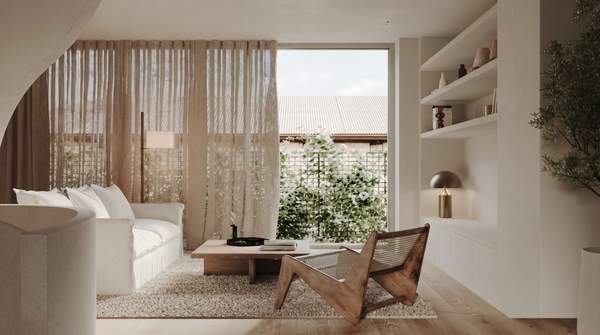
The Ritz-Carlton Spa, Singapore, pioneers advanced skincare as the first luxury spa in Southeast Asia to feature EPICUTIS® products. Its Half-Day Luxury Spa Experience, noted by The Ritz-Carlton, caters to guests prioritizing immersive, innovative treatments within an established luxury brand.
3. The Fullerton Spa
Best for: Urban dwellers seeking a refined spa experience within a historic hotel setting.
Within the historic Fullerton Hotel Singapore, The Fullerton Spa offers a refined urban escape. Its Mezzanine floor houses private single and couple suites, complete with en suite showers and individual relaxation lounges, as detailed by The Fullerton Hotels. Treatments, co-curated with ESPA, elevate the experience, blending heritage with contemporary wellness.
4. Retreat by Raffles
Best for: Travelers looking for a holistic wellbeing concept that integrates culture and conscious cuisine.
Retreat by Raffles, a holistic luxury wellbeing concept, extends beyond traditional spa services. It integrates nature, local culture, and conscious cuisine, available in Singapore and Bali, as reported by Globetrender. This broader approach positions Raffles to capture a market seeking comprehensive lifestyle enrichment, not just isolated treatments.
2. Operational Details and Value-Added Perks
Singapore's premium wellness offerings are defined by their comprehensive nature and indulgent extras. These details reveal the commitment to an elevated luxury experience, where convenience and added value are paramount.
| Spa/Concept | Operating Hours | Key Features | Value-Added Perks |
|---|---|---|---|
| Auriga Spa at Capella Singapore | Not specified | 90-minute Intuitive Wellness Massage | 20% off total food and beverage bill |
| The Ritz-Carlton Spa, Singapore | 9:00 AM to 9:00 PM daily | Half-Day Luxury Spa Experience; EPICUTIS® skincare | Not specified |
| The Fullerton Spa | 10:00 a.m. to 10:00 p.m. daily | Single and couple suites; ESPA co-curated treatments | Not specified |
| Retreat by Raffles | Not specified | Holistic luxury wellbeing concept | Not specified |
3. Singapore's Regional Wellness Influence
Singaporean luxury wellness concepts, exemplified by Raffles' expansion into Bali, project the city-state's growing influence across Southeast Asia's high-end wellbeing sector. Singapore's strategic outward movement by brands solidifies its role as a regional hub for sophisticated health and relaxation, extending its curated approach beyond its own shores. The implication is clear: Singapore aims not just to serve its own elite, but to export its refined wellness paradigm, potentially shaping regional standards for luxury and holistic care.
The regional ambition is further bolstered by the anticipation of Therme Singapore. While a domestic project, its scale and public accessibility could establish a new benchmark for wellness infrastructure across Asia. Should Therme succeed in its broad appeal, it could inspire similar large-scale public wellness initiatives in neighboring countries, effectively exporting Singapore's vision for accessible, comprehensive well-being. Singapore is positioned not just as a provider, but as an innovator and potential blueprint for the region's evolving wellness landscape.
If Singapore successfully bridges its current luxury wellness offerings with the future, expansive appeal of Therme Singapore, it will likely cement its status as a multifaceted global wellness leader by 2030.