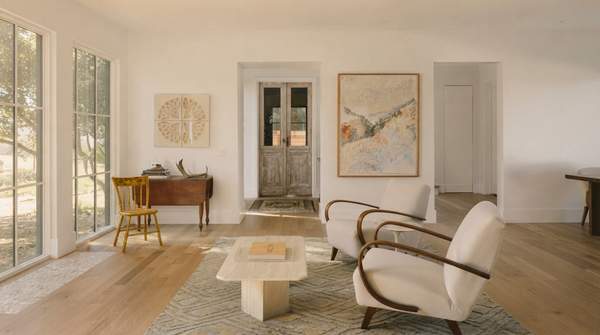
For urban dwellers navigating the constraints of limited square footage, minimalist design offers a powerful approach to transform small living spaces into environments that are both highly functional and aesthetically pleasing. This design philosophy moves beyond mere aesthetics, focusing on clarity, utility, and the essential elements to create a sense of openness and tranquility. By embracing core minimalist principles, it is possible to maximize every inch of an urban home, fostering a calm and organized atmosphere amidst the complexities of city life.
This guide provides a practical understanding of how foundational minimalist design principles can be applied to small urban living spaces. It includes a decision framework to help evaluate furniture and decor choices, ensuring that every item contributes to a cohesive, efficient, and visually appealing home.
The Essence of Minimalist Design for Urban Living
Minimalist design is a conscious approach that prioritizes functionality, clarity, and a focus on essential elements, rather than simply stripping away ornamentation or adhering to a specific color palette. This philosophy, which emerged in the mid-20th century, operates on the idea that "less is more," aiming to reveal the core essence of form and function by removing unnecessary elements. The result is not only aesthetically pleasing but also promotes a harmonious and efficient lifestyle, according to insights from gurumuda.net.
In urban settings, where cities are becoming denser and land is increasingly valuable, minimalist design is a natural fit. It provides architects and designers with methods to make the most of every square foot while maintaining visual appeal. By emphasizing the efficient use of space and focusing on what is essential, minimalist principles help create environments that encourage both productivity and relaxation, offering an antidote to the overwhelming stimuli often found in modern urban life. This approach can influence everything from residential buildings to public spaces, shaping how we experience cities, as noted by meer.com.
The evolution of minimalist architecture has profoundly impacted urban spaces, providing cities with functional, aesthetically pleasing designs that prioritize simplicity, efficiency, and sustainability. As this design movement continues to evolve, it is expected to play a crucial role in creating urban environments that balance the demands of modern life with a desire for calm, clarity, and a deep connection to the essentials, according to meer.com.